|
|
|
|
|
|
|
|
|
|
|
||||||||
|
||||||||||||||||||
|
Email us at: |
||||||||||||||||||
 |
||||||||||||||||||
 |
 |
|||||||||||||||||
|
Click the sun to see the |
||||||||||||||||||


 |
||||||||||||
|
|
|
|
|
|
|
||||||
|
||||||||||||
|
||||||||||||
|
||||||||||||
|
Our guide for the day was this page from Rick Steves book.
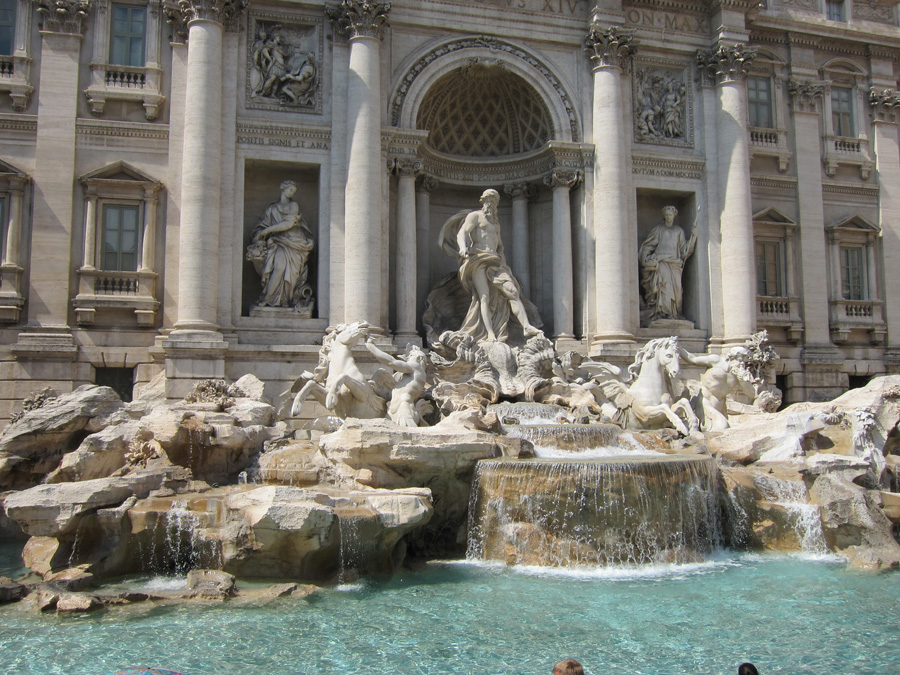
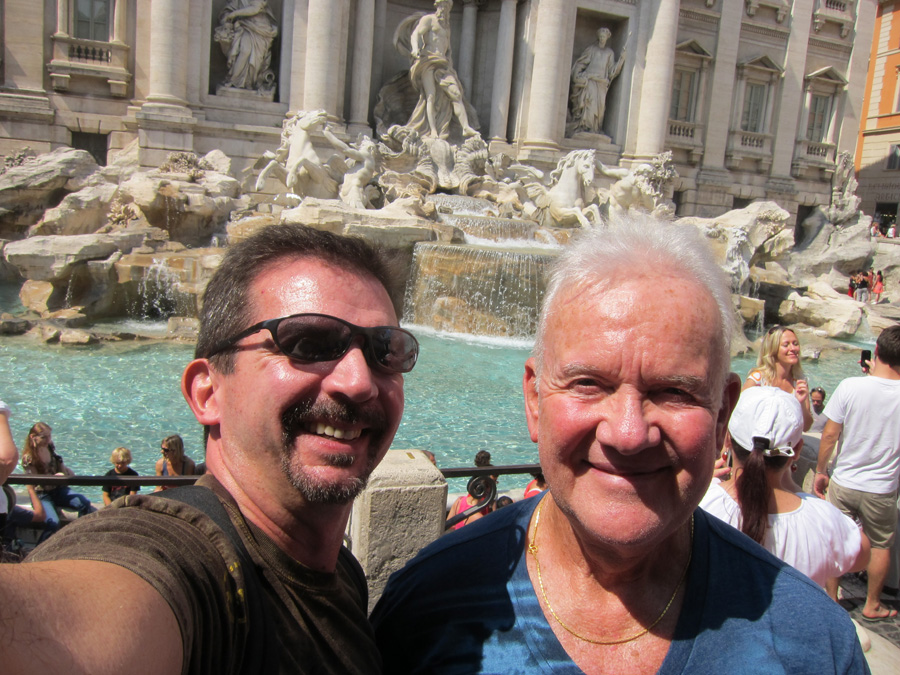
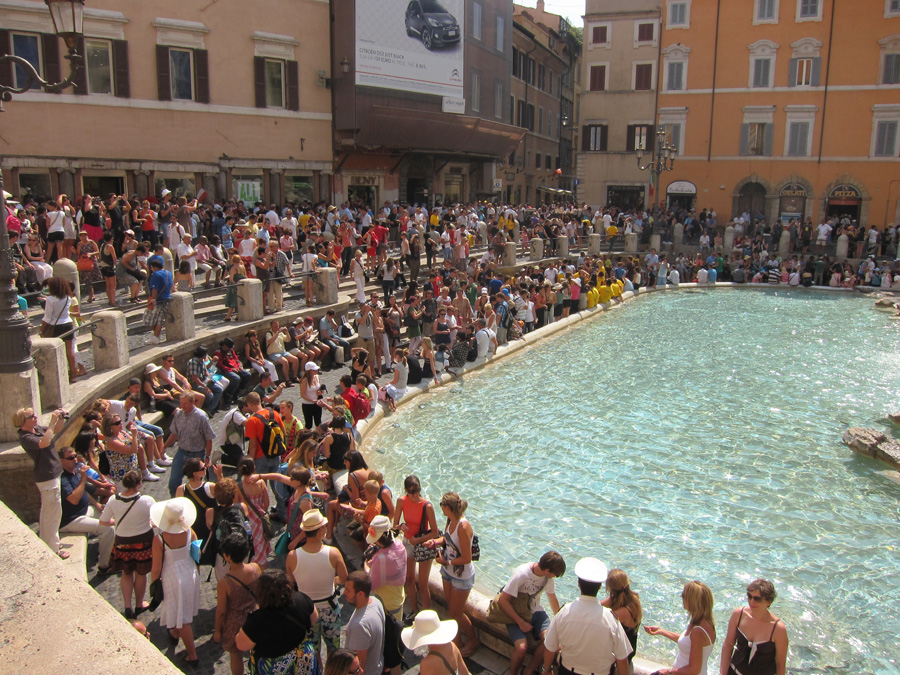
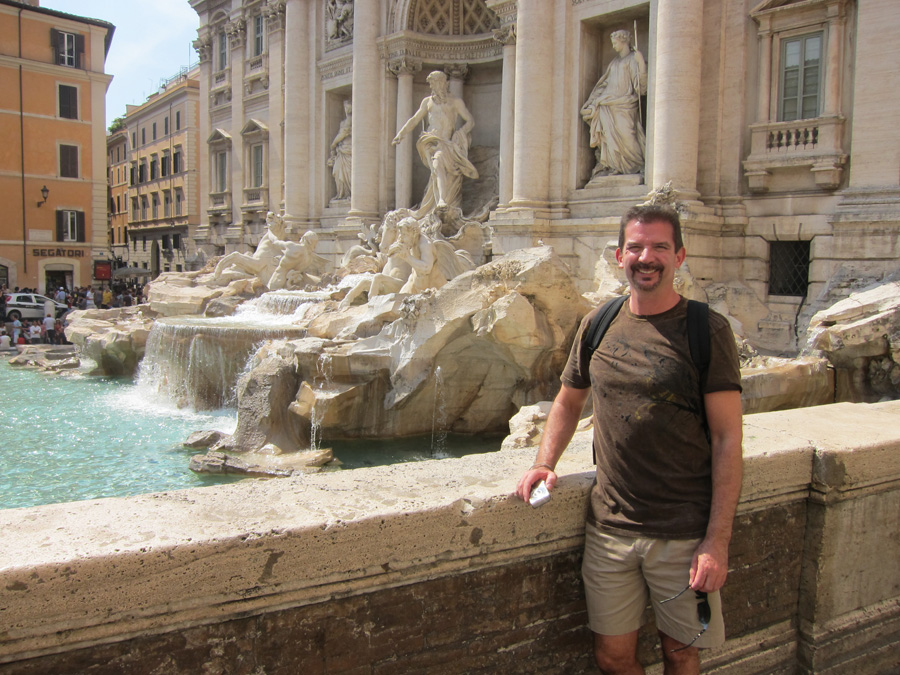
You can see where our walk started, at Campo de' Fiori, and took us through some very interesting neighborhoods, to the Pantheon then Trevi Fountain, and from there on to the termination point at the Spanish Steps. But before we leave Trevi, we took a number of photos there that I'd like to share.
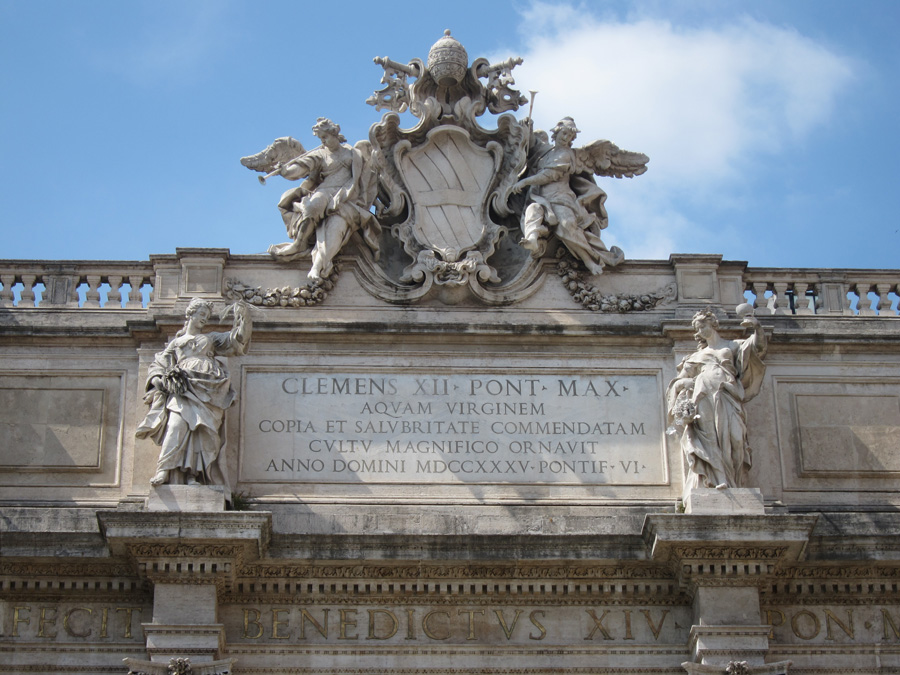
As the saying goes, "Rome was not built in a day", and so it is with the Trevi Fountain. It was commissioned in 1453 by Pope Nicholas V. In 1629 Pope Urban VIII consulted Gian Lorenzo Bernini, a prominent Italian sculptor and architect we are all familiar with by now. The Trevi Fountain that stands in Trevi Square today was designed by Roman Architect Nicola Salvi. Building began in 1732 and concluded three decades later. Before his death in 1751, Salvi chose the young artist Giuseppe Pannini as his successor. The fountain that stands today has work expressed in the original sketches from Bernini, Salvi and Pannini. Tossing a coin into Trevi Fountain, according to legend, will guarantee a return trip to Rome. The fountain is swept daily, and the money is donated to Canitas, an Italian charity. In 2006, BBC News reported that an estimated 3,000 euros was collected each night.
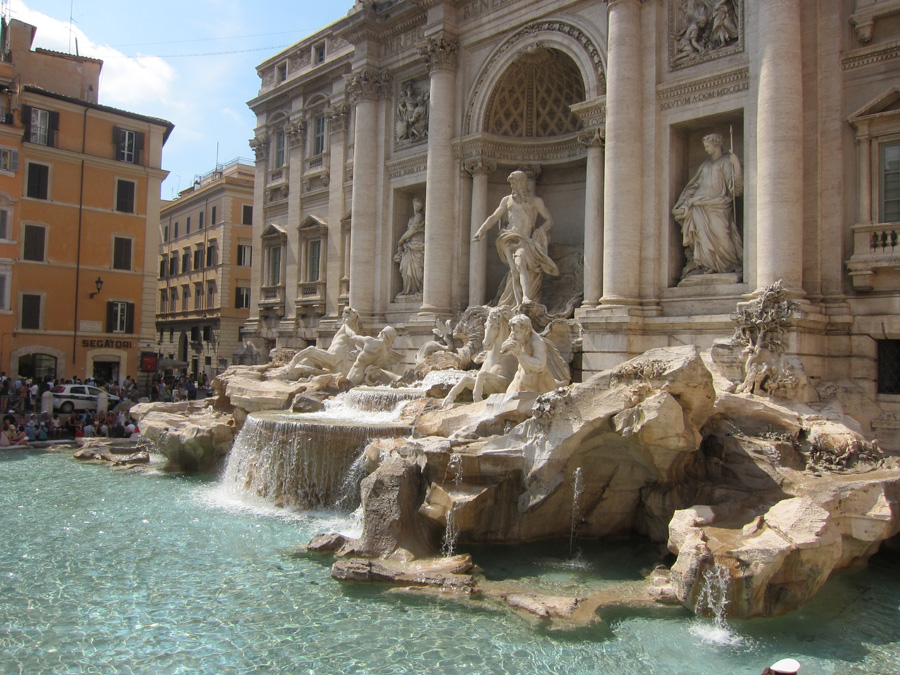
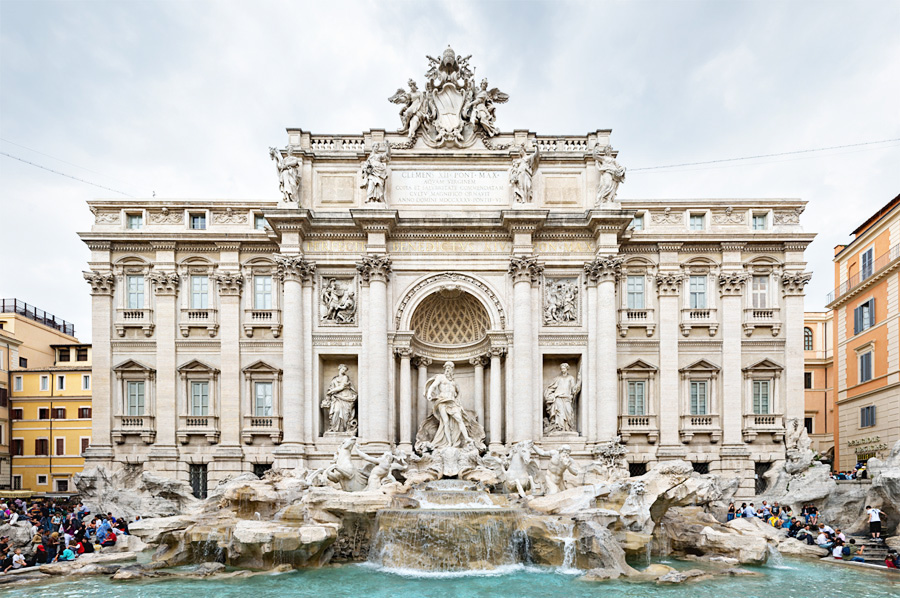
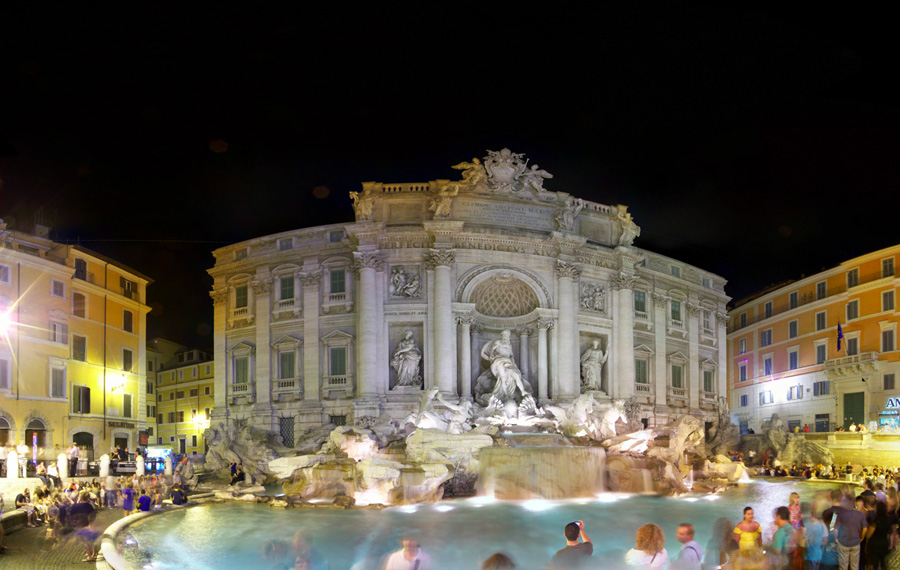
Think about it, Rome goes back more than 2,000 years. China goes back more than 4,000 years. We know what is being uncovered today in both of those places. The United states goes back a mere 200 years. It just stands to reason that 2,000 or 4,000 years from now, the people living far in our future will undoubtedly be digging up long forgotten cultures that we are actually experiencing today. I will never forget Pete's reaction to a room we visited in the Smithsonian several years ago, which was representative of a home in the 60s. It was like going into his bedroom when he was a kid, with the lava lamp and the 8 track player, among other things. He simply couldn't believe that his life was already in a museum. Over time, things do change, and that change is by no means linear. Change is geometrical. It is sometimes scary to think about what we will have available to us in just 10 years time, when you think about what has come into being in only the last 10 years. I mean, iPhone 4 ??? Do you recall what a cell phone looked like 10 years ago, and what it was capable of doing? Like, you could talk into it, and you could hear someone talking back, and THAT WAS IT! Well, I've gotten slightly off the track here. Back to the Trevi Fountain. These next two photos are not ours, but I thought they were worth including.
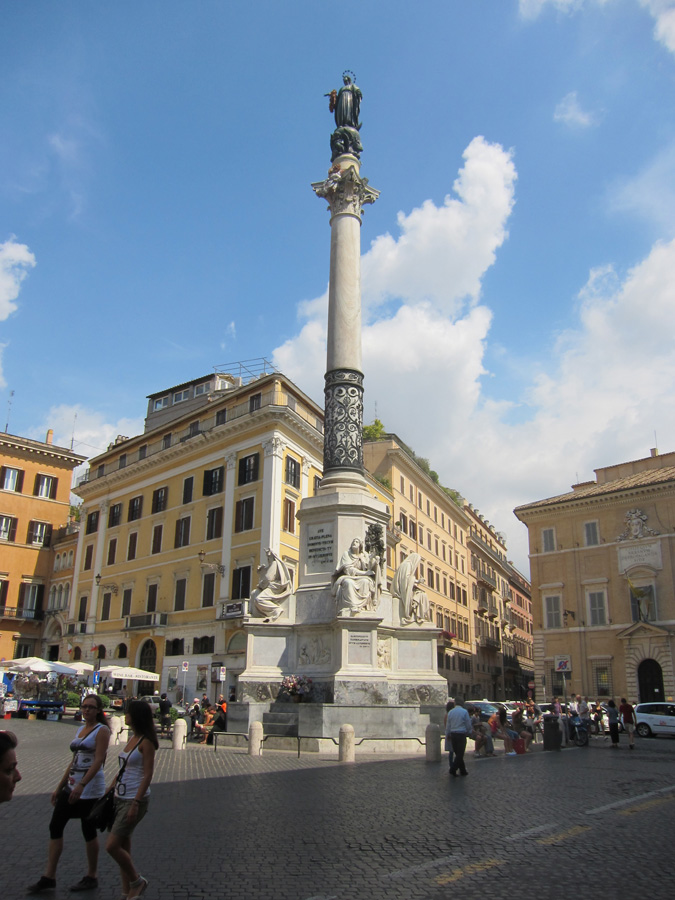
In this one, the photographer found the perfect location to capture the scale and symmetry of this magnificent fountain. On our way to the Spanish steps we pass through Piazza Mignanelli. Every year on the 8th of December the Pope (and thousands of Catholics with him) visits Piazza Mignanelli, in order to celebrate the Immaculate Conception, symbolized by the statue of the Madonna on the pillar in the middle of the piazza.
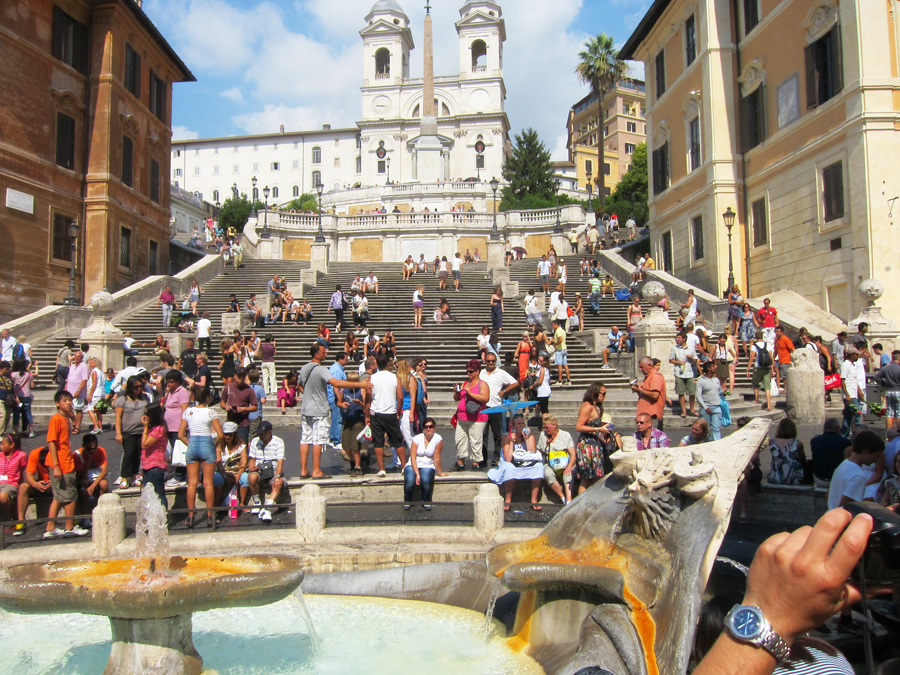
At last we arrive at the Spanish Steps. We had no desire to climb the 138 steps which ascend the steep slope between On the 20th of March, 1986, the first McDonalds restaurant in Italy was opened near the Spanish Steps. Protests there against fast food led to Carlo Petrini founding the international Slow Food movement three years later.
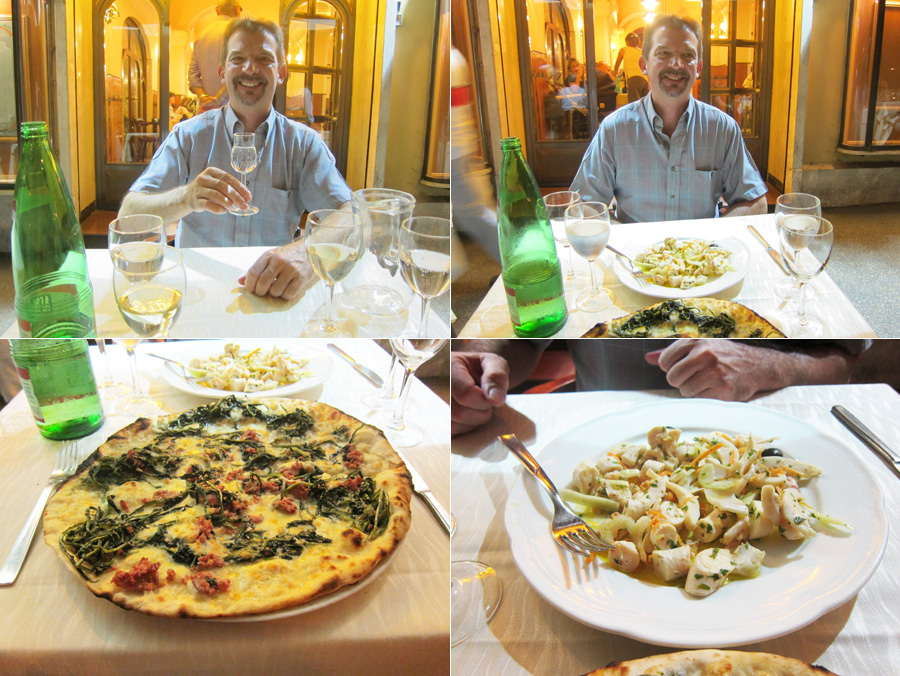
That night for dinner Pete got his glass of Grappa, and we enjoyed a pizza and a delicious heart of palm salad. And so concludes our fourth day in Rome. One more day to go, and this time we will visit the National Museum of Rome, and on the way there, since we walk right past the Termini Train Station, we will purchase our tickets for the trip on the following morning, a 1 hour and 45 minute train ride to Civitivecchia on the coast where we will board the Celebrity Silhouette on August 1st for our 10 day cruise around the Mediterranean. I'm starting to look forward to just relaxing on board a luxury cruise ship. Walking all over Rome for the past 4 days has really worn me out. I think it has a lot to do with the cobblestone streets. They are really hard on your feet. |
||||||||||||
|
||||||||||||
|
||||||||||||
|
||||||||||||