|
|
|
|
|
|
|
|
|
|
|
||||||||
|
||||||||||||||||||
|
Email us at: |
||||||||||||||||||
 |
||||||||||||||||||
 |
 |
|||||||||||||||||
|
Click the sun to see the |
||||||||||||||||||


 |
||||||||||
|
|
|
|
|
||||||
|
||||||||||
|
||||||||||
|
||||||||||
|
On our second day in Rome we spent half the day at the Colosseum, and then crossed the plaza to visit the Palatine Hill. On our previous visit to Rome we actually skipped the Palatine Hill, and I didn't realize then just how much we had missed.
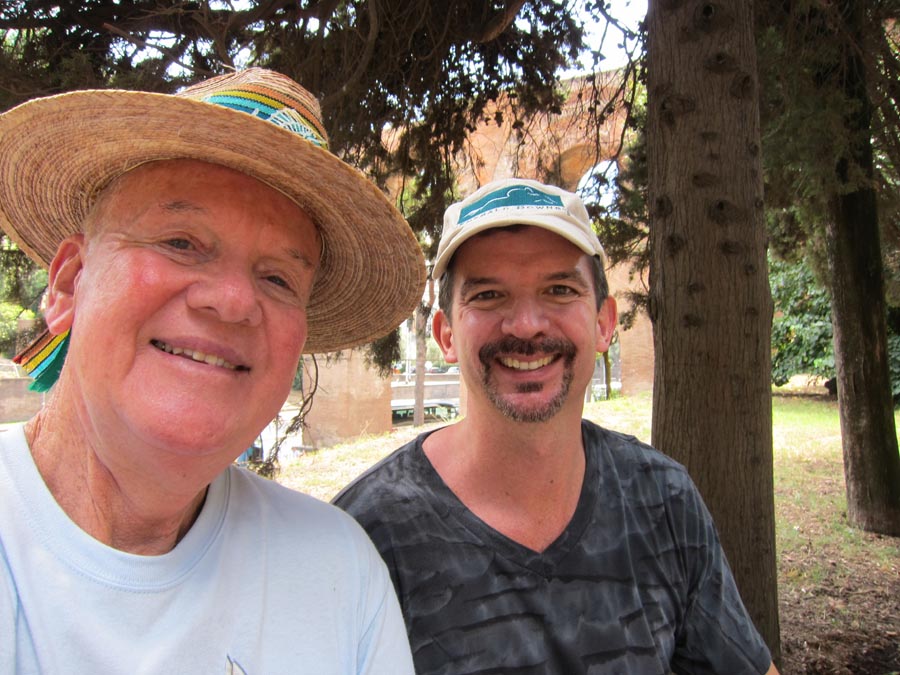
Here we are just resting before attempting the climb up the Palatine Hill. There are a lot of steps to climb.
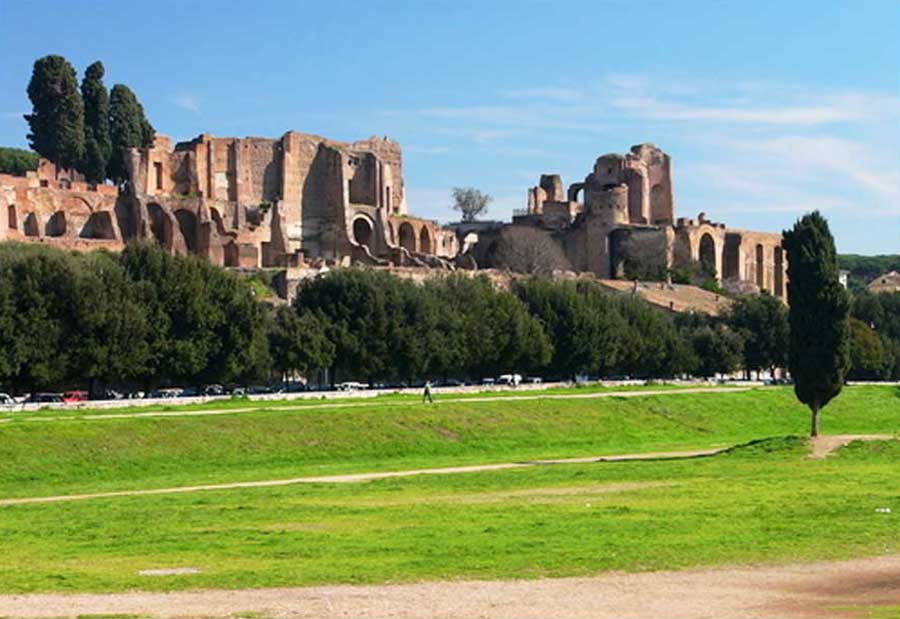
The Palatine Hill is one of the seven hills in Rome and probably the most famous. This is where the rich and famous ancient Romans used to live. Emperor Augustus was born on Palatine Hill and lived there all his life. Cicero - the great orator lived there as well as Marcus Antonius (Mark Anthony). Later emperors Tiberius, Caligula and Domitian build palaces there. Most of the ruins that we see today are from the Domitian's palace.
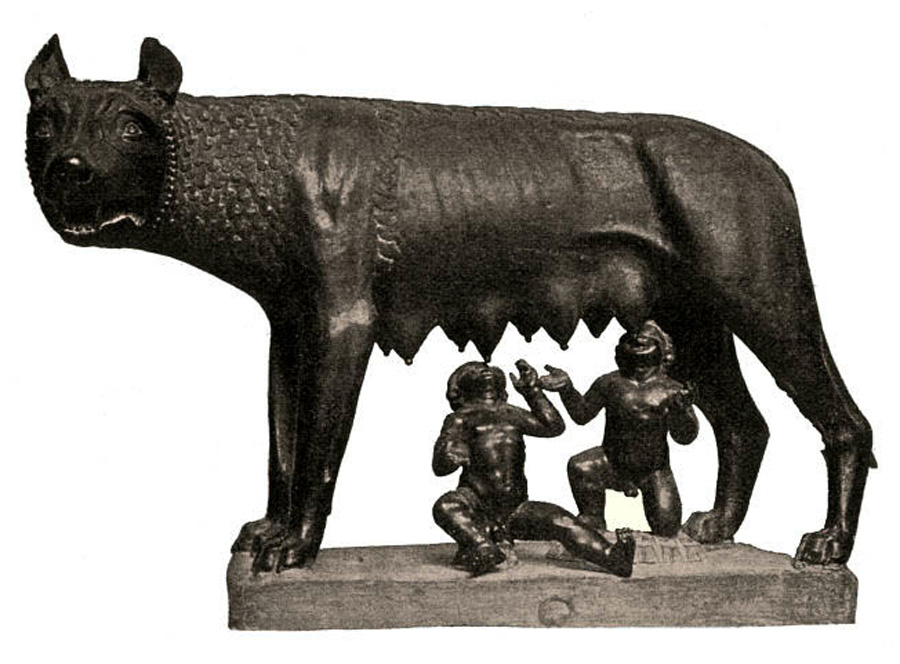
According to Roman Mythology, the Palatine Hill was the location of the cave, known as the Lupercal, where Romulus and Remus were found by the she-wolf that kept them alive.
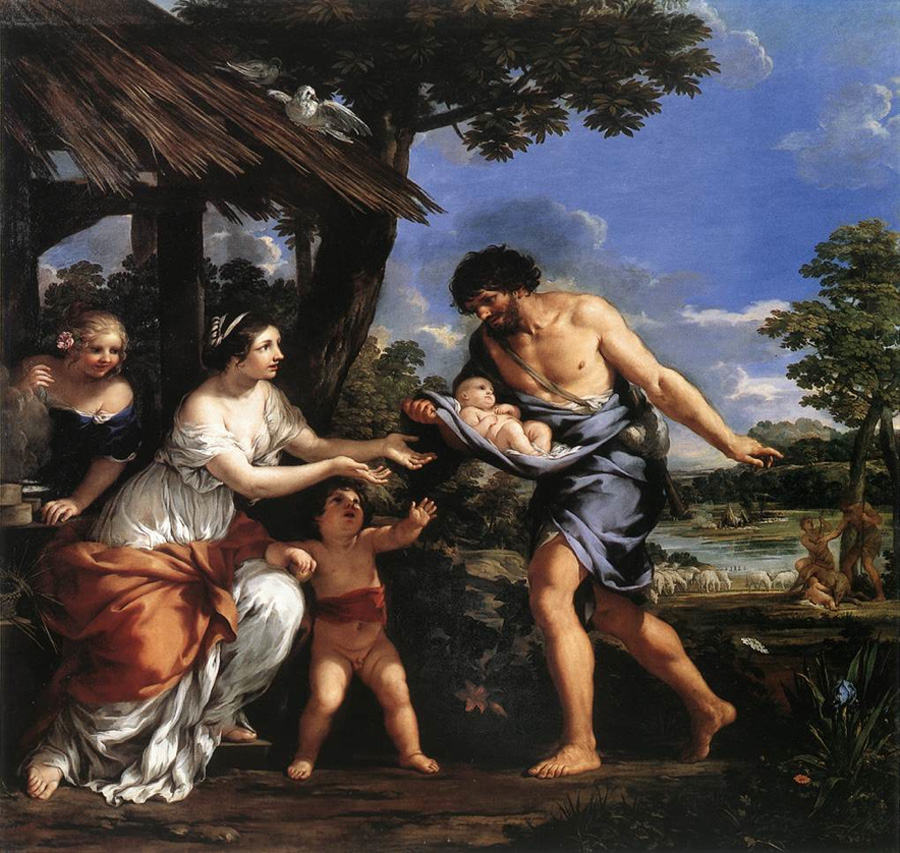
An oil painting depicting Faustulus rescuing Romulus and Remus from the cave and presenting them to his wife. According to this legend, the shepherd Faustulus found the infants, and with his wife Acca Larentia raised the children. When they were older, the boys killed their great-uncle (who seized the throne from their grandfather), and they both decided to build a new city of their own on the banks of the River Tiber. Suddenly, they had a violent argument with each other and in the end Romulus killed his twin brother Remus. This is how "Rome" got its name — from Romulus.
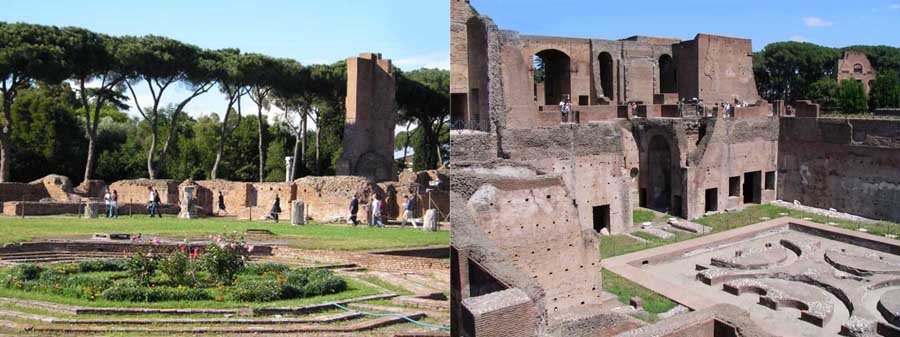
Domus Flavia Domus Augustana Domus Flavia and Domus Augustana (the two wings of the Domitian's palace) are among the best preserved ruins on Palatine Hill. Domitian's palace was begun in AD 81 and completed in AD 92. The Domus Flavia was the official wing and the Domus Augustana was the private residence. This palace was the official Imperial palace for 300 years. The Palace of Septimius Severus was an extension of the Domus Augustana.
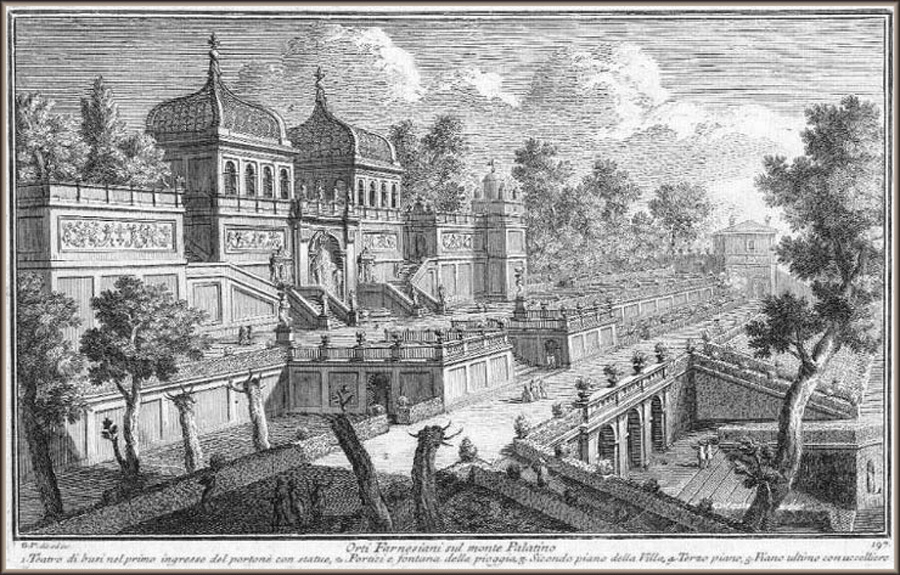
This is a 1761 engraving showing the Farnese Gardens on Palatine Hill at that time. The Farnese Gardens were created in 1550 on the northern portion of Palatine Hill, by Cardinal Alessandro Farnese. They were the first private botanical gardens in Europe. Alessandro Farnese was appointed Cardinal Deacon of the Roman Catholic Church in 1534 at the age of 14, by Paul III, his grandfather, who had been elected to the papacy two months previously.
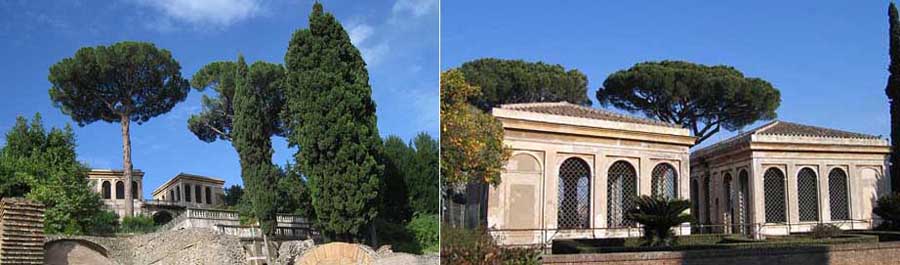
Today you can see the Aviaries (front and rear views) that still remain from the Farnese Gardens
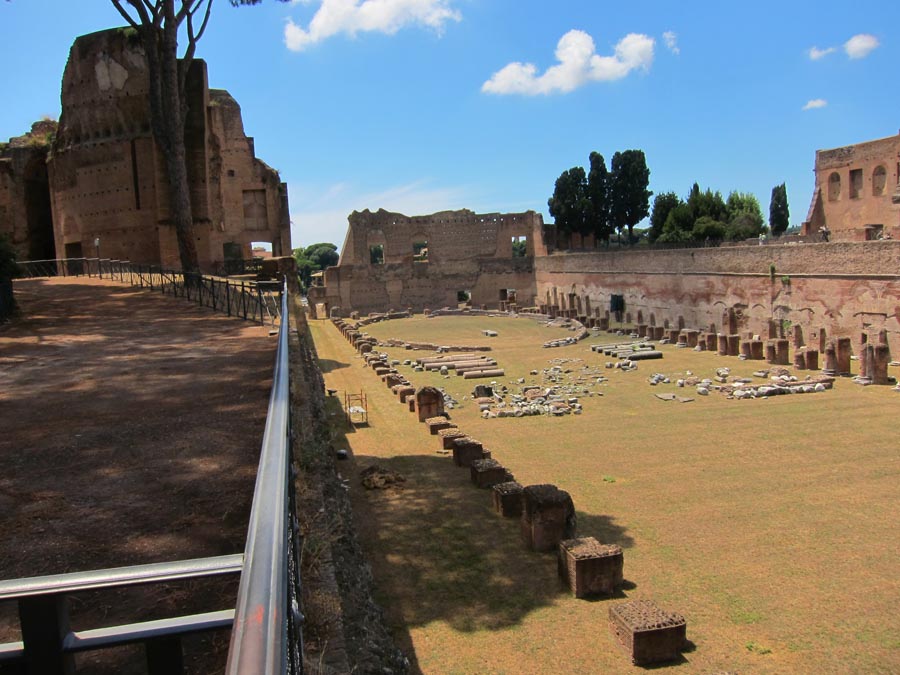
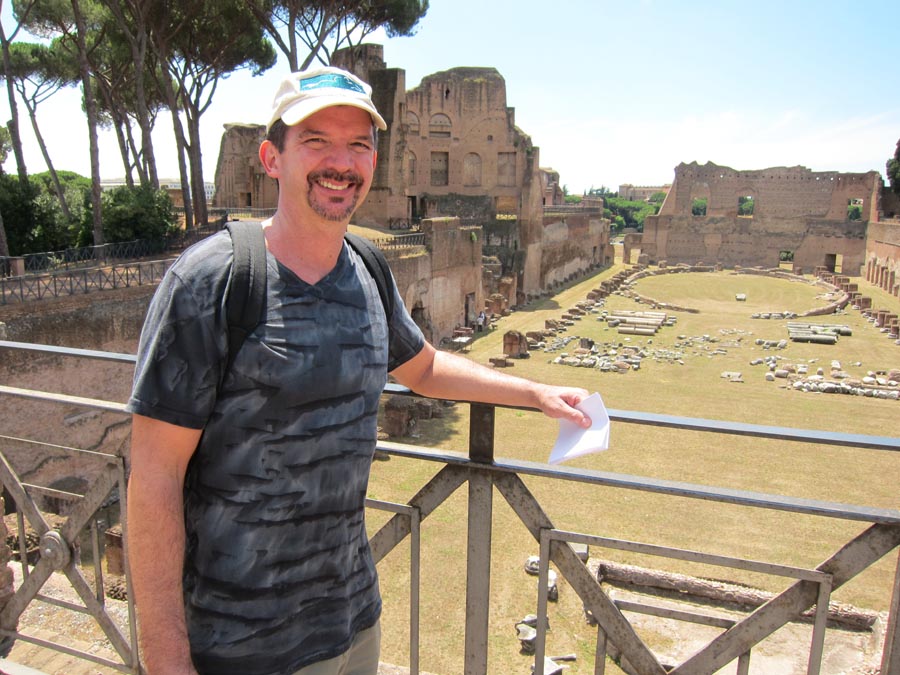
A stadium, which was part of the Domitian palace, but it is not known if it was a public or a private stadium. This stadium was the first thing Pete and I saw as we arrived on top of the hill.
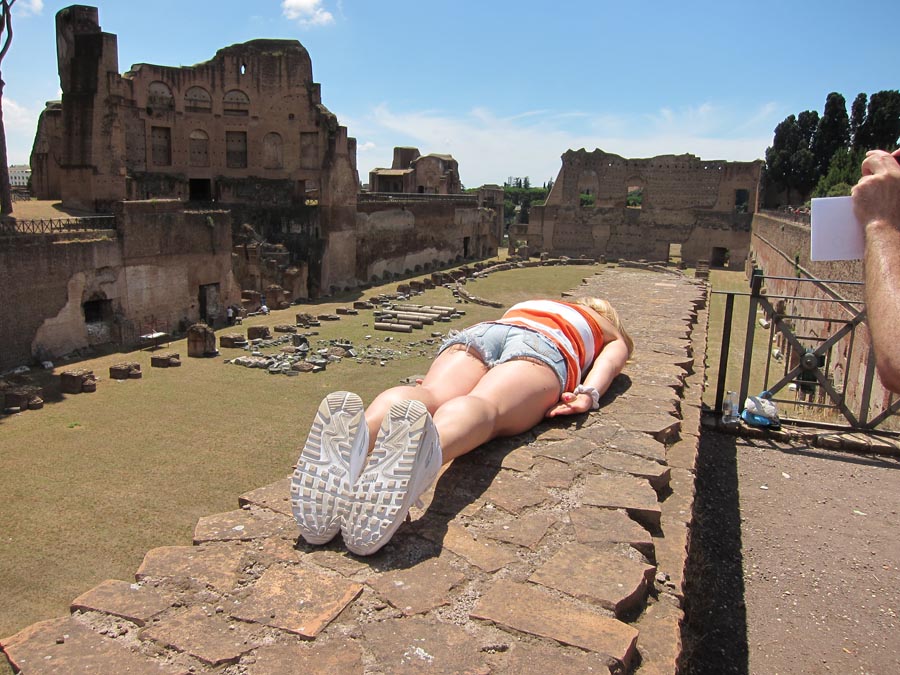
We met this girl here, who asked us if we would do her a favor. She wanted us to take a photo of her using her camera, while she engaged in "planking". Yeah, that was my first thought as well, engaged in WHAT? So while Pete was trying to satisfy her (in a photographical vein), I took my own picture of her "planking".
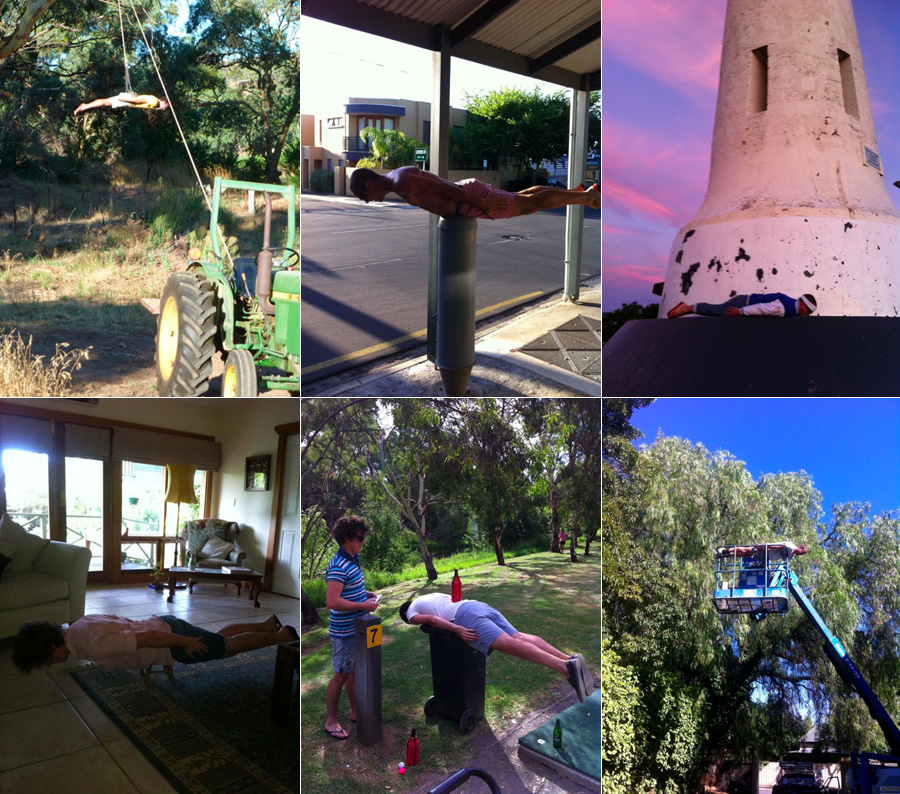
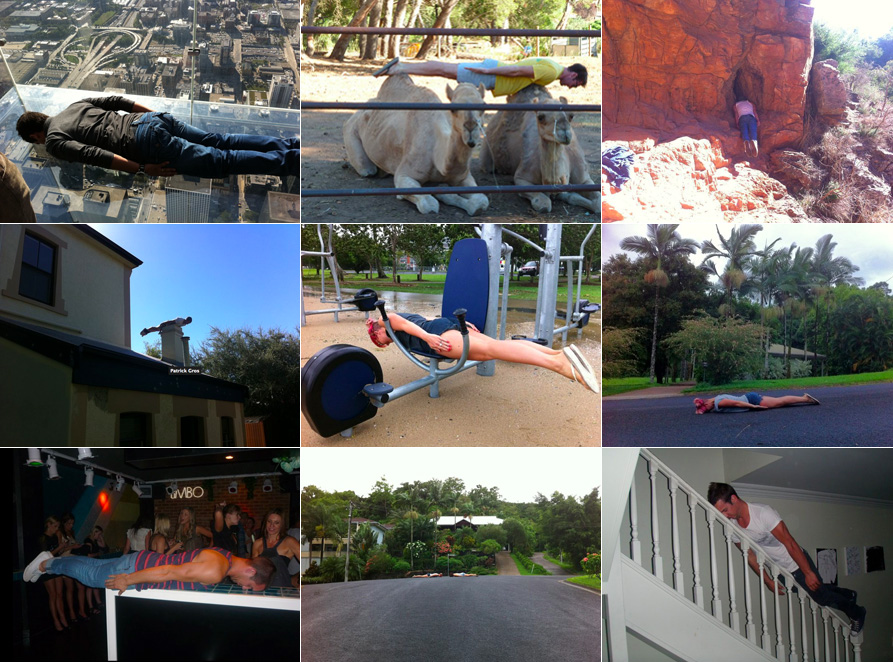
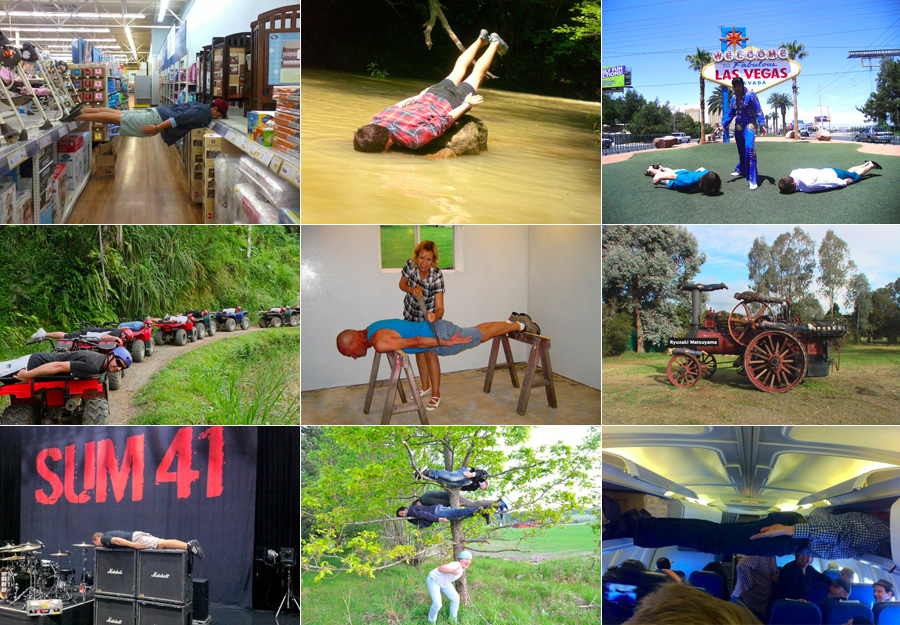
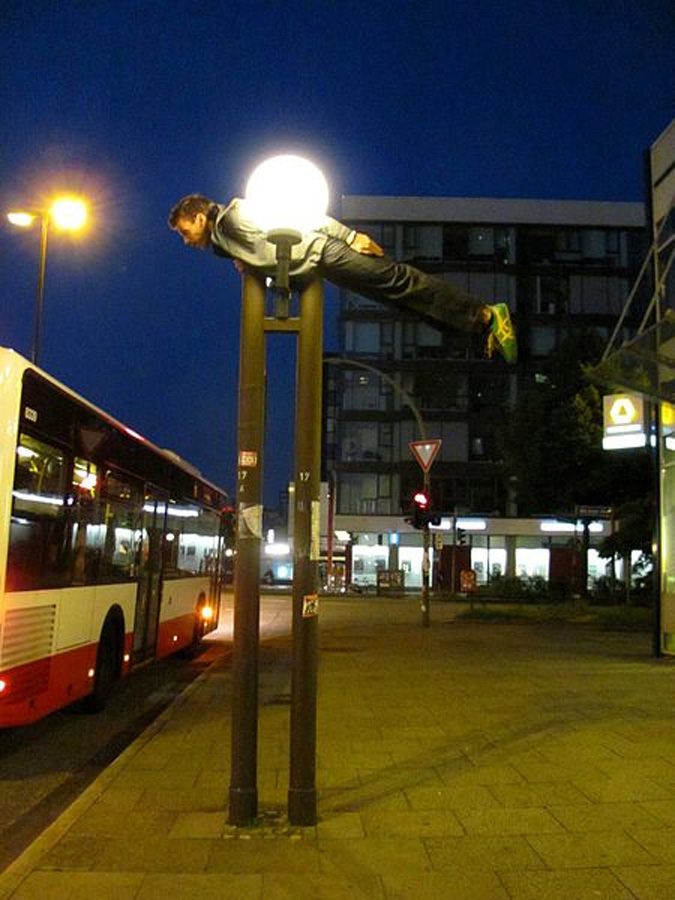
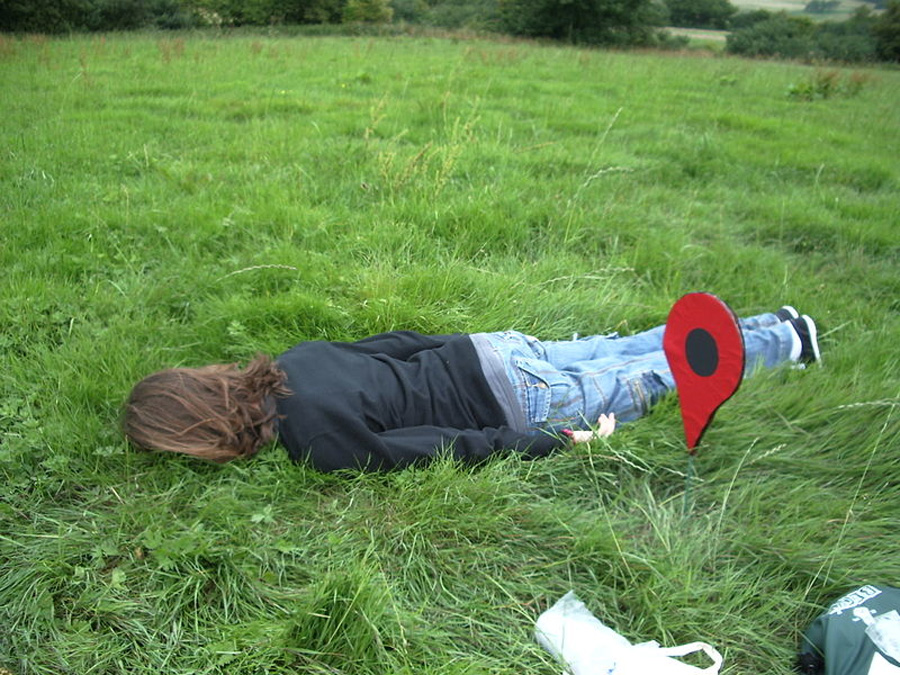
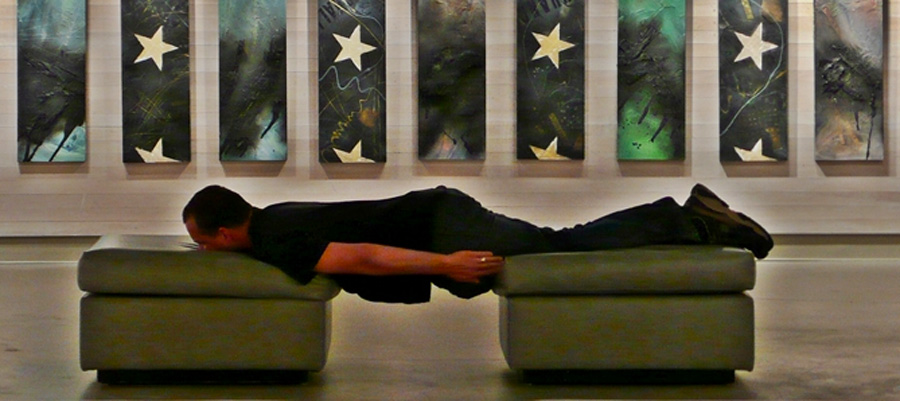
When Pete finally got her the photo she wanted (it too 3 tries), we asked her about this planking thing. She said Google it when you get back home. So I did just that. According to Wikipedia, planking (or the "Lying Down Game") is a fad claimed to have been invented by comedian Tom Green as early as 1994. However, Gary Clarkson and Christian Langdon claim to have invented planking in 2000, first becoming popular in North East England. I think folks in that region must be a little strange, perhaps due to the miserable weather there. For whatever reason, the lying down game spread to the rest of the world, where it has also been known as "playing dead" (South Korea 2003), "à plat ventre" ("On one's belly", France 2004), "extreme lying down" (Australia 2008), "facedowns" (USA and Ireland 2010), and "planking" (2011, Austria & New Zealand and worldwide). So I've gathered a few photos for your amusement.
All of which simply goes to prove beyond a shadow of doubt that this is indeed a very strange world we live in. In the next chapter we will take you to a museum on Palatine Hill containing many beautiful art objects, and hopefully will move closer to the Roman Forum. |
||||||||||
|
||||||||||
|
||||||||||
|
||||||||||