|
|
|
|
|
|
|
|
|
|
|
||||||||
|
||||||||||||||||||
|
Email us at: |
||||||||||||||||||
 |
||||||||||||||||||
 |
 |
|||||||||||||||||
|
Click the sun to see the |
||||||||||||||||||


 |
||||||||||||
|
|
|
|
|
|
|
||||||
|
||||||||||||
|
||||||||||||
|
||||||||||||
|
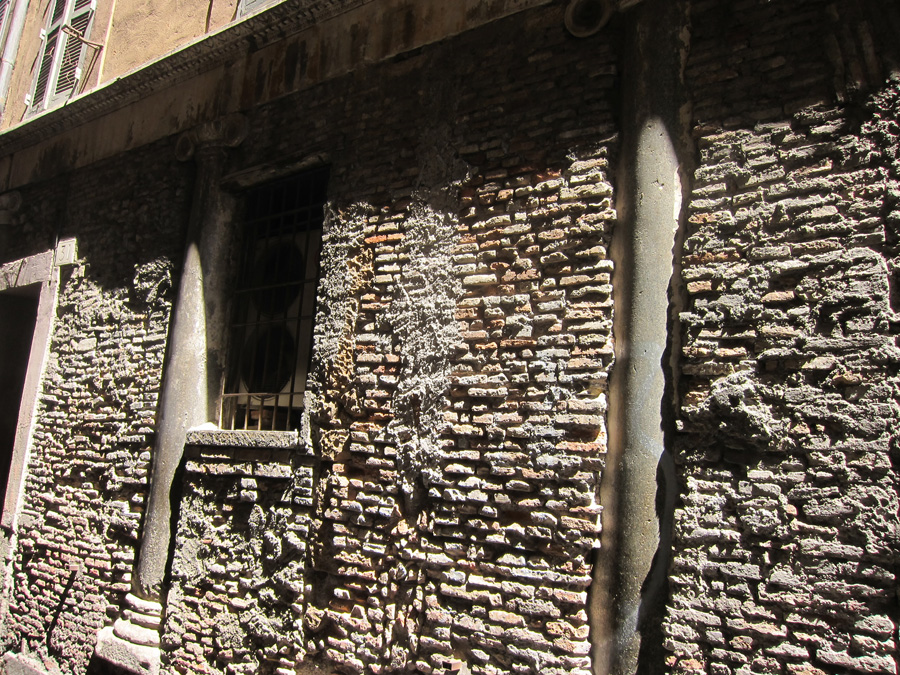
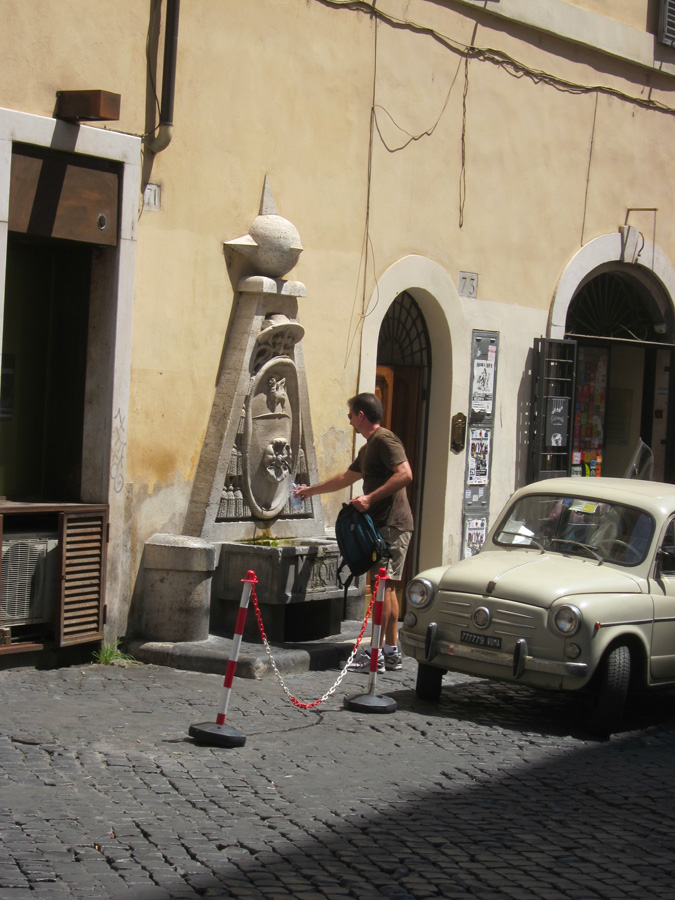
We saw some strange things while on this walk. You wonder who writes the building codes.
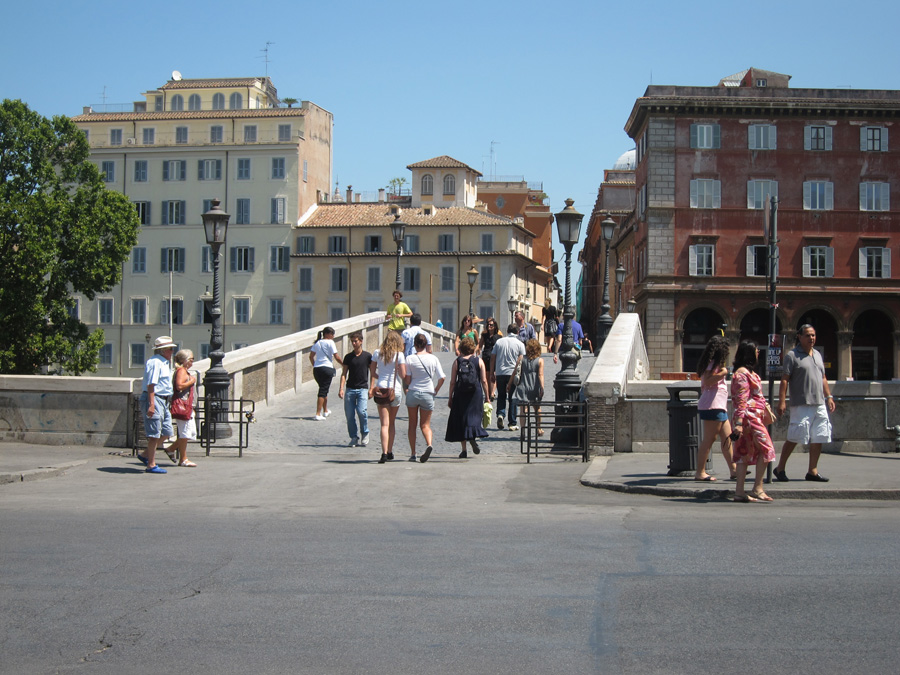
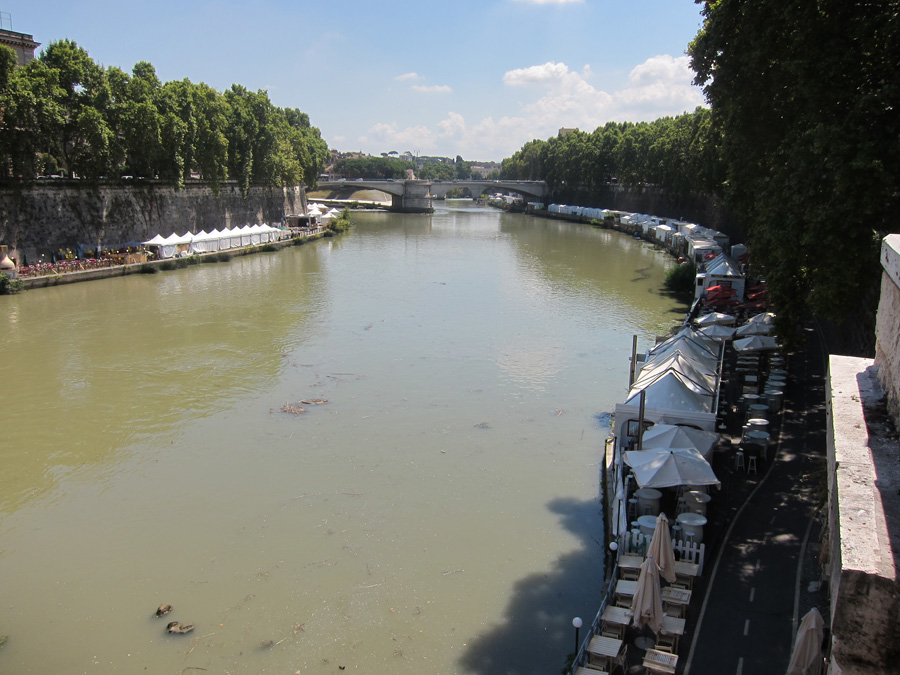
At one point in our walk we cross the River Tiber, and it doesn't look like something you'd want to go swimming in. This is the bridge where we crossed the Tiber. There were lots of bridges that crossed the river, both for cars and pedestrians
It looks like a pretty slow moving river. There are cafés all along its banks.
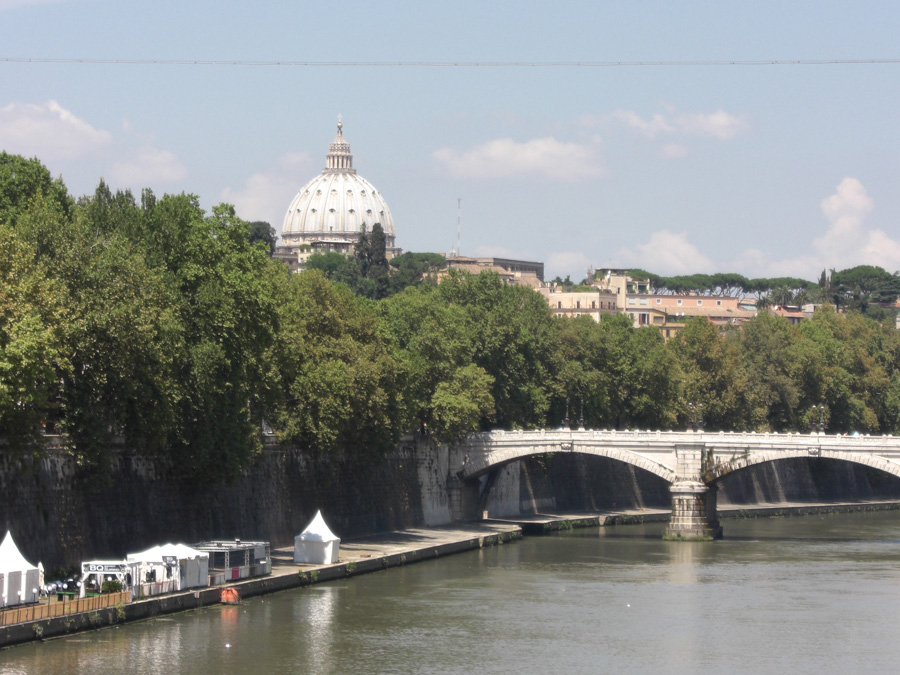
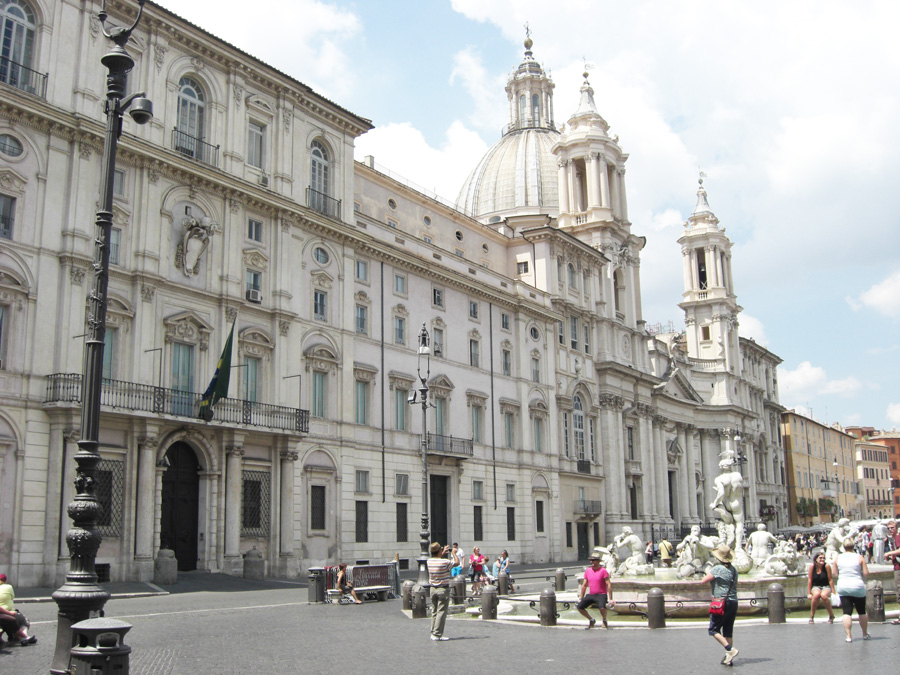
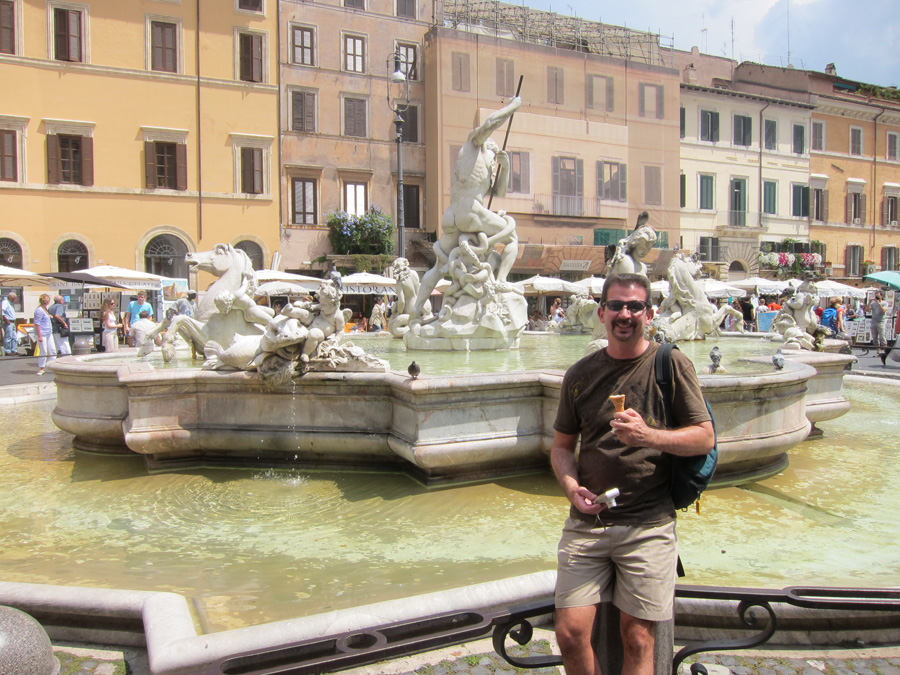
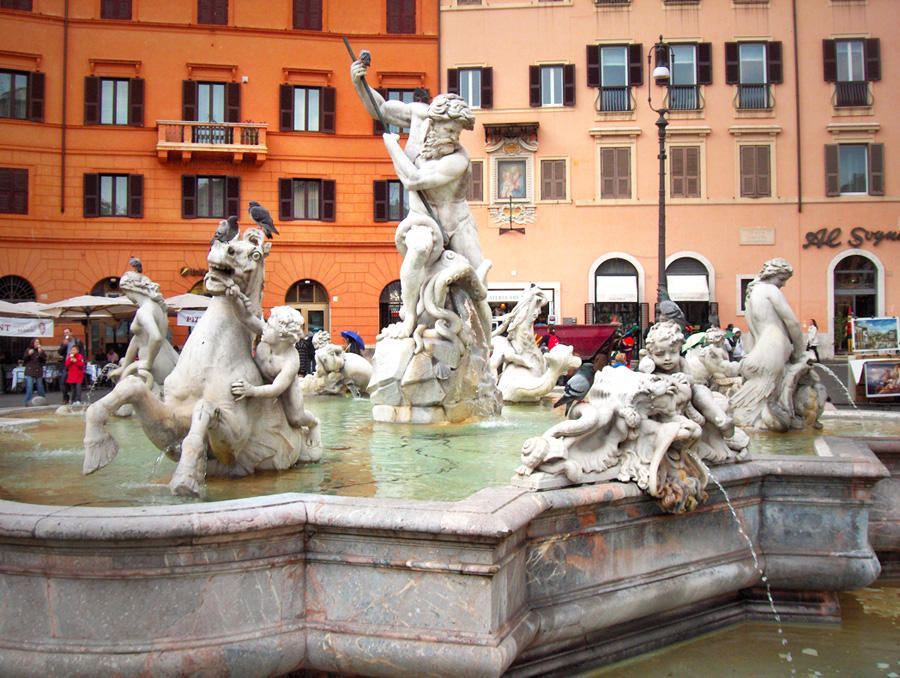
We can see the dome of St. Peter's as we crossed the Tiber on our way to the Piazza Navona Piazza Navona is Rome's most interesting night scene, featuring street music, artists, fire-eaters, local Casanovas, ice cream, fountains by Bernini, and outdoor cafés to die for. It is an oblong square that retains the shape of the original racetrack that was built around A.D. 80 by the emperor Domitian. Since ancient times the square has been a center of Roman life.
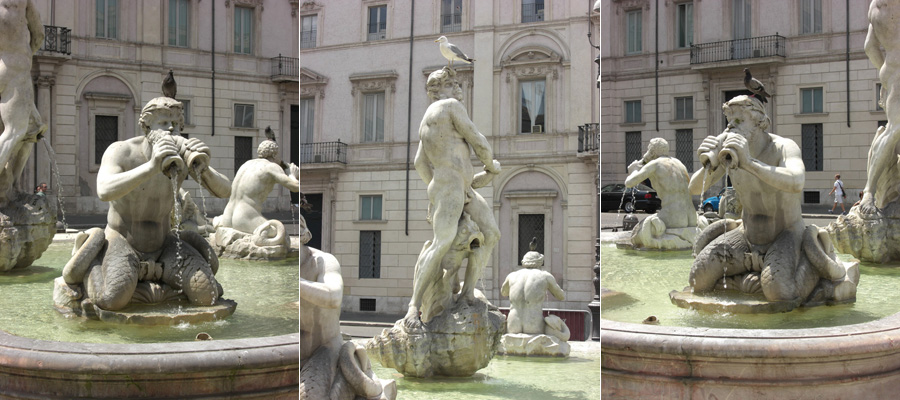
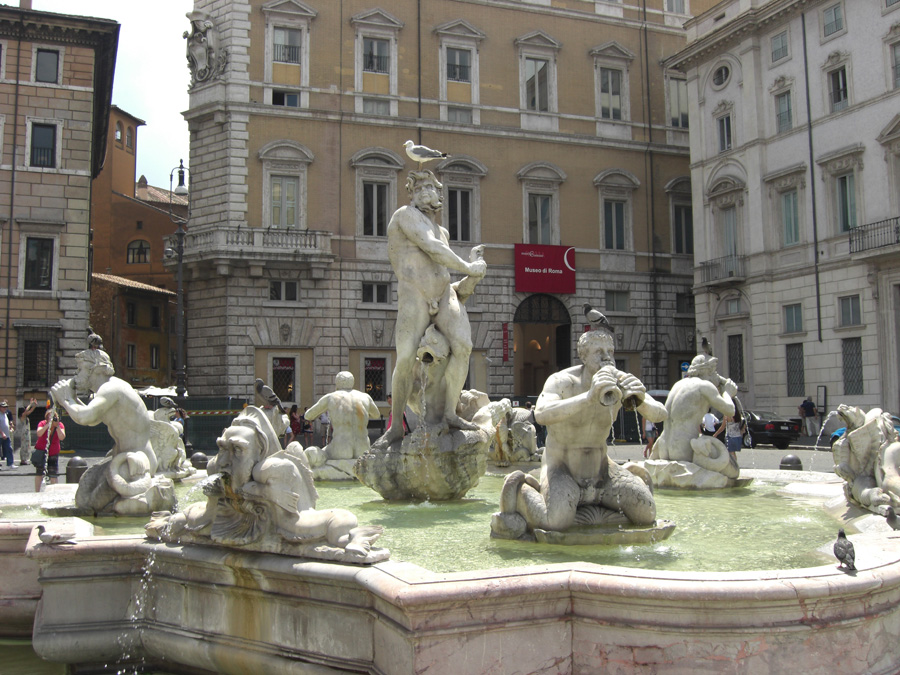
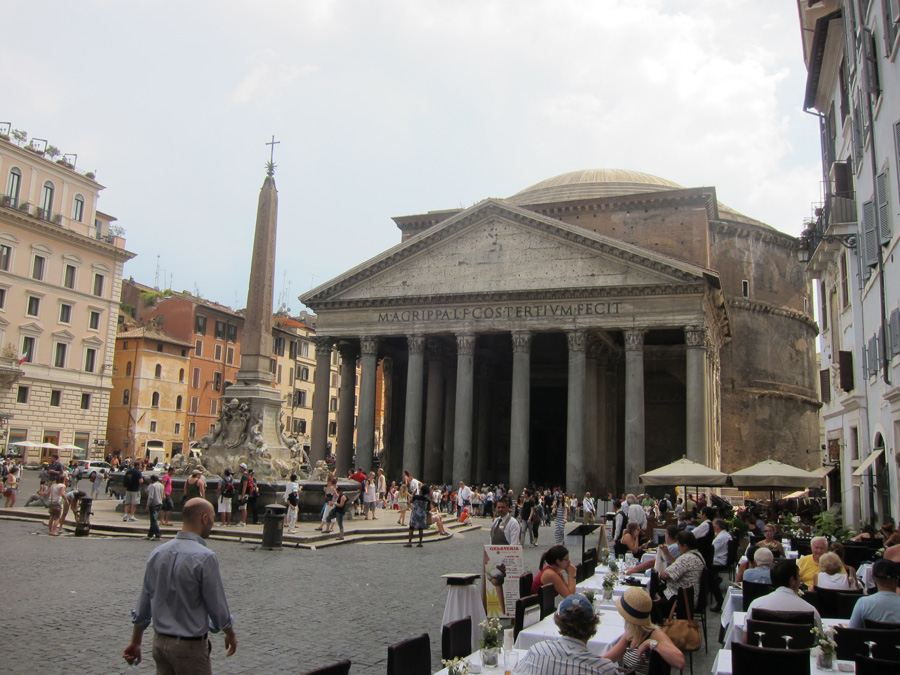
This is the Fountain del Moro on the South end of the Piazza Navona, which has a basin and four Tritons sculpted by The granite columns of the Pantheon's entrance show the scale the ancient Romans built on. The columns support a triangular Greek-style roof with an inscription that says "M. Agrippa" built it. In fact, it was built by Emperor Hadrian, who gave credit to the builder of an earlier structure. This impressive entranceway gives no clue that the greatest wonder of the building is inside―a domed room that inspired later domes, including Michelangelo's St. Peter's and Brunelleschi's Duomo (in Florence). The Pantheon, Rome's best-preserved monument, has engineers today still admiring how the Romans built such a mathematically precise structure without computers, fossil fuel-run machinery, or electricity. The Pantheon was a Roman temple dedicated to all (pan) of the gods (theos). The original temple was built in 27 B.C. by Augustus' son-in-law, Marcus Agrippa. In fact, the inscription below the triangular pediment proclaims in Latin, "Marcus Agrippa, son of Lucio, three times consul made this." But after a couple of fires, the structure we see today was completely rebuilt by the emperor Hadrian around A.D. 120. Some say that Hadrian, an amateur architect (and voracious traveler), helped design it. In the next chapter we will take you inside the Pantheon, and explain more about the amazing construction techniques used in the creation of this fantastic building. |
||||||||||||
|
||||||||||||
|
||||||||||||
|
||||||||||||