|
|
|
|
|
|
|
|
|
|
|
||||||||
|
||||||||||||||||||
|
Email us at: |
||||||||||||||||||
 |
||||||||||||||||||
 |
 |
|||||||||||||||||
|
Click the sun to see the |
||||||||||||||||||


 |
|||||||||||
|
|
|
|
|
|
|
|||||
|
|||||||||||
|
|||||||||||
|
|||||||||||
|
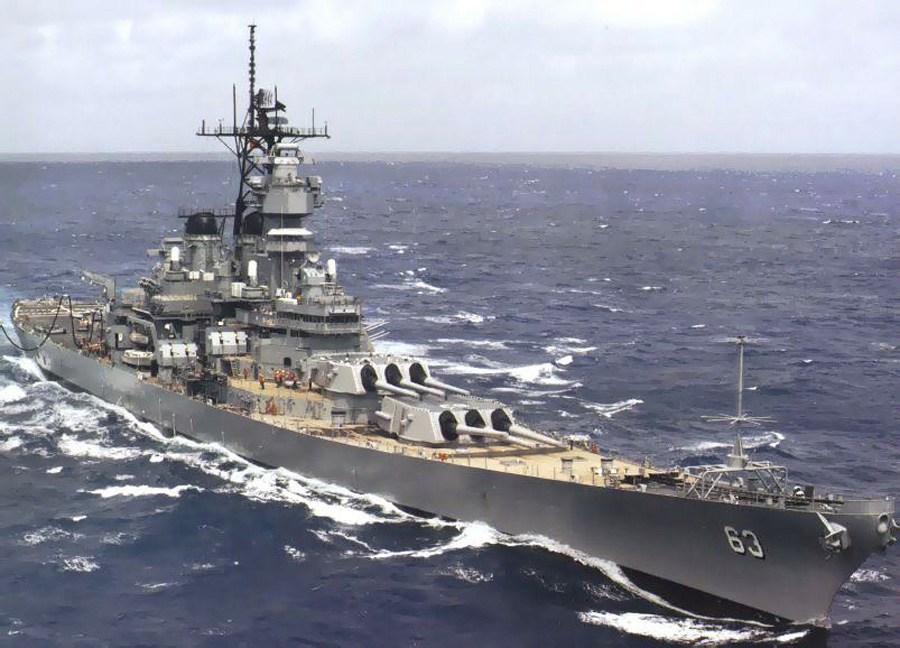
The battleship USS Missouri (BB-63), an Iowa class battleship, was the last battleship built by the United States. It was the ship used for the signing of the documents of surrender of the Empire of Japan which ended World War II. Missouri was ordered in 1940 and commissioned in June 1944. In the Pacific Theater of World War II she fought in the battles of Iwo Jima and Okinawa and shelled the Japanese home islands, and she fought in the Korean War from 1950 to 1953. She was decommissioned in 1955 into the United States Navy Reserve Fleet (the "Mothball Fleet"), but reactivated and modernized in 1984 as part of the 600-ship Navy plan, and provided fire support during Operation Desert Storm in January/February 1991.
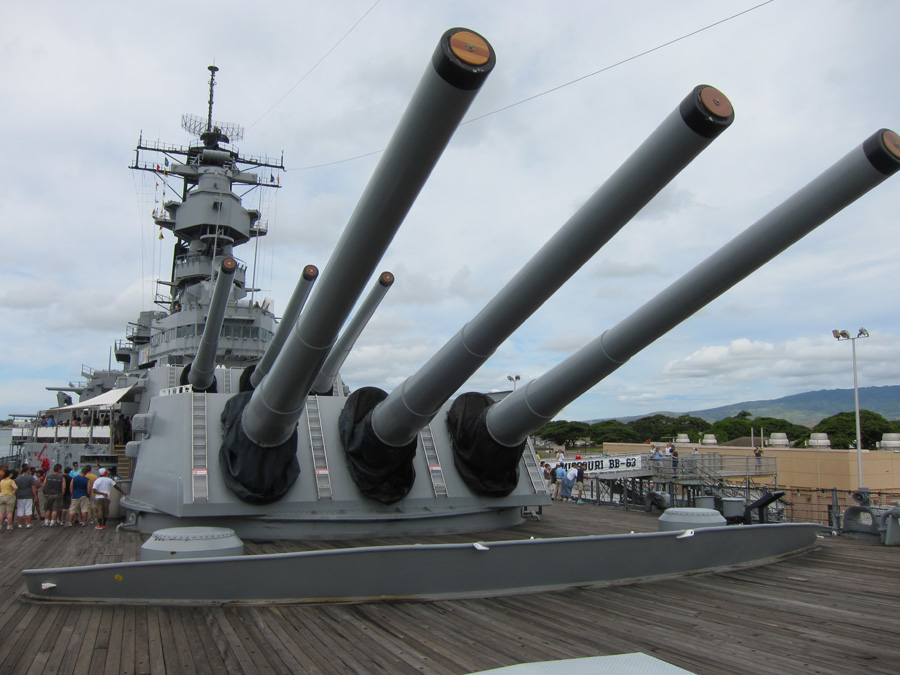
She has nine of these 16 inch guns, and can fire their shells at targets 20 miles away, and they can get 18 rounds off before the first shell reaches its target. The shells weighed 2700 pounds (1,200 kg) and were armor piercing.
This is one of the 16 inch shells. They come in two types, one of which is a shell that blasts out horizontally, for personnel elimination, but during the Korean war they discovered that the thick jungle could also be eradicated, and they could create a fine helicopter landing pad anywhere the wanted, for extraction of troops who had become surrounded by the enemy.
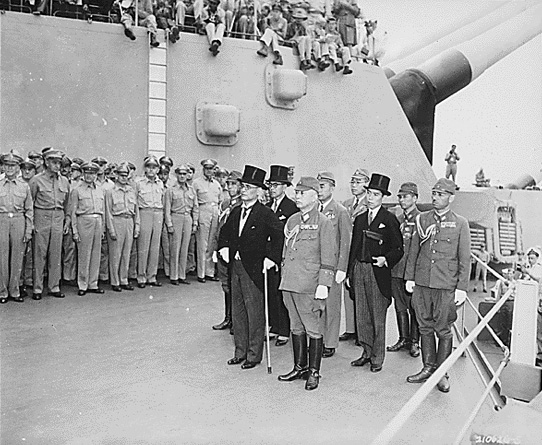
The Japanese contingent arrives for the signing ceremony
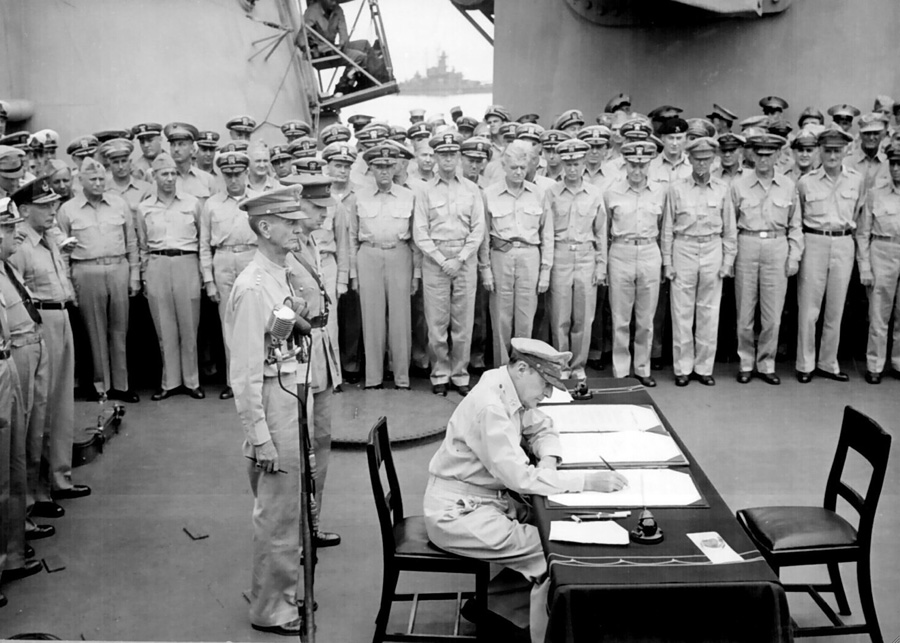
General Douglas MacArthur signing the documents outlining the conditions of surrender of the Empire of Japan, on the USS INSTRUMENT OF SURRENDER We, acting by command of and on behalf of the Emperor of Japan, the Japanese Government and the Japanese Imperial General Headquarters, hereby accept the provisions in the declaration issued by the heads of the Governments of the United States, China, and Great Britain 26 July 1945 at Potsdam, and subsequently adhered to by the Union of Soviet Socialist Republics, which four powers are hereafter referred to as the Allied Powers. We hereby proclaim the unconditional surrender to the Allied Powers of the Japanese Imperial General Headquarters and of all Japanese Armed Forces and all Armed Forces under Japanese control wherever situated. We hereby command all Japanese forces wherever situated and the Japanese people to cease hostilities forthwith, to preserve and save from damage all ships, aircraft, and military and civil property, and to comply with all requirements which may be imposed by the Supreme Commander for the Allied Powers or by agencies of the Japanese Government at his direction. We hereby command the Japanese Imperial General Headquarters to issue at once orders to the commanders of all Japanese forces and all forces under Japanese control wherever situated to surrender unconditionally themselves and all forces under their control. We hereby command all civil, military, and naval officials to obey and enforce all proclamations, orders, and directives deemed by the Supreme Commander for the Allied Powers to be proper to effectuate this surrender and issued by him or under his authority; and we direct all such officials to remain at their posts and to continue to perform their non-combatant duties unless specifically relieved by him or under his authority. We hereby undertake for the Emperor, the Japanese Government, and their successors to carry out the provisions of the Potsdam Declaration in good faith, and to issue whatever orders and take whatever action may be required by the Supreme Commander for the Allied Powers or by any other designated representative of the Allied Powers for the purpose of giving effect to that declaration. We hereby command the Japanese Imperial Government and the Japanese Imperial General Headquarters at once to liberate all Allied Prisoners of War and civilian internees now under Japanese control and to provide for their protection, care, maintenance, and immediate transportation to places as directed. The authority of the Emperor and the Japanese Government to rule the State shall be subject to the Supreme Commander for the Allied Powers, who will take such steps as he deems proper to effectuate these terms of surrender. Signed at TOKYO BAY, JAPAN at 09.04 on the SECOND day of SEPTEMBER, 1945 The war was officially over.
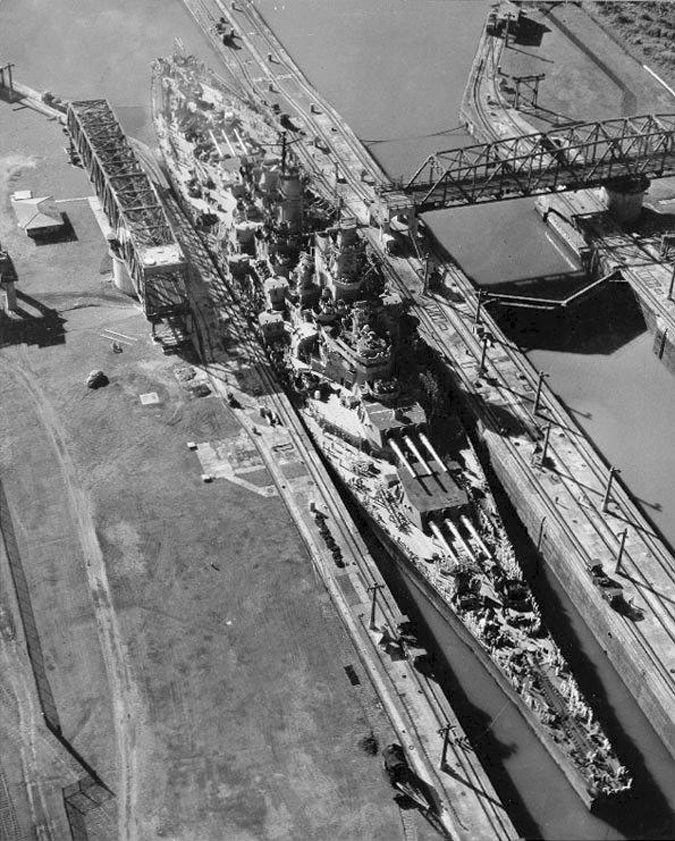
The USS Missouri moves through the Panama Canal en route to the United States in October 1945
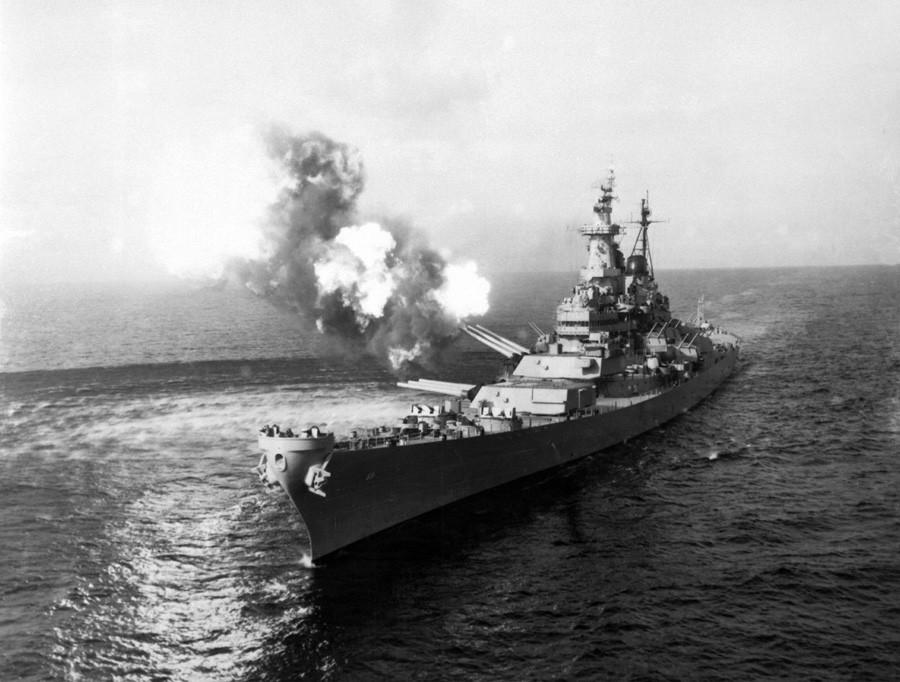
Missouri fires her guns against enemy positions during the Korean War. Notice the effect on the seawater under the guns.
This is one beautiful ship. The last of a breed, no longer relevant in todays warfare, she sits in Pearl Harbor as a museum. Going below decks, it was like coming home. It doesn't matter how big or how small a Navy ship is, they all look pretty much the same. Well, with the exception of submarines. They are a breed apart.
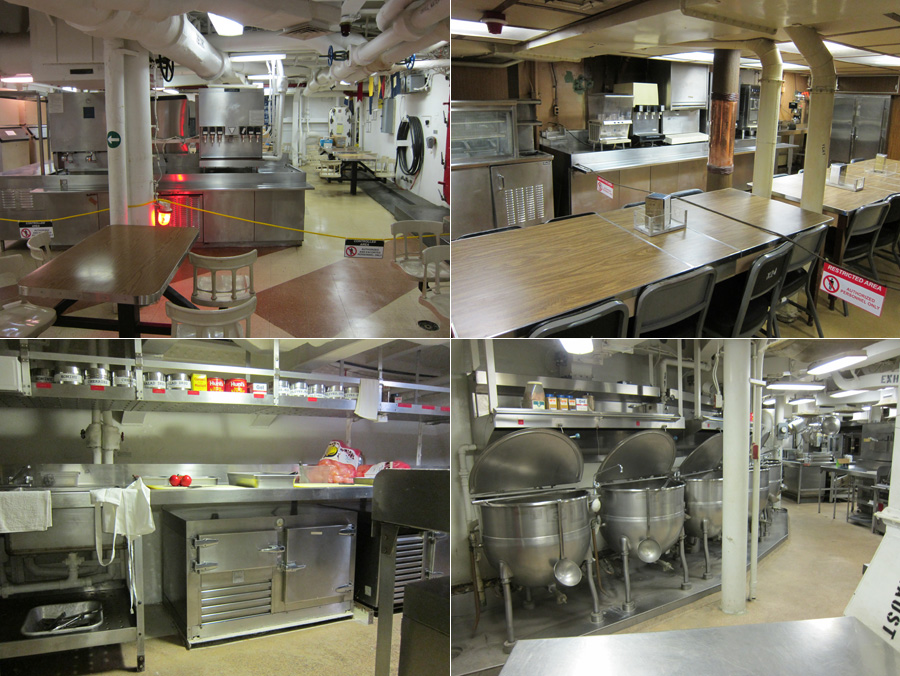
A typical dining area (mess) and kitchen (galley). Even on the airbase where I was stationed, the look is much the same.
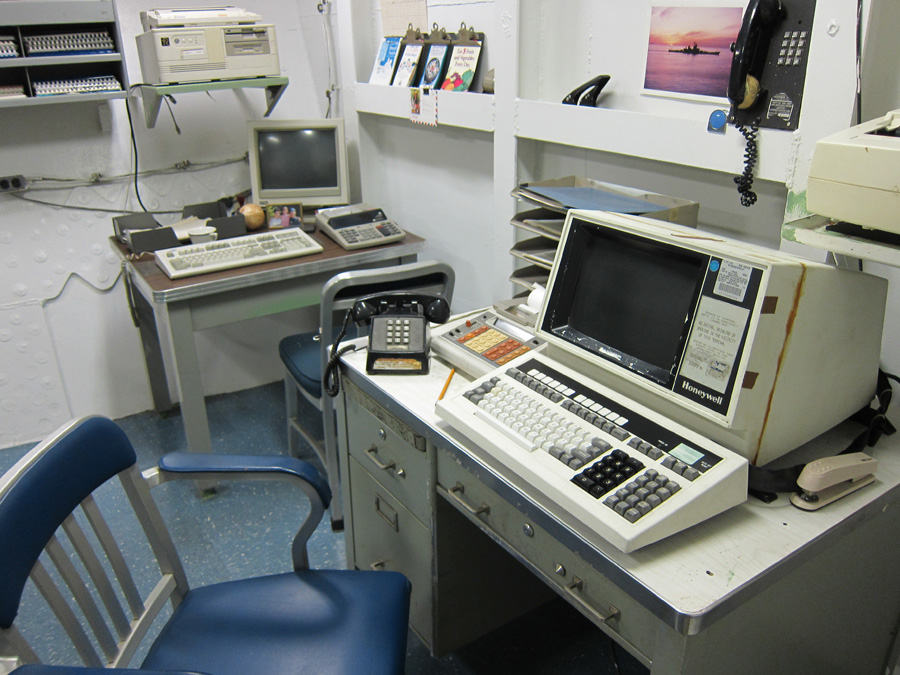
This computer is not exactly the state of the art, but it probably got the job done. Can you
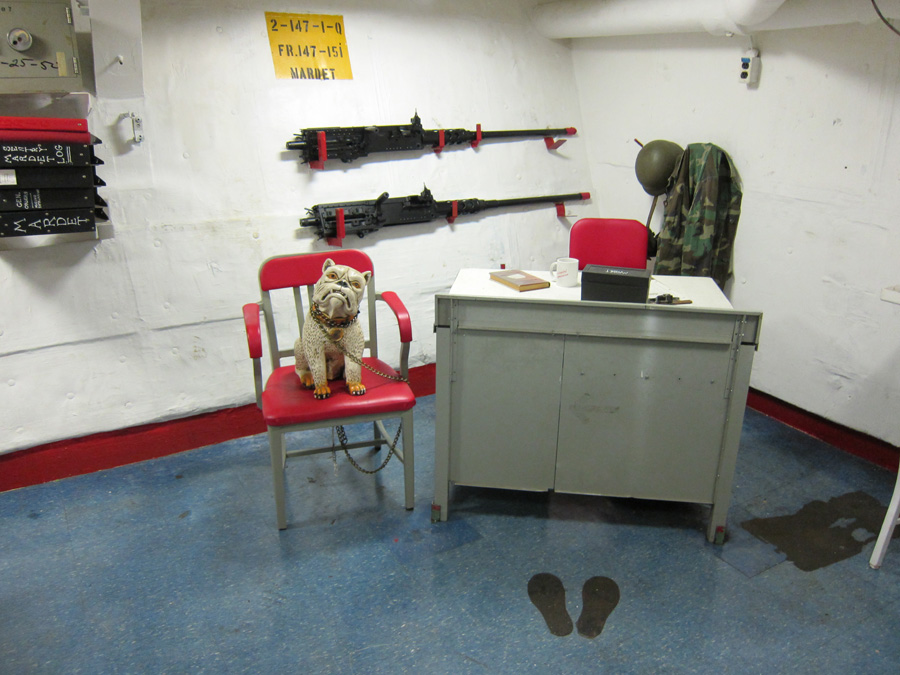
I'm not sure what this is about, but off hand I'd say you didn't mess with the guy who sat behind this desk.
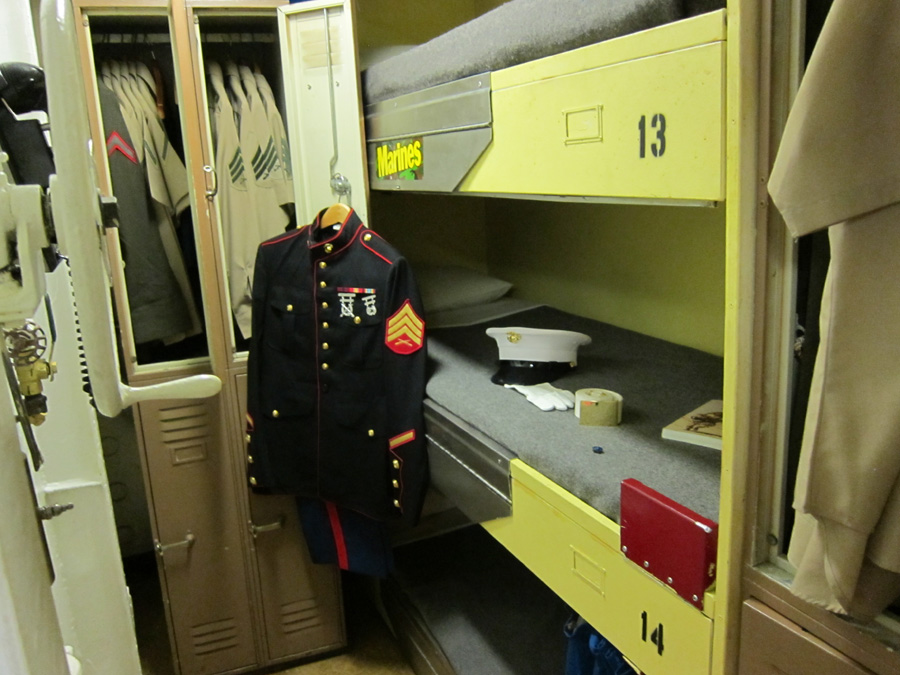
The is the quarters of one squared away Marine. I don't know how they survive with so little living space. And it was a shared space.
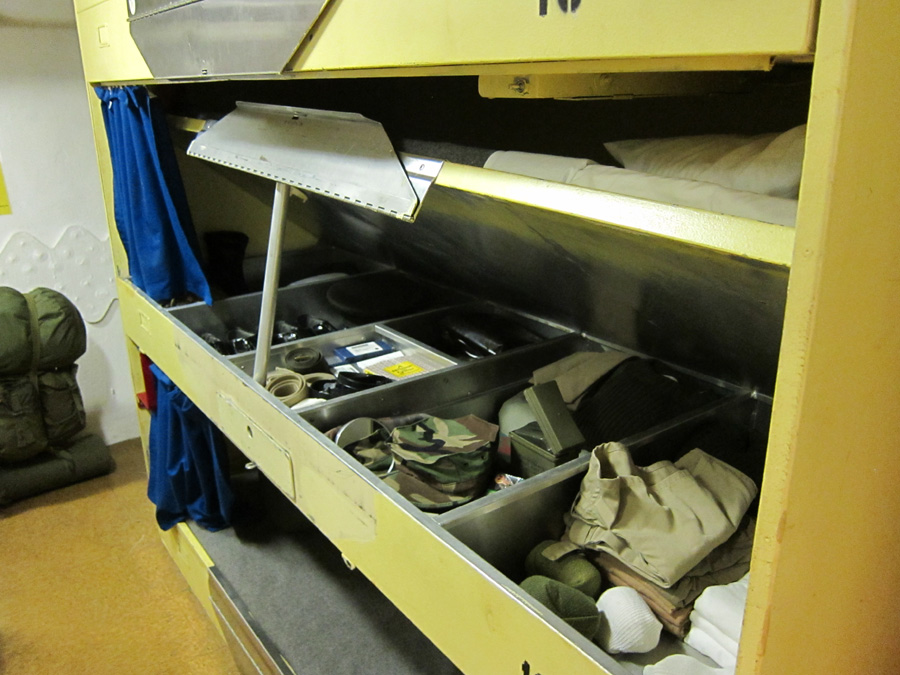
The bunk lifted up to expose your storage space. That must have been an awfully hard bed, with no springs.
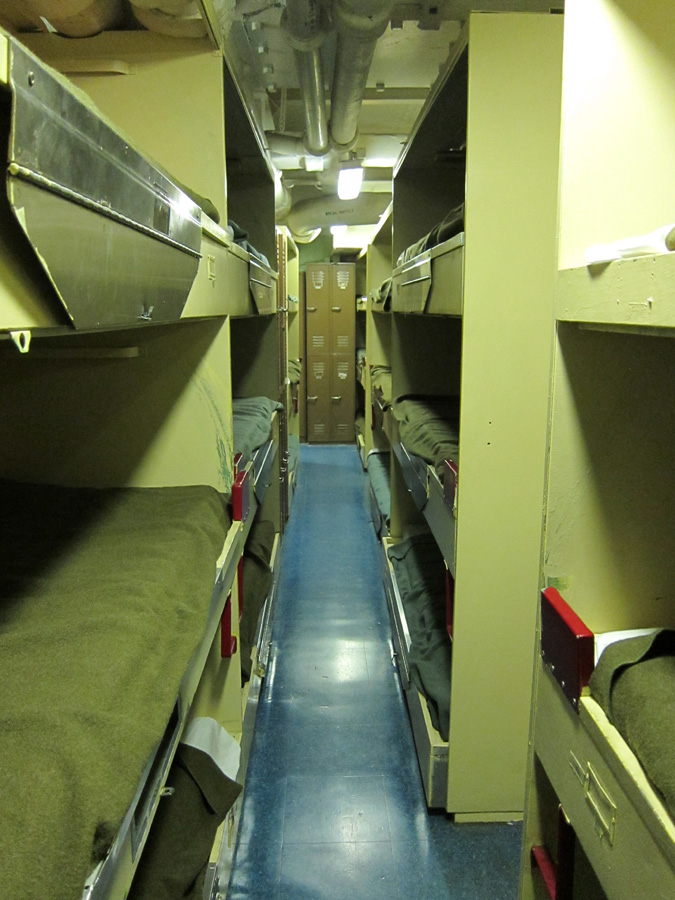
Most of the men slept in quarters like this. Pretty tight space, and one of those lockers at the
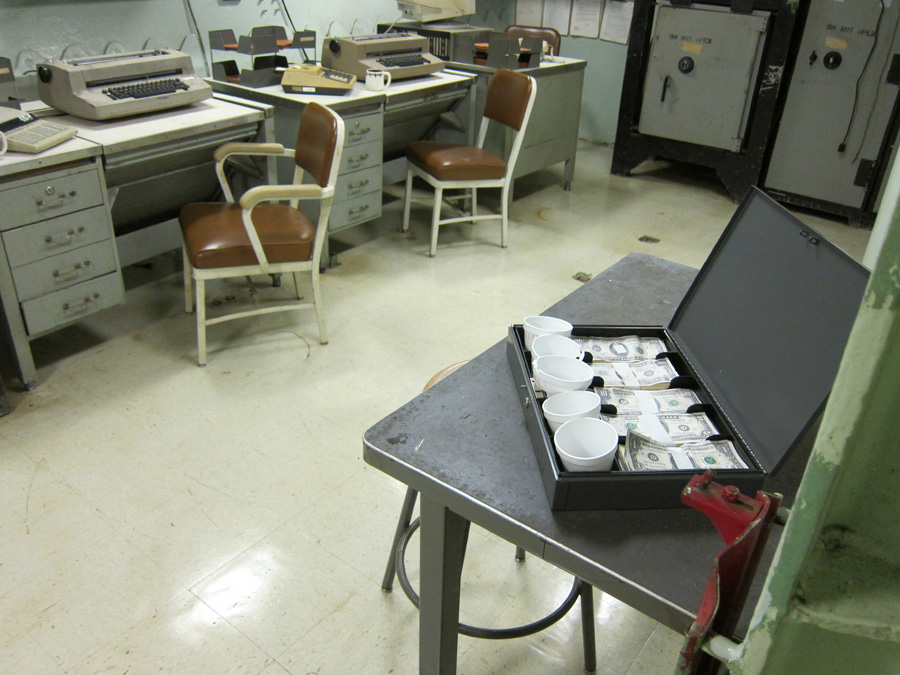
When it was payday, everyone would have to come to the Disbursing Office to get paid. I remember when I was going through
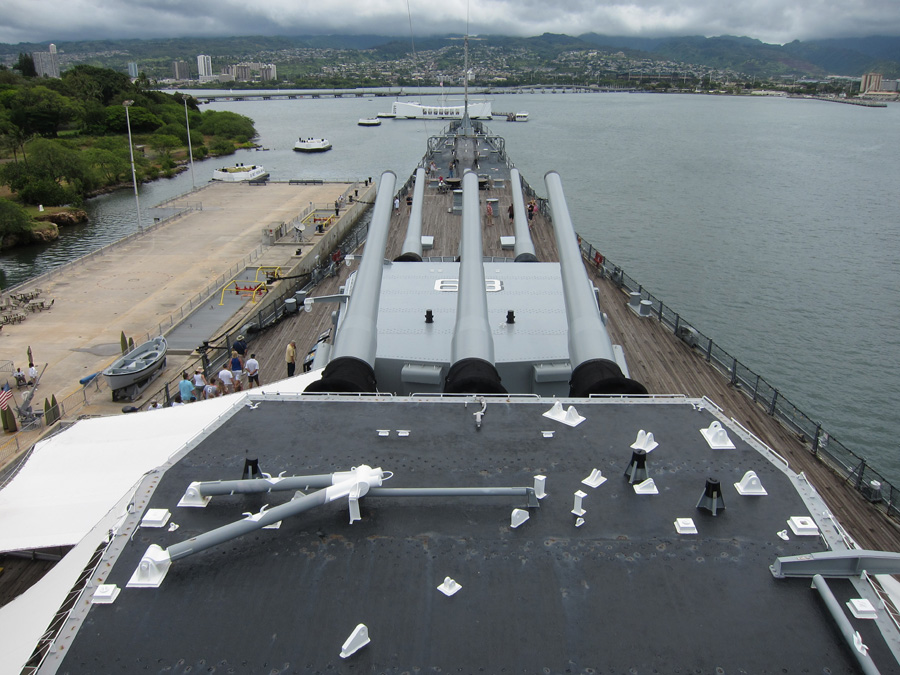
Above deck it was quite a sight to look down the prow of this huge ship. I would have loved to serve aboard this ship, for
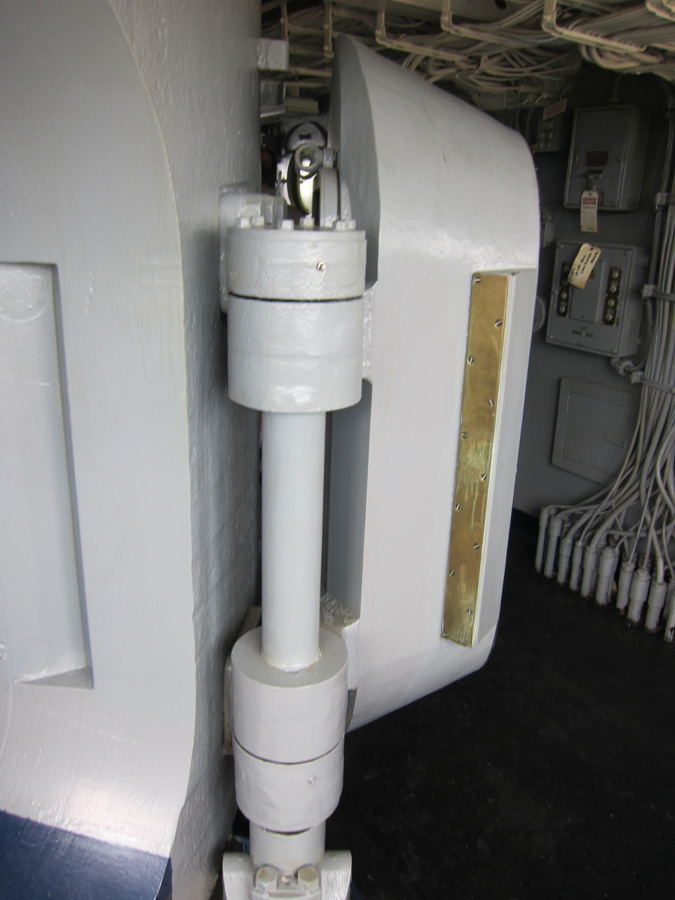
This hatch leads into the IC, or Intelligence Center, the heart of the ships operations. It is one foot thick solid steel, as is the entire chamber. It is designed to withstand a direct hit, and the men inside remain able to carry out the functions of directing events. There is just a bit more to go on Mighty MO, and I will finish it up in the next chapter.
|
|||||||||||
|
|||||||||||
|
|||||||||||
|
|||||||||||