|
|
|
|
|
|
|
|
|
|
|
||||||||
|
||||||||||||||||||
|
Email us at: |
||||||||||||||||||
 |
||||||||||||||||||
 |
 |
|||||||||||||||||
|
Click the sun to see the |
||||||||||||||||||


 |
||||||||||||
|
|
|
|
|
|
|
||||||
|
||||||||||||
|
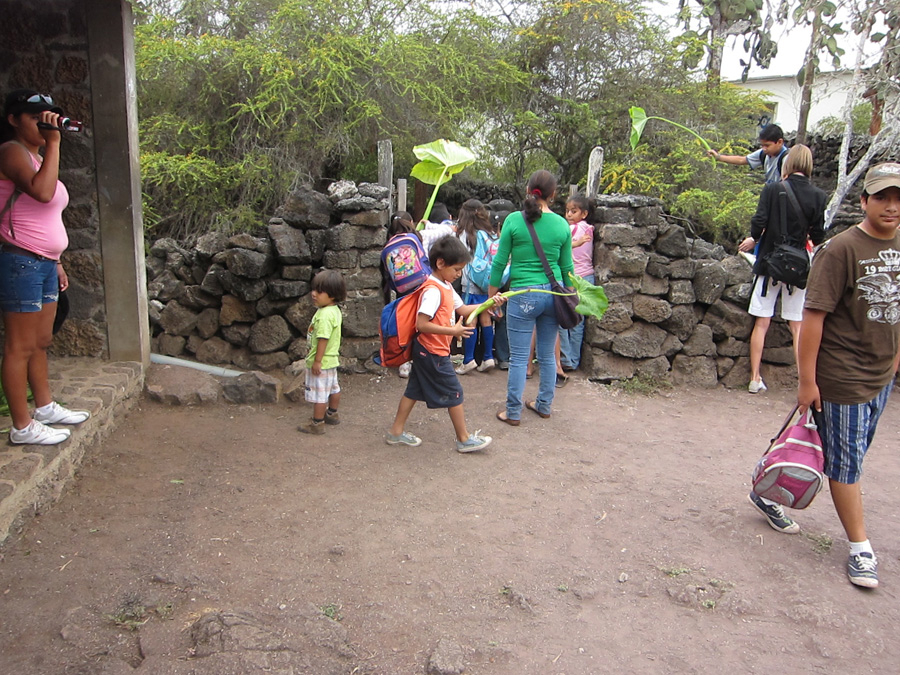
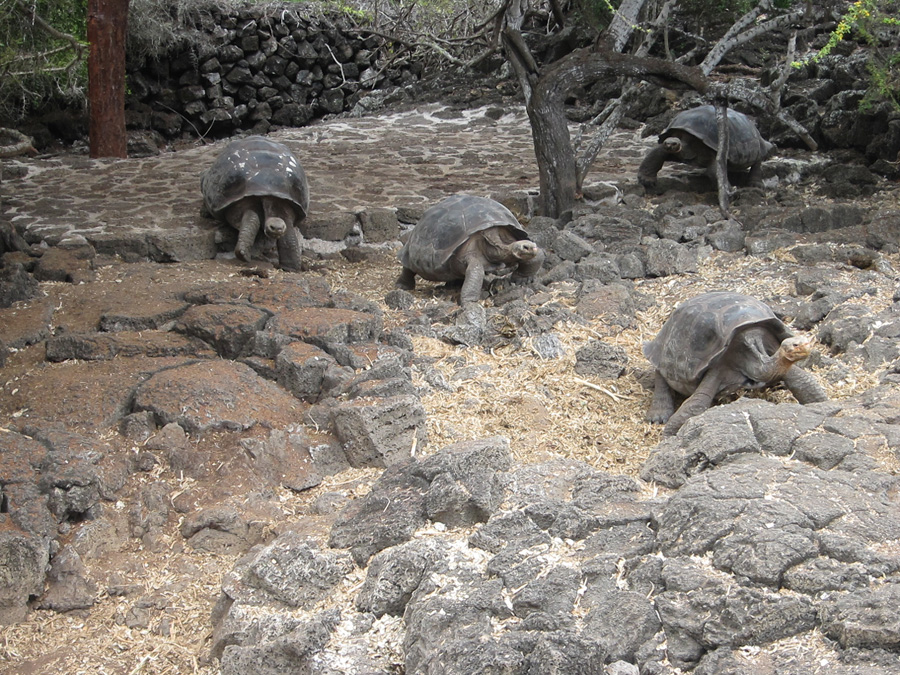
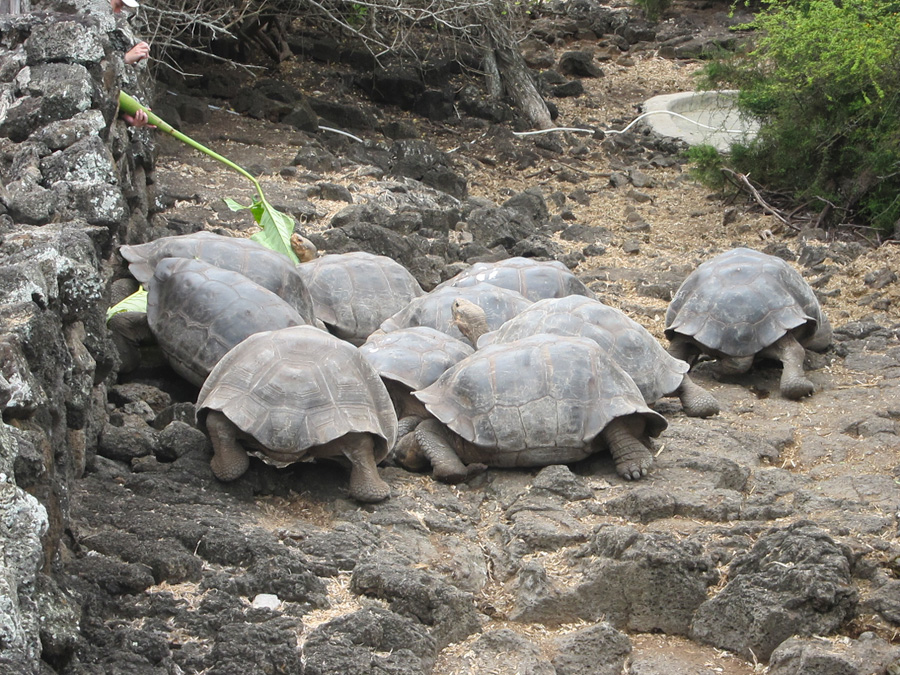
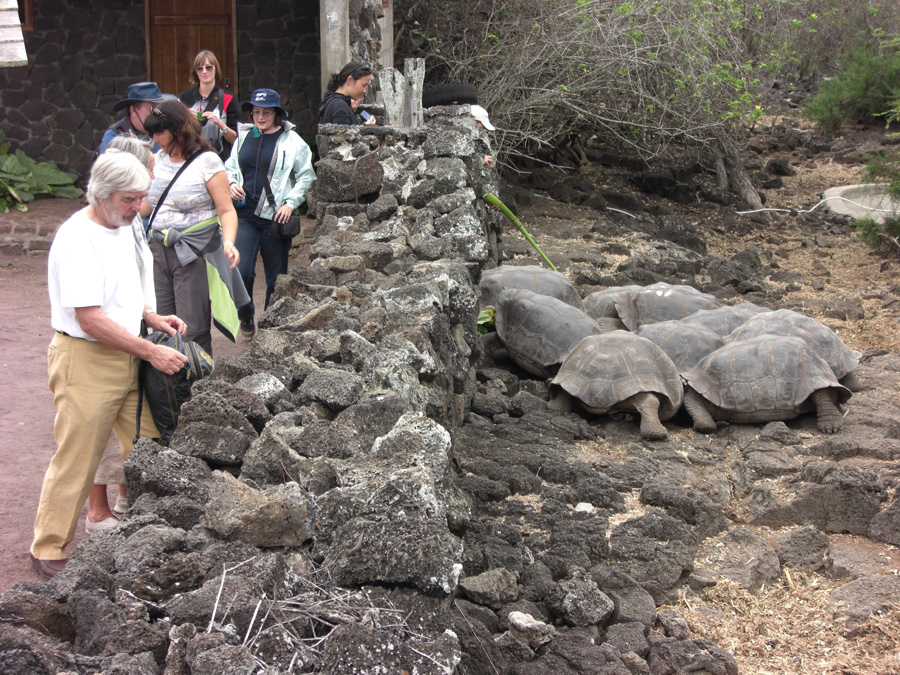
Our next stop was a huge compound containing several giant tortoises, just sort of minding their own business.
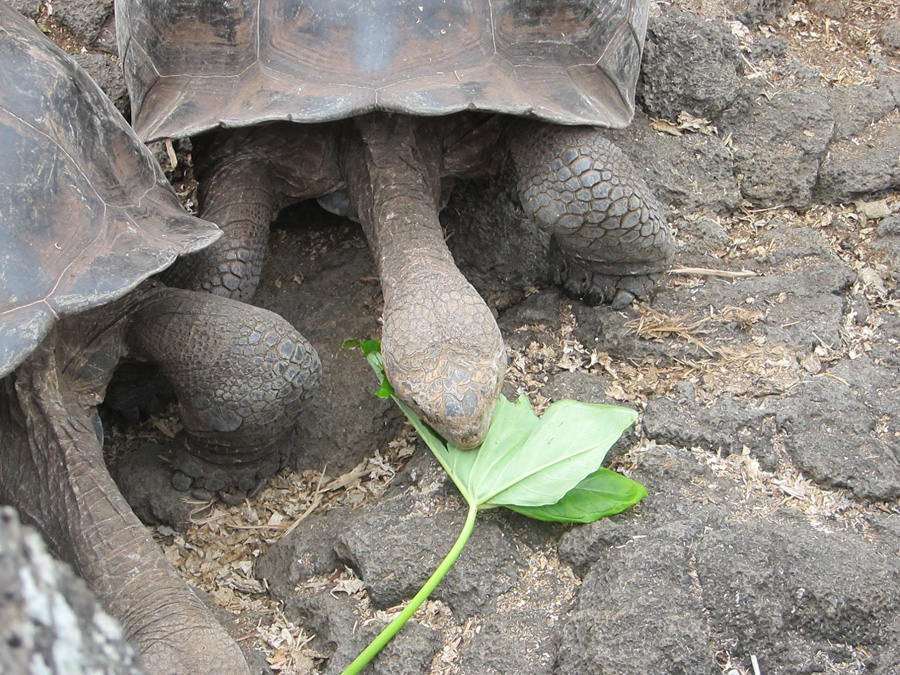
As soon as the tortoises saw the green leaves being thrown over the stone fence by the children, they came
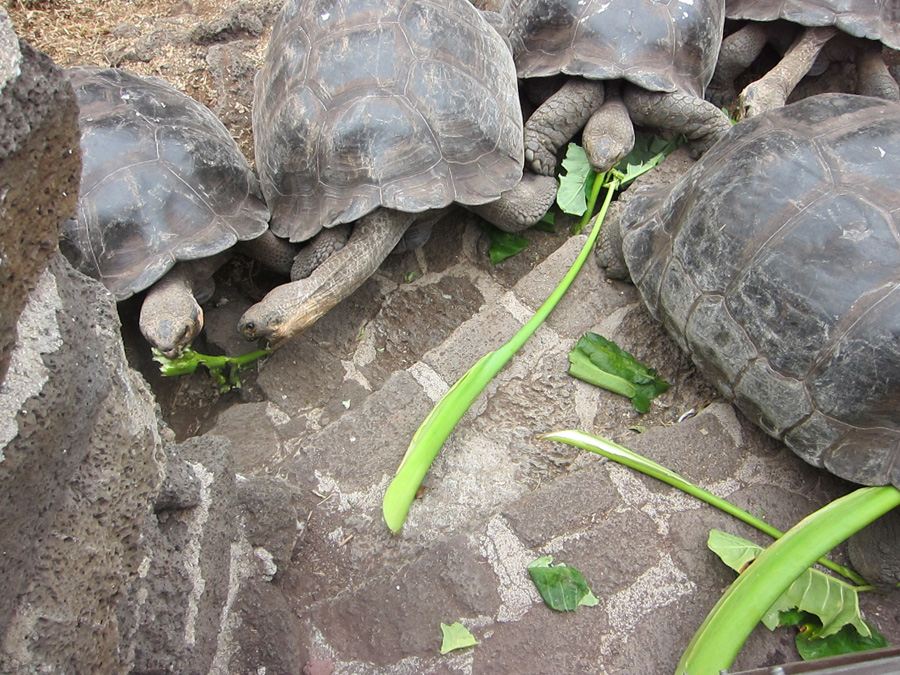
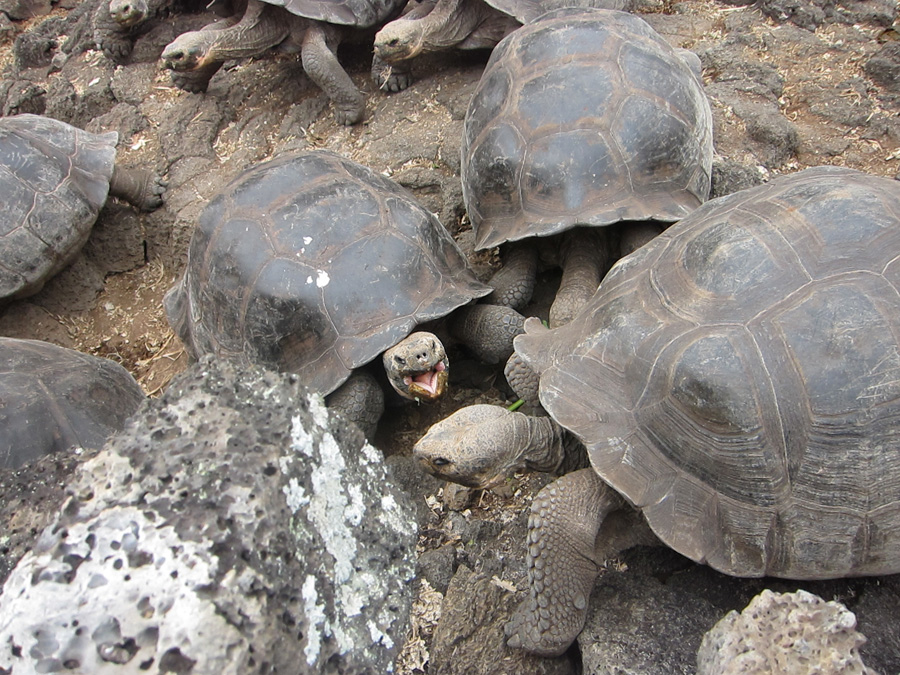
You'd think they never fed them. It was a free for all, to see who could gobble it down the fastest.
I never saw leaves being devoured so quickly. The only thing that slowed them down was their shells being in the way.
The kids were so excited as they shoved the huge leaves in the midst of the tortoises. I could
I definitely was not about to stick my hand down there with those ravenous creatures.
All but a couple of kids had left the scene, and the giant tortoises are still devouring the leaves they gave to them.
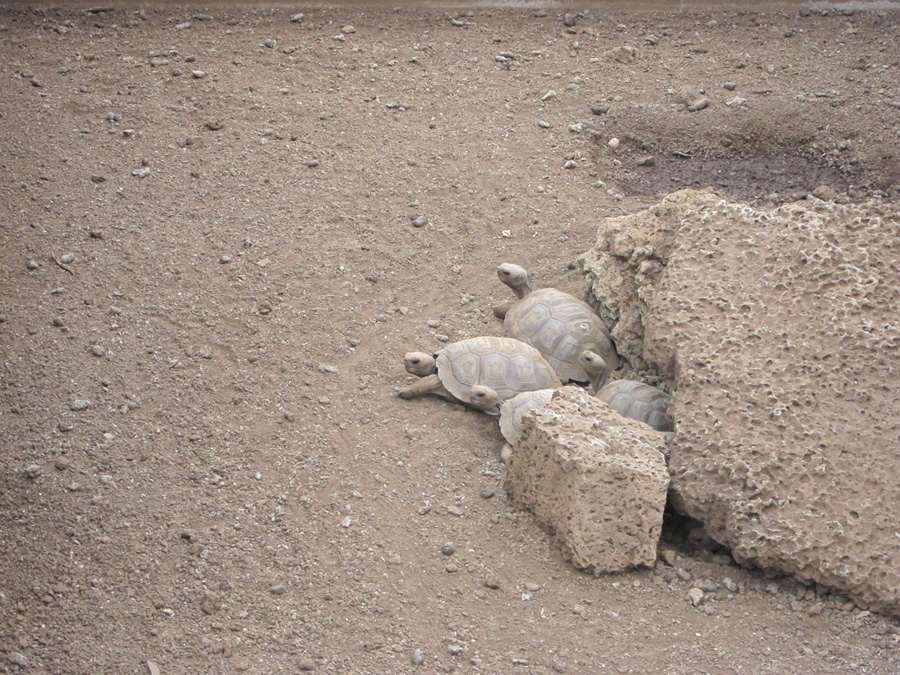
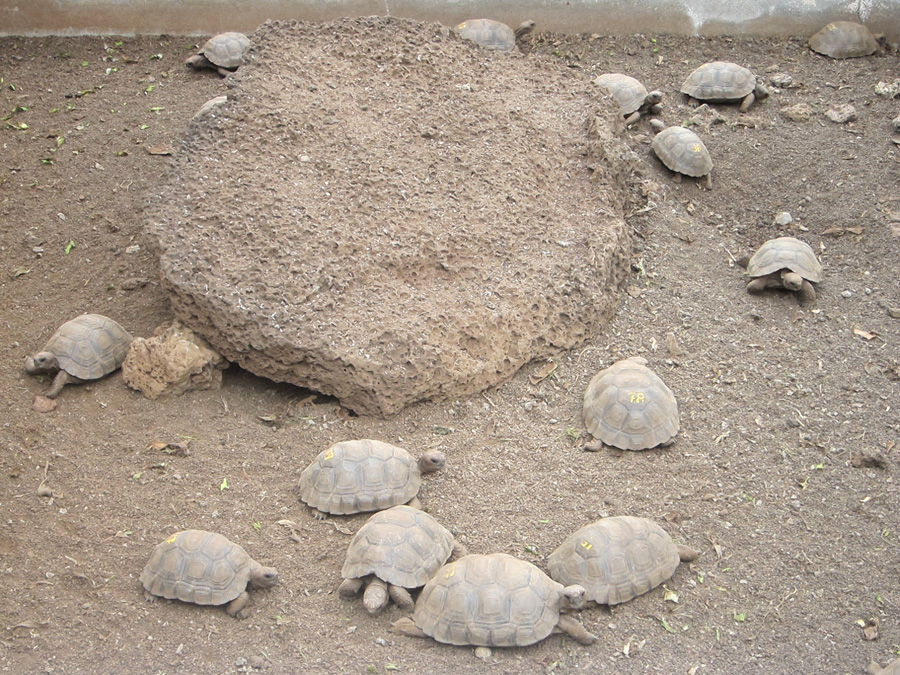
These little guys are about 5 inches across, and nearly ready to be moved to the wilds of their genus' home island.
Off hand I'd say the breeding efforts here at the Darwin Research Station are a huge success.
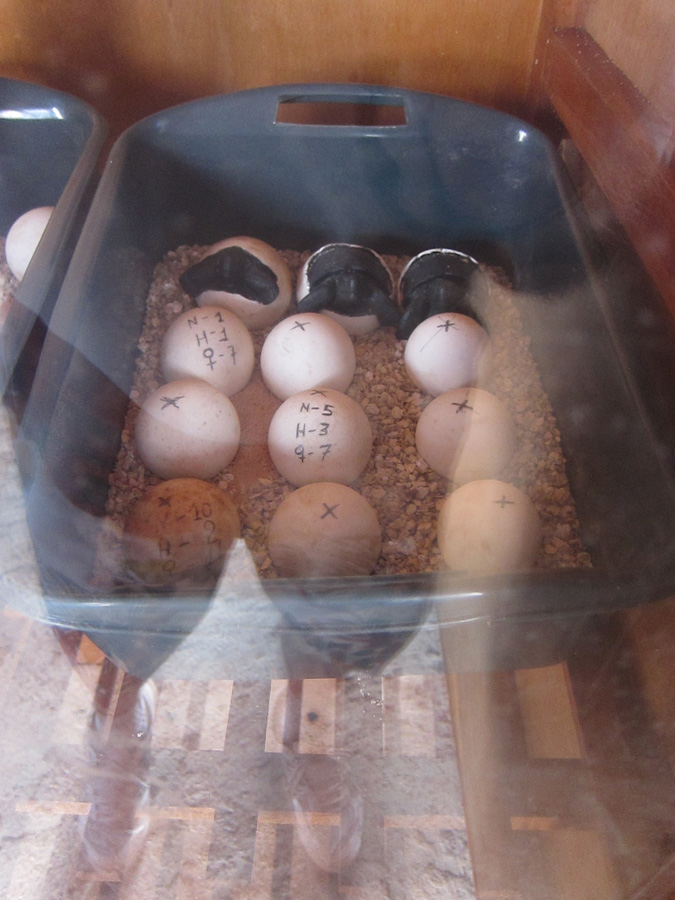
These are real eggs, but not real baby tortoises in the back row, just clay models in a display designed to show tourists Since 1970, more than 2000 galapaguitos (baby Galápagos tortoises) have been returned to the native areas from which their eggs were taken. Over 400 are currently in breeding pens and will promptly be returned to their place of origin. For this breeding effort to succeed, it needs the corresponding control programs and eradication of non-native animals to continue. A good example of success that this program can have is Española Island. The entire population of Galápagos tortoises of this island, two males and twelve females, were brought to the station for the captive breeding program, since their number was so low that they could not find each other in the field. In 1976, a third male from Española was sent from the San Diego Zoo, USA, to be added to the program. Over 1000 galapaguitos of this race have been returned to Española, an island that can now be considered free of non-native animals, due to the eradication of goats in 1978. It should be noted that the galapaguitos from Española are repatriated at one and a half years old now that there is no danger. In Chapter Eighteen I will conclude our visit to the Darwin Research Station, and we will go by bus to visit South Plaza Island.
|
||||||||||||
|
||||||||||||