|
|
|
|
|
|
|
|
|
|
|
||||||||
|
||||||||||||||||||
|
Email us at: |
||||||||||||||||||
 |
||||||||||||||||||
 |
 |
|||||||||||||||||
|
Click the sun to see the |
||||||||||||||||||


 |
|||||||||||
|
|
|
|
|
|
|
|||||
|
|||||||||||
|
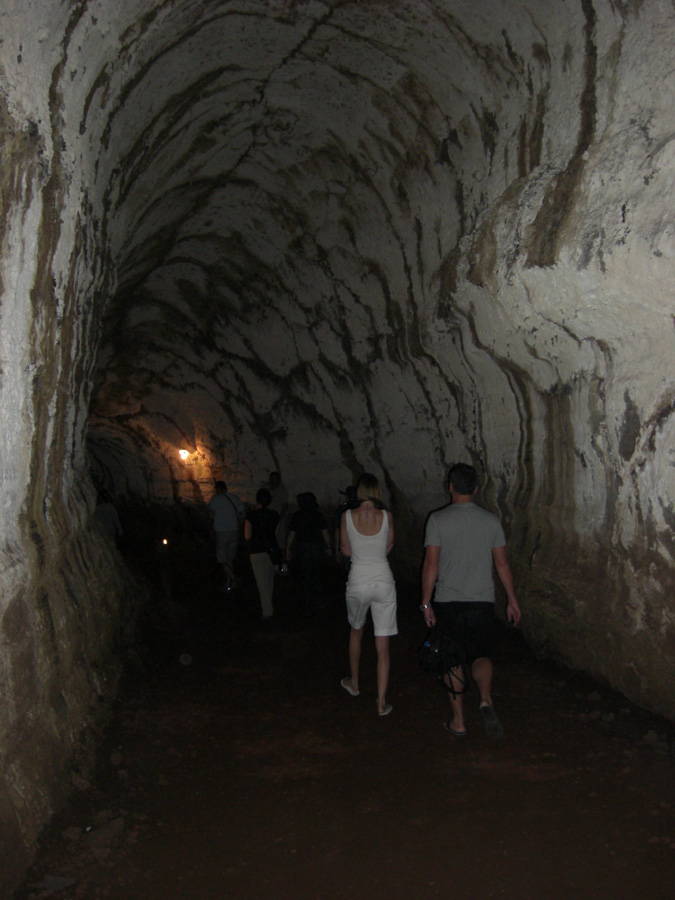
The lava tube was quite long, and parts of it were not well lighted at all.
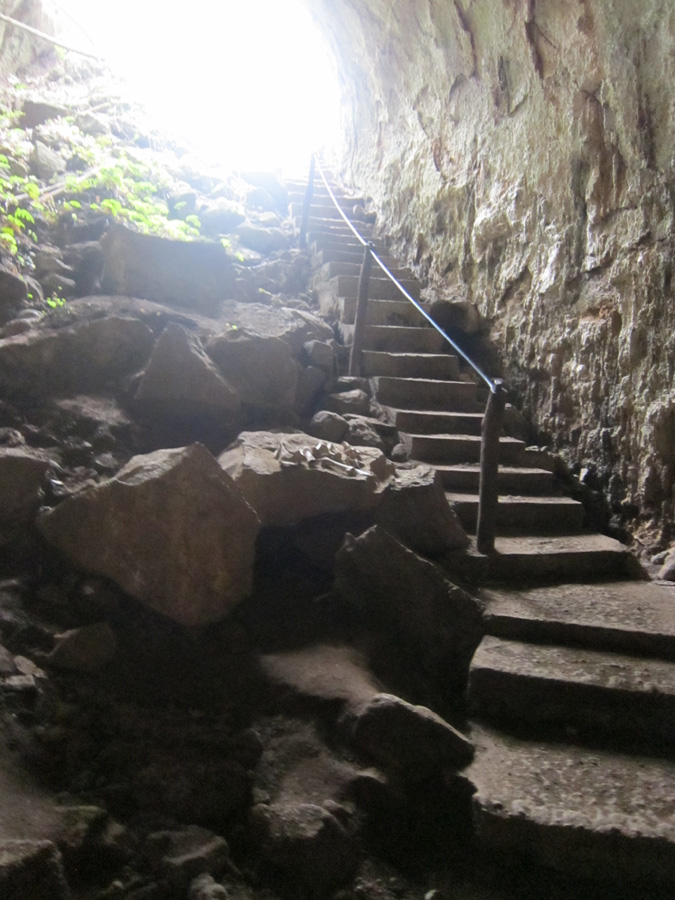
This was all very interesting, but it was nice to see the light of day once again.
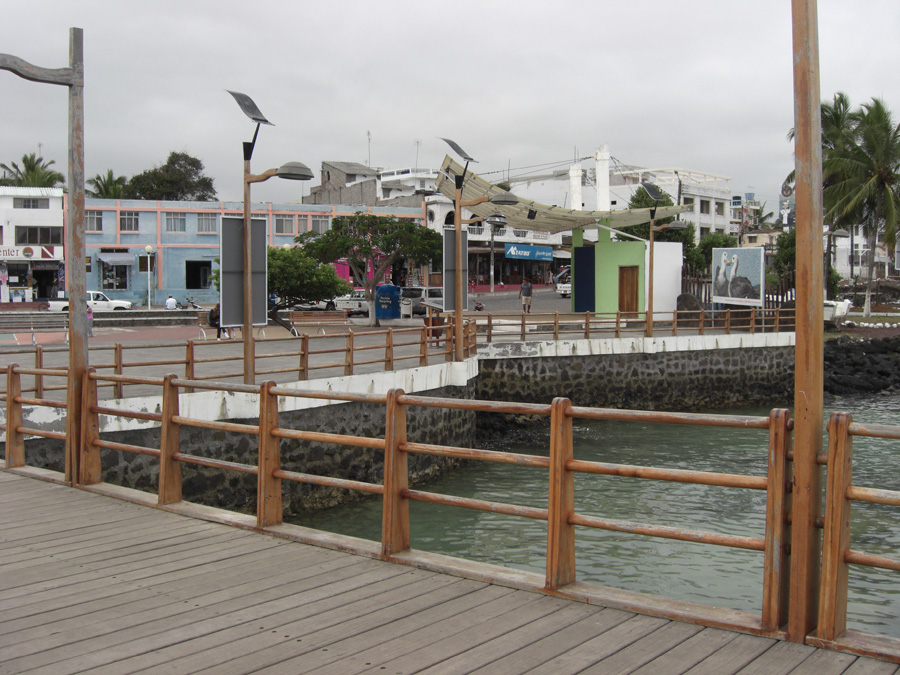
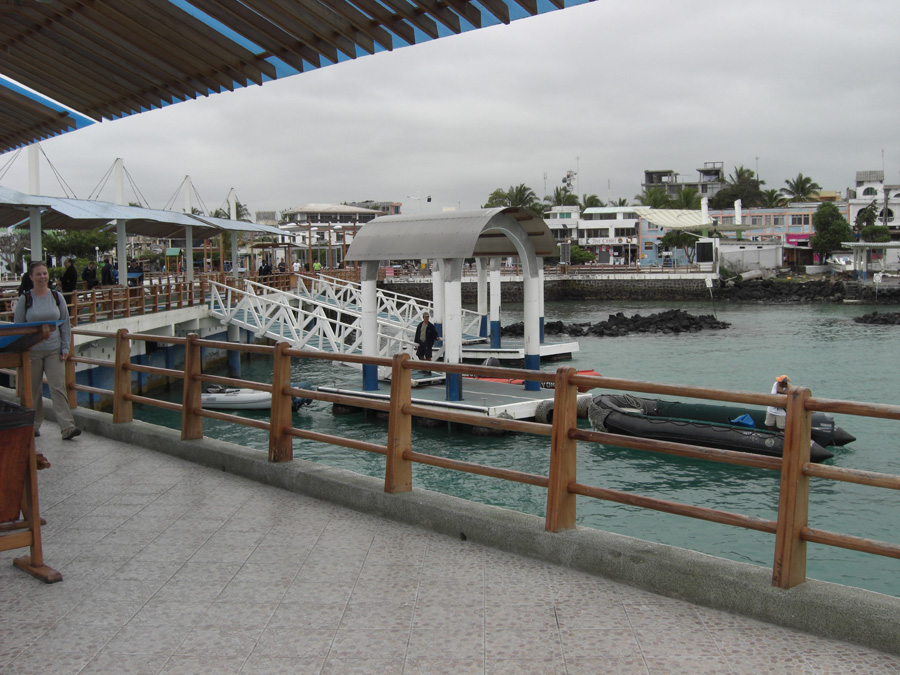
The bus took us back to town, and we wandered around a bit as we waited for the Zodiacs to arrive.
As you can see, the sky was very overcast, and that kept it nice and cool for us.
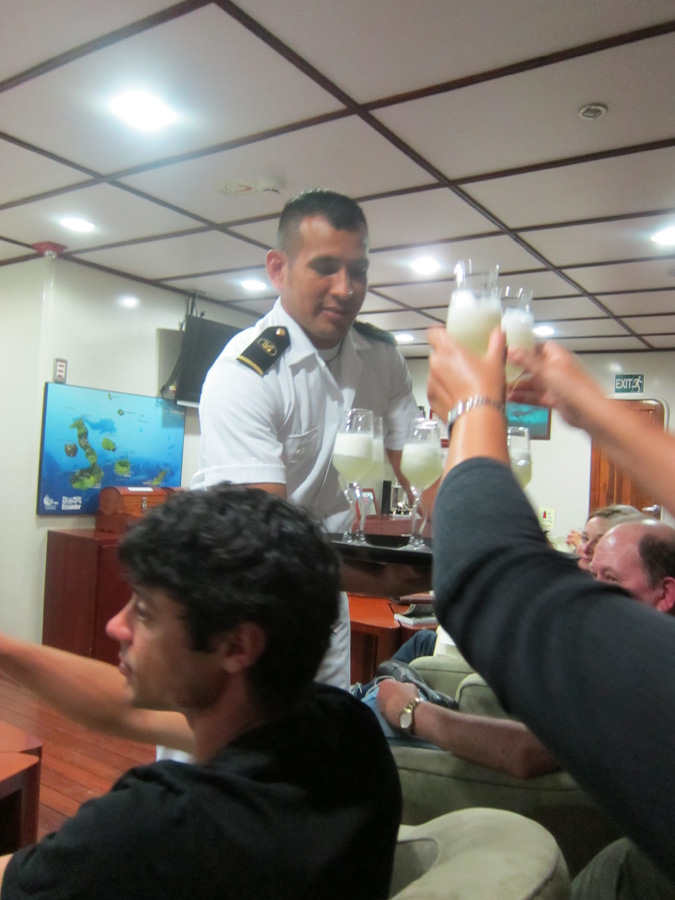
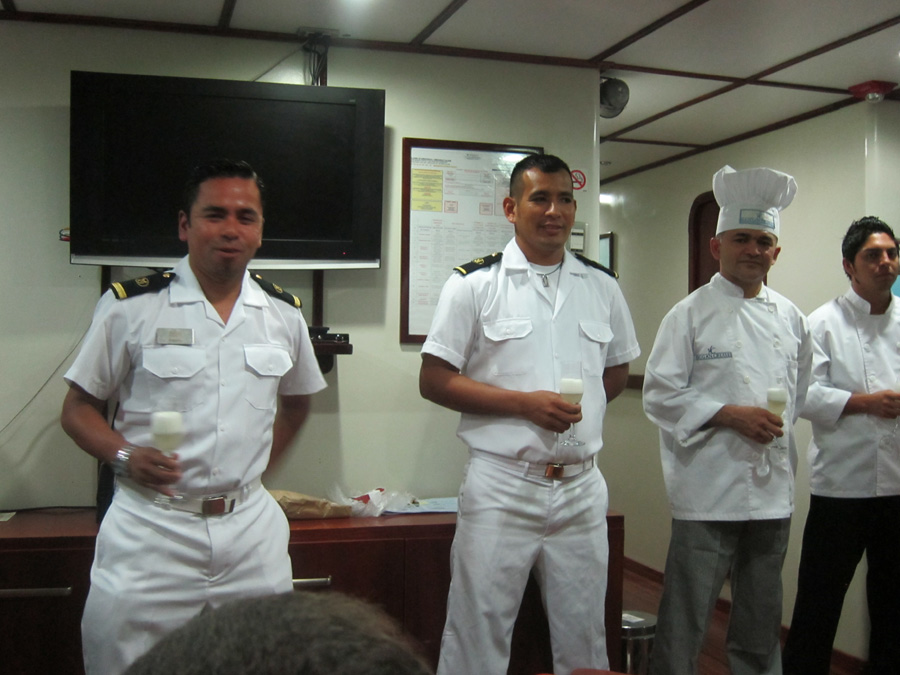
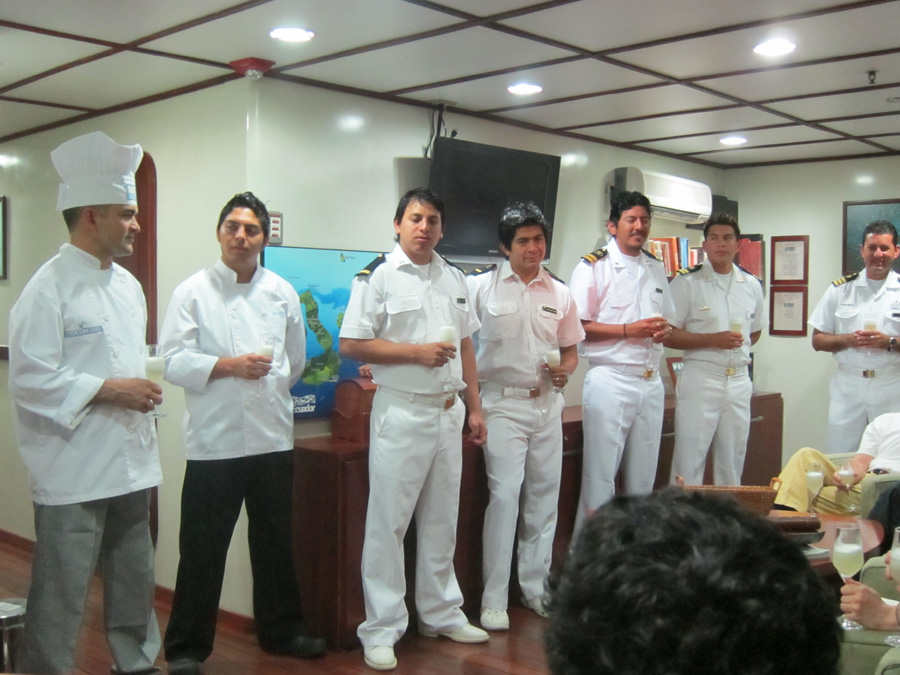
Back on board the Athala, this would be our last evening together, so the crew got into their formal wear, and Manuel served us up some delicious mimosas. It was kind of sad to realize that this fantastic adventure was about to end.
Eduardo, our cruise director, gave a little speech as we enjoyed our mimosas. It was a great crew.
This was the last time we would all be gathered together in the ships lounge. In the morning we DAY ELEVEN ~ North Seymour Island
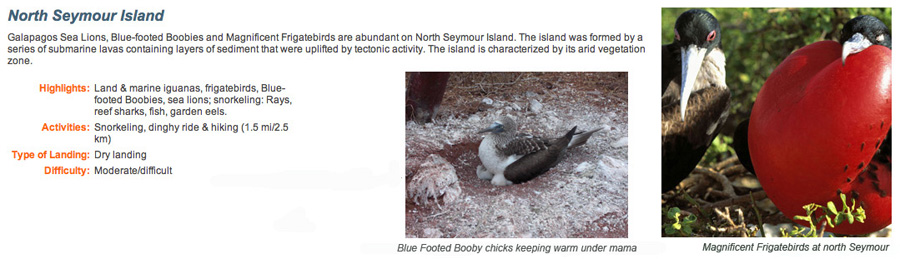
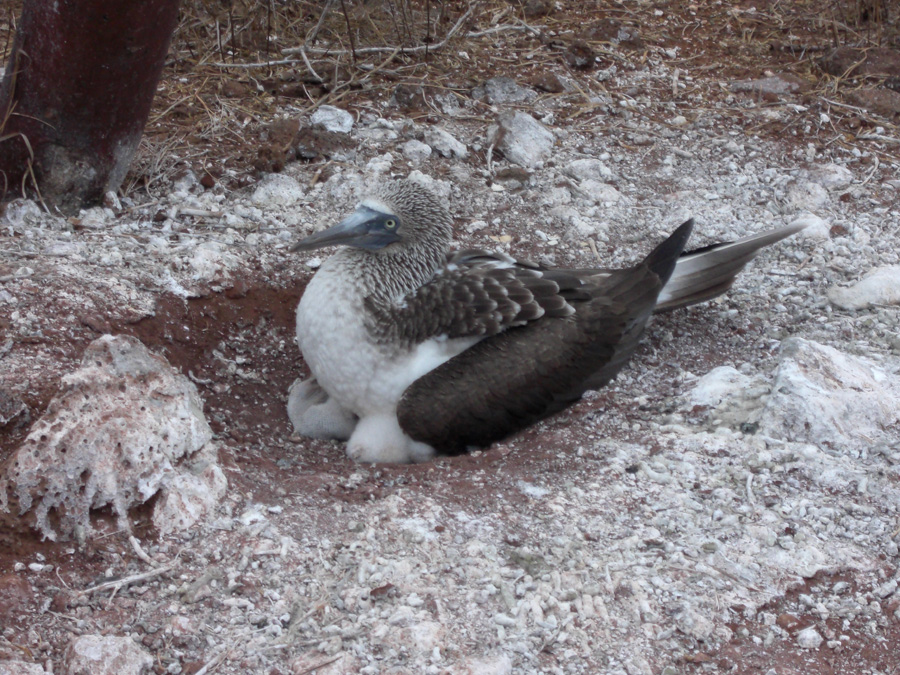
This female Blue Footed Booby sits in her nest, keeping her two chicks warm. Her nest is crude but functional.
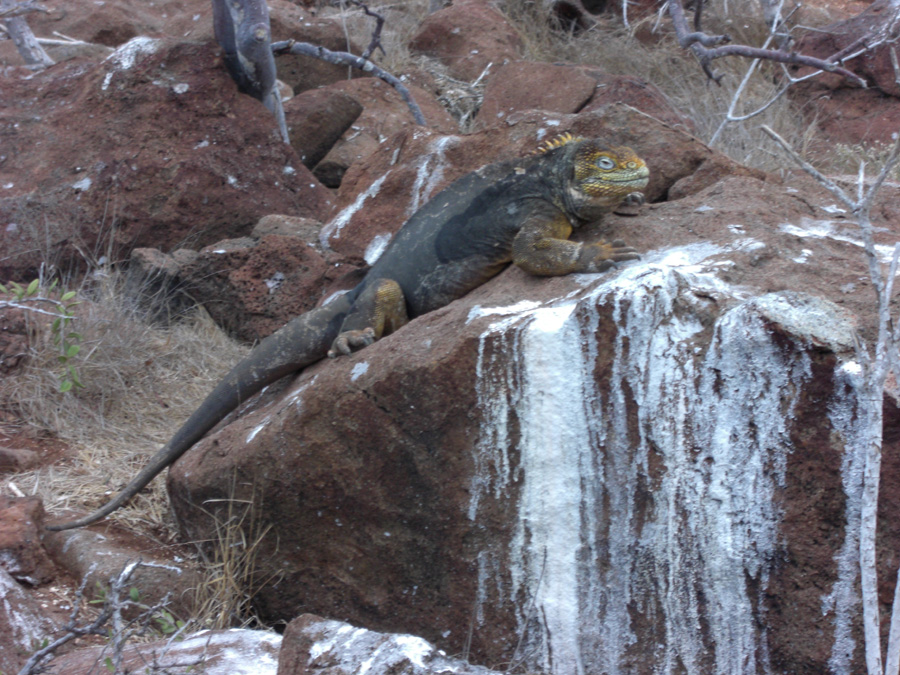
Not far from the Booby was this land iguana in search of food. Once prevalent on the island An amateur naturalist, Allan Hancock, intentionally introduced Baltra Island iguanas to North Seymour in the early '30s. Hancock, an eccentric American millionaire visited the archipelago several times on board his yacht "Valero III". Hancock noted the absence of these reptiles in North Seymour, and despite the distance that separates Baltra from North Seymour, he felt it was easy to overcome for the iguanas. He decided to carry about 70 iguanas from one island to another. He returned the following year and found that the iguanas on North Seymour were fine, but probably due to the limited availability of land for nesting, their numbers had not increased. Meanwhile feral goats continued to represent strong competition for the remaining iguanas on Baltra. This, together with the establishment of a U. S. military base during World War II, altering their habitat, led to the disappearance of land iguanas on Baltra Island. It is worth noting that this is the largest race of the species Conolophus subcristatus. I think they have eradicated the feral goats on Baltra, and reintroduced the Baltra iguana there. And I suppose we have Allan Hancock to thank for that.
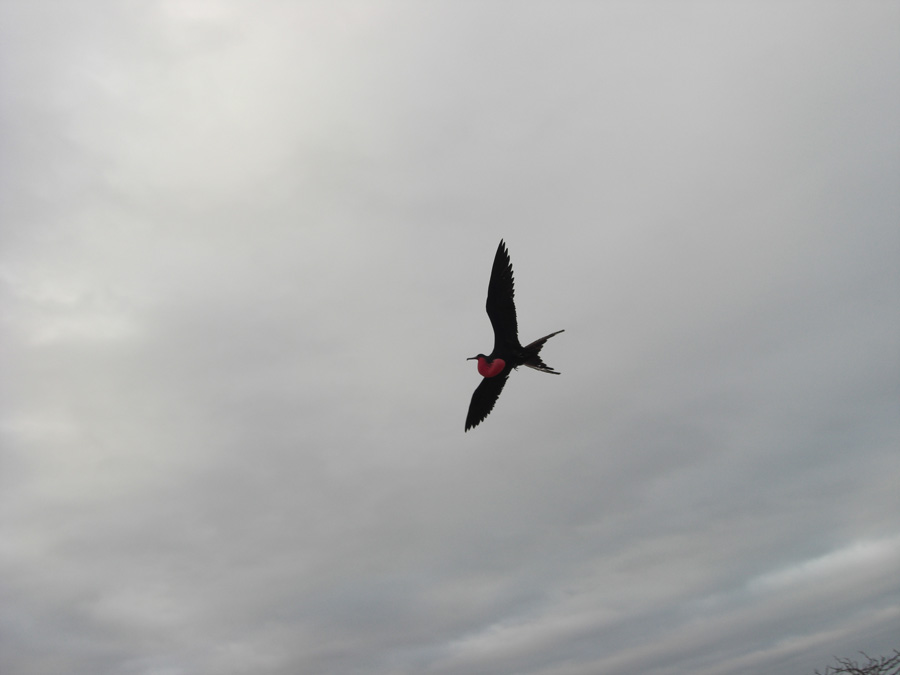
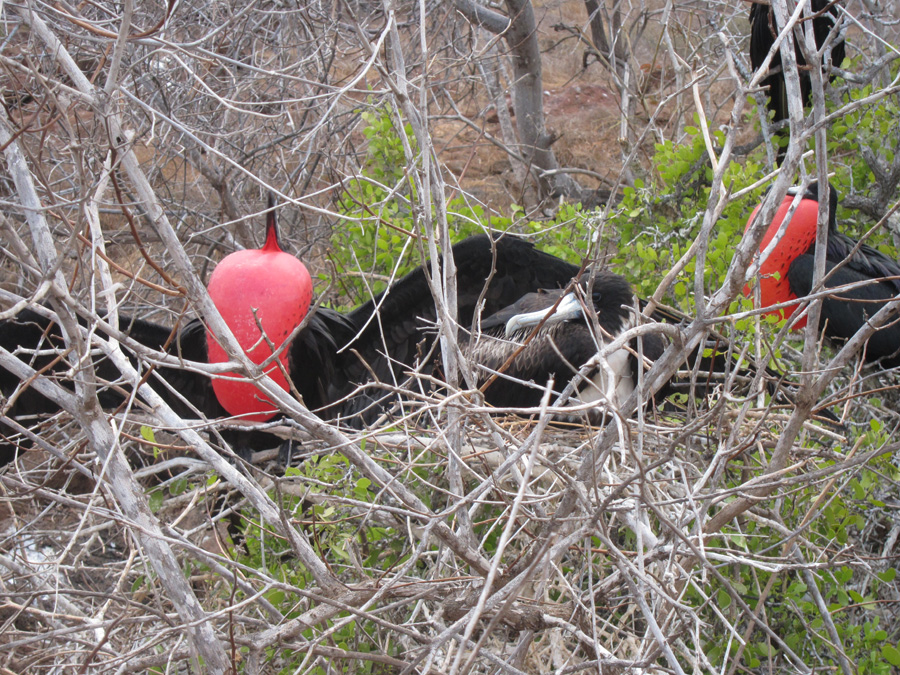
A frigate bird in flight, with his throat pouch inflated. The red pouch is used in mating rituals.
I suppose this display is very exciting to a female frigate bird. In flight the inflated pouch must wreak havoc on aerodynamics.
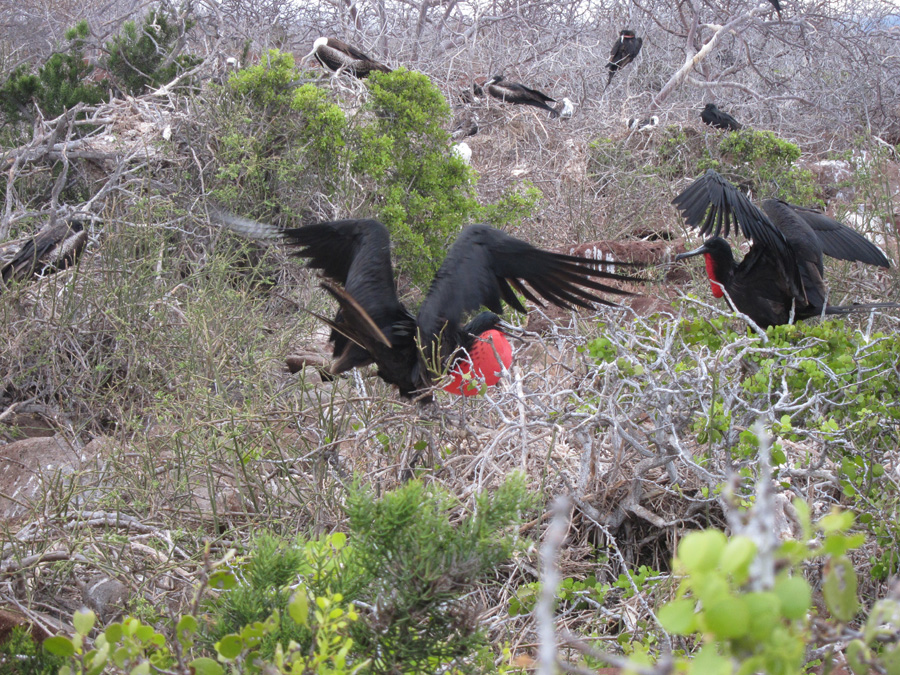
This female seems to be favoring the male on her right. He seems to be putting a lot more pizzaz into it.
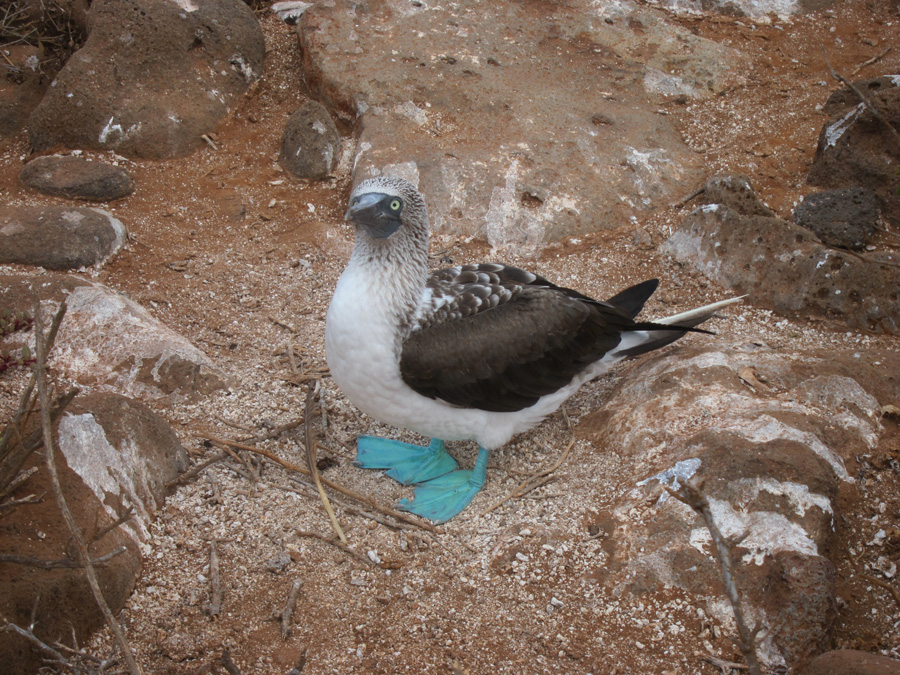
Another Blue Footed Booby standing in her nest, but no chicks (or eggs) yet. The color of their feet amazes me. Well, time to close this chapter. I'm getting close to the end, but there will definitely be a Chapter Twenty-Two, and possibly Twenty-Three. Sorry! |
|||||||||||
|
|||||||||||