|
|
|
|
|
|
|
|
|
|
|
||||||||
|
||||||||||||||||||
|
Email us at: |
||||||||||||||||||
 |
||||||||||||||||||
 |
 |
|||||||||||||||||
|
Click the sun to see the |
||||||||||||||||||


 |
|||||||||
|
|
|
|
|
|
|
|||
|
|||||||||
|
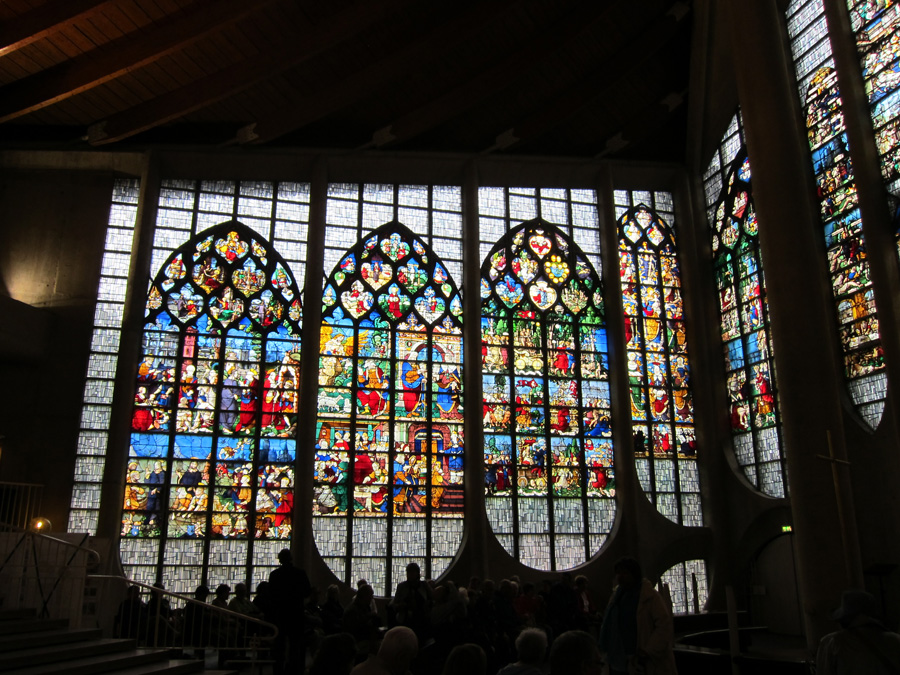
Part 7 Continuing our visit to the Saint Joan de Arc church, the left wall windows are as impressive as those on the right of the pulpit.
These windows were once in the Church of Saint Vincent, a much larger structure, and the windows were further from
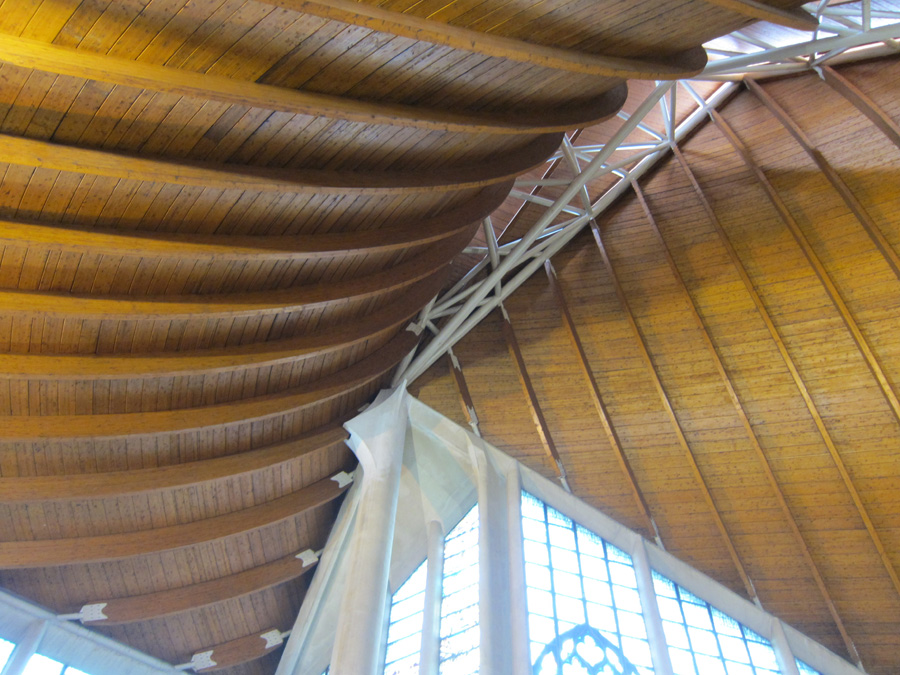
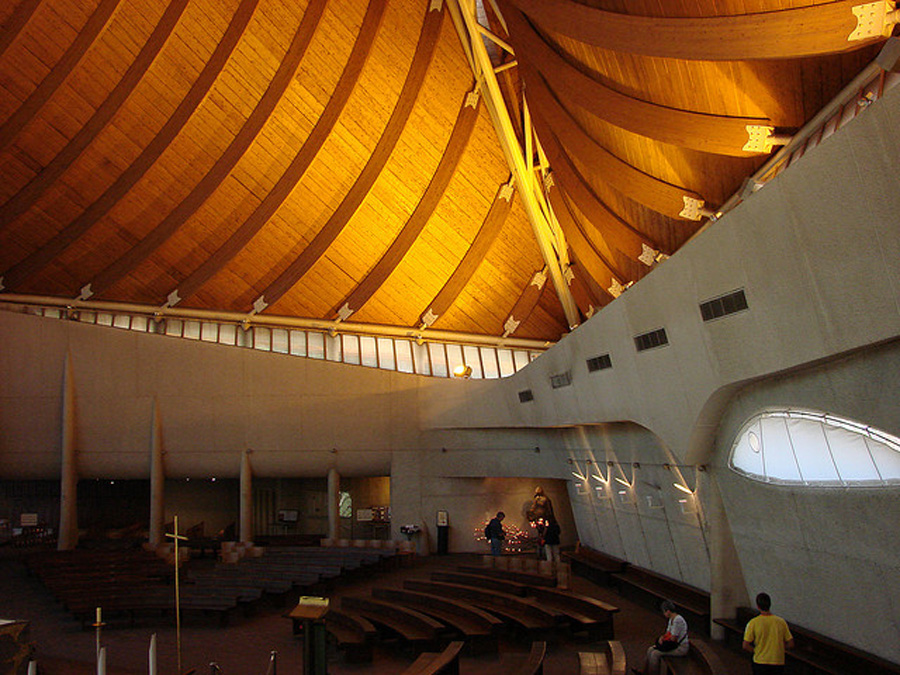
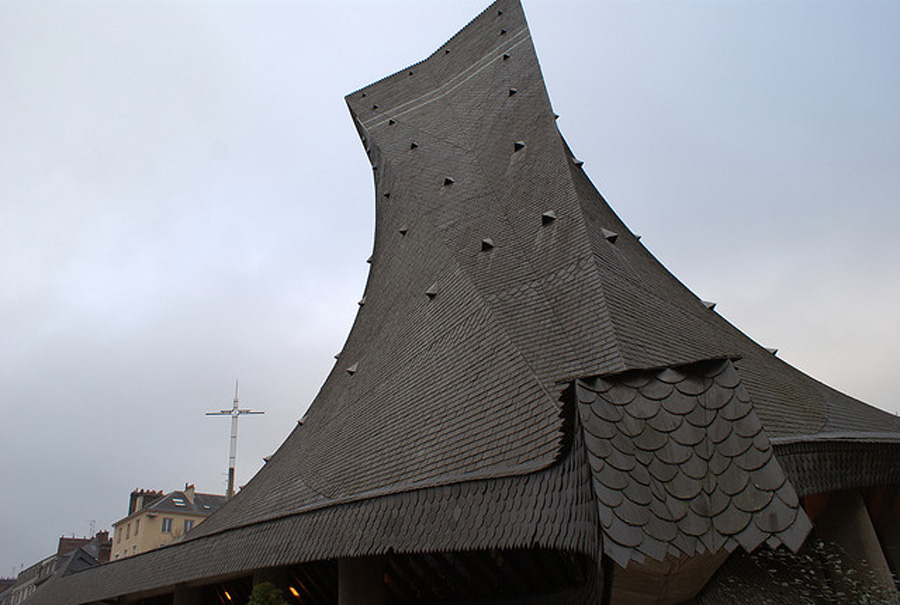
You get the feeling that the ceiling is the inside of a huge ship turned upside down.
The interior is a warm spacious and environment, although the seats were not meant for relaxing. No leaning back.
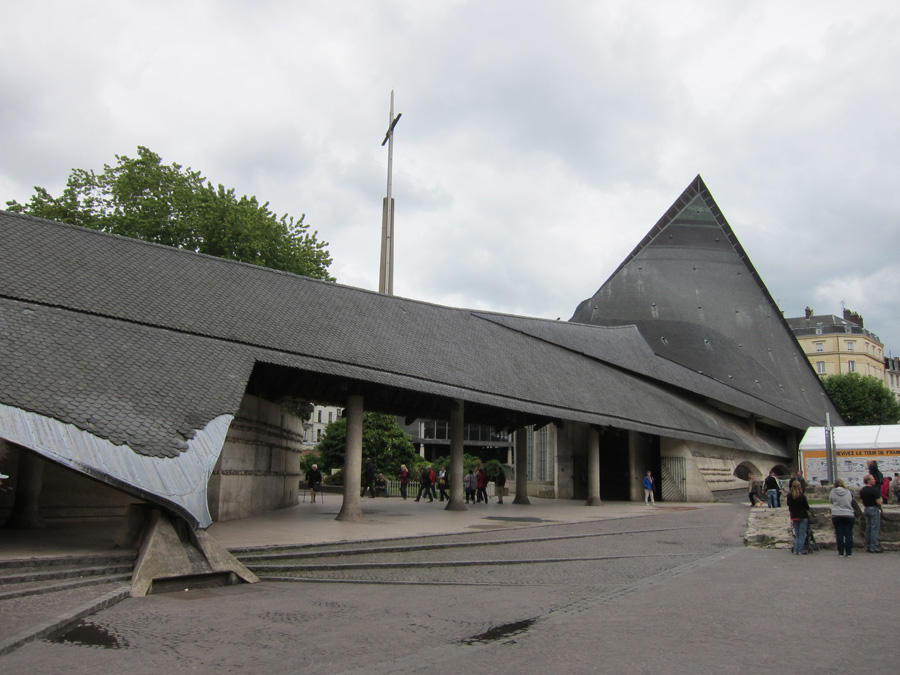
The shape of the roof was quite unique, but then most of the buildings in Rouen were unique and beautiful.
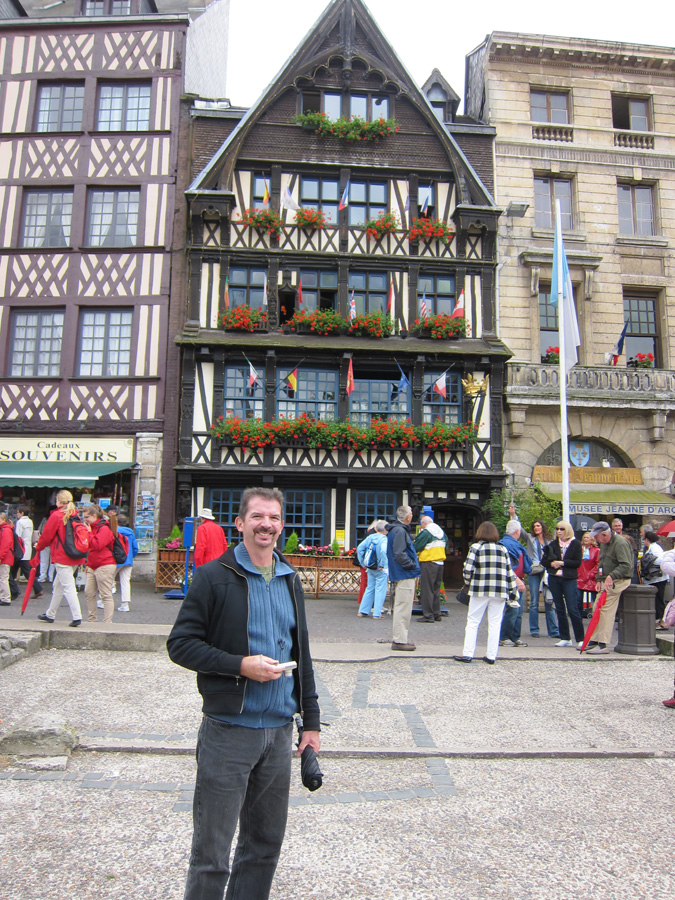
Notice that we carried our umbrellas with us, as you never knew when it was going to rain.
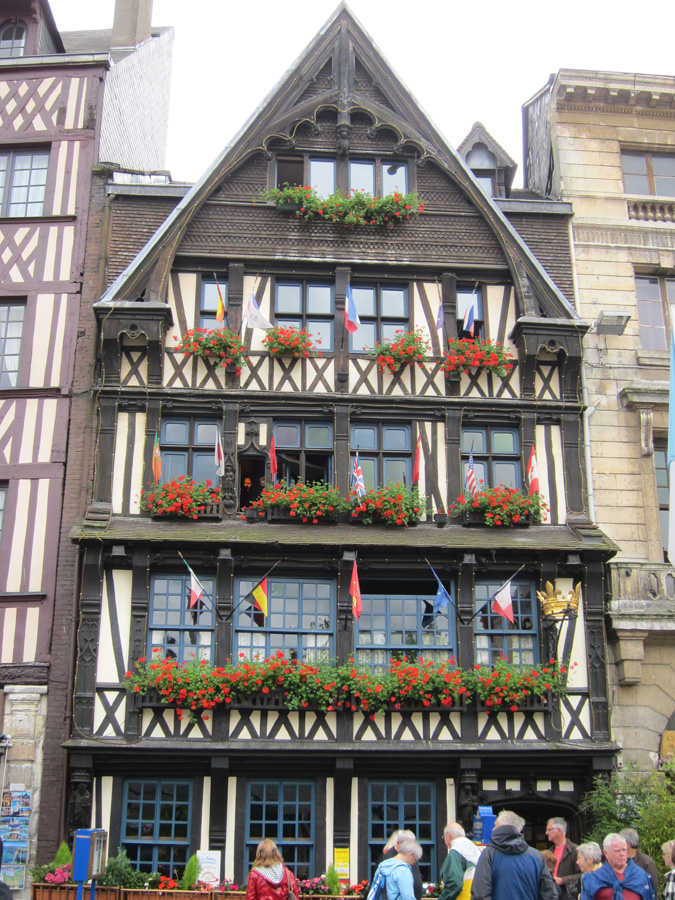
We had a wonderful walk around the town of Rouen, which has a population of about 500,000. We returned to the ship and did the usual cocktail hour and daily briefing followed by dinner. We remained docked in Rouen overnight, and the next day we went by motor coach to the beaches of Normandy. Rouen is approximately midway between Paris and the beaches, so it was a good drive through the most enjoyable countryside. We left at 8 AM and didn't returned to the ship until 6:45 PM.
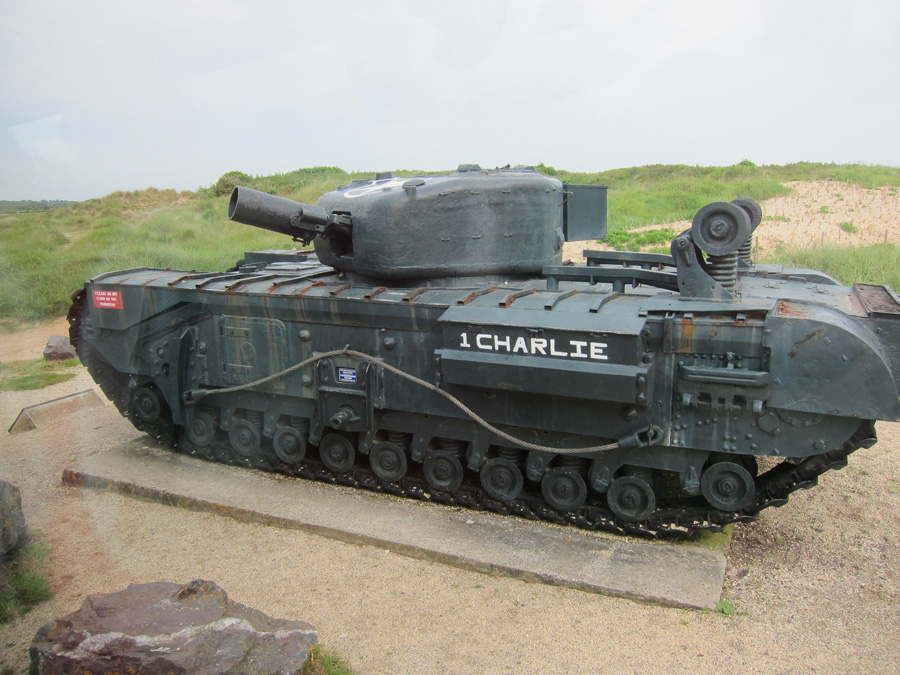
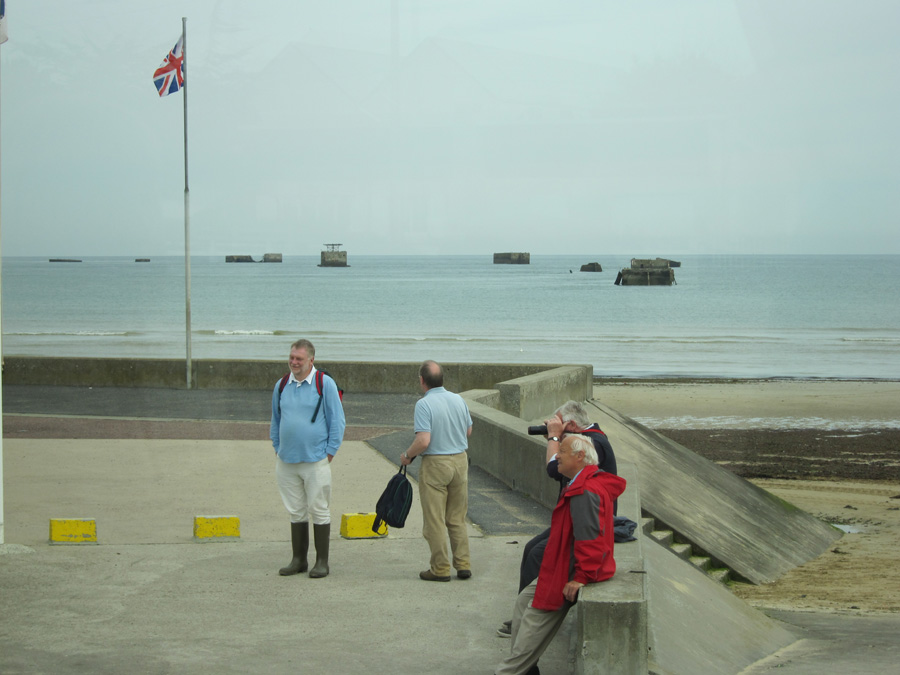
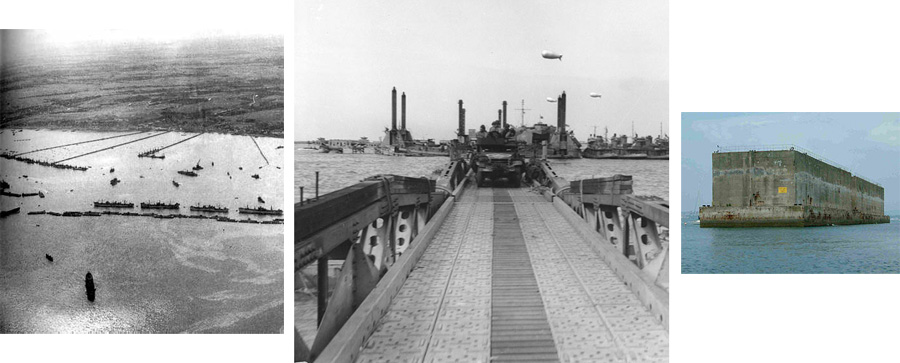
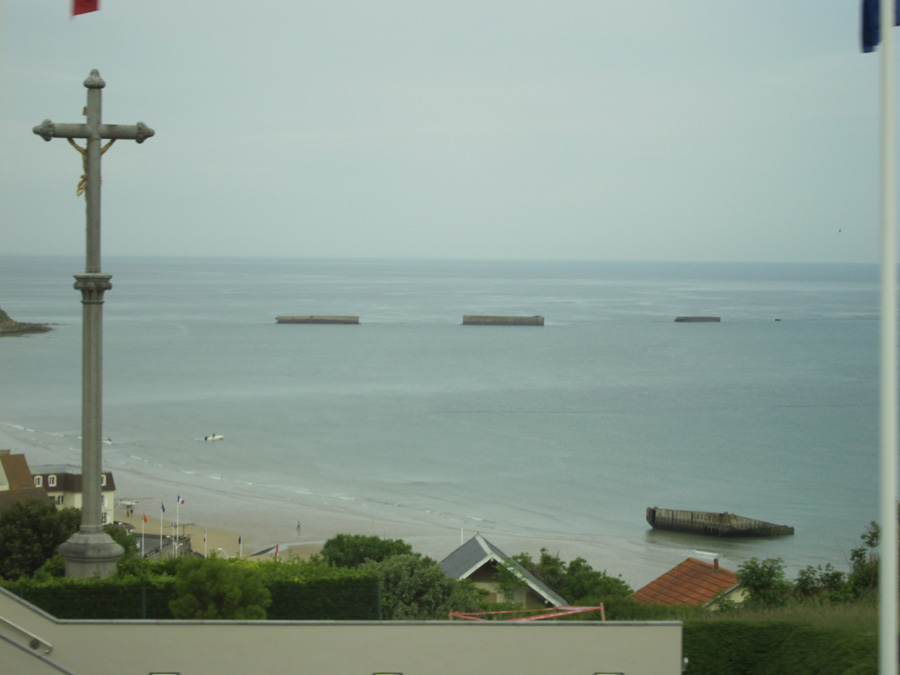
This tank was a solemn reminder of what took place here 68 years ago. Discussing the prospects of an invasion, it was obvious that Hitler had a firm grip on all the ports of entry. So, Winston Churchill said, if we can't use an existing port, then we shall have to create our own. And that's exactly what the British did. This is a fact that I never know about the Normandy invasion. An enormous number of huge rectangular concrete and steel boxes were constructed. The British floated them across the English Channel and used them to create a harbor from which the ships could safely offload their human, machine and supply cargos on the beaches at Normandy.
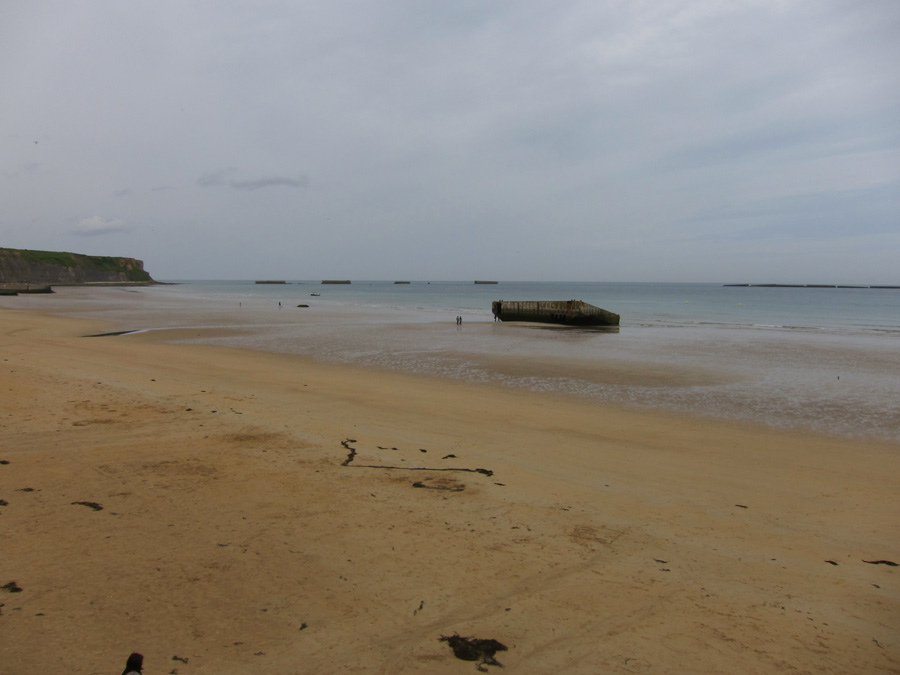
In the background you can see what remains of those huge concrete boxes. It is my understanding that they were
The Mulberry Artificial Harbor at Gold Beach, Normandy, June 1944
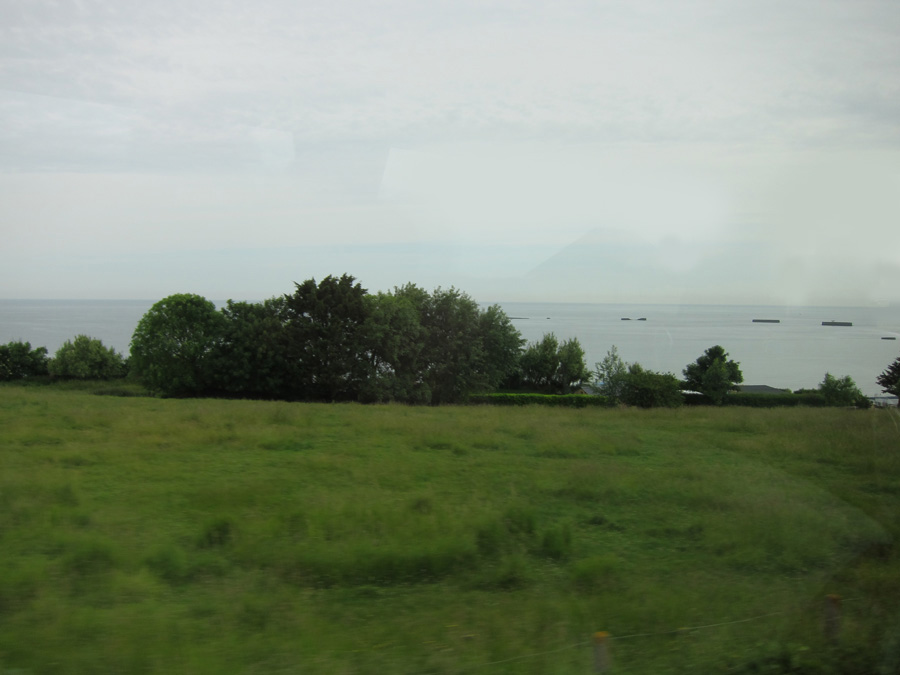
Today we see a pastoral scene of lush green fields, and in the distance what remains of the artificial harbor of June 1944.
Such a peaceful scene, but one that is marred by some of the most terrible memories.
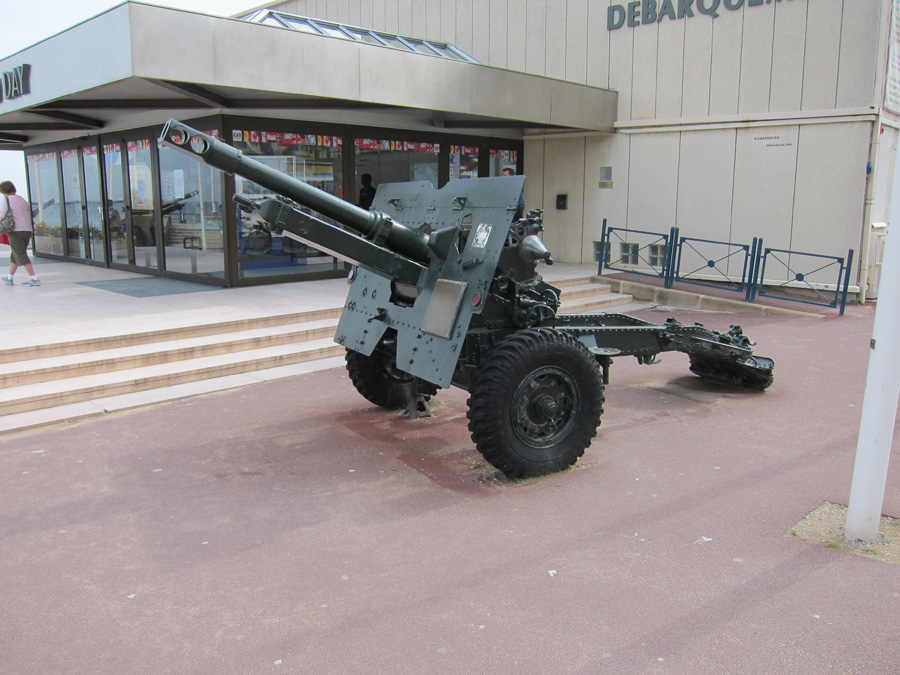
A cannon placed in front of the museum commemorating those fateful days in June 1944. I am currently reading a very interesting book by Ben Macintyre, DOUBLE CROSS The True Story of the D-Day Spies. Briefly, it tells of the spies that Hitler had sent to England to send back information of British intentions and plans. British intelligence captured all of them, and gave them the option of becoming double agents, or being executed. None chose execution. This book tells of how the Germans were misled into thinking that the actual invasion would be at Calais instead of Normandy, and hence Hitler sent the bulk of his armies to that area to repel the attack. The British did an amazing job of feigning the attack coming from Dover to Calais. Also, Hitler thought that the attack may possibly come via one of the protected harbors in France, so he had many of his men fortifying the protective forces at these various ports. He was spread pretty thin, as there were so many places vulnerable to a landing force.
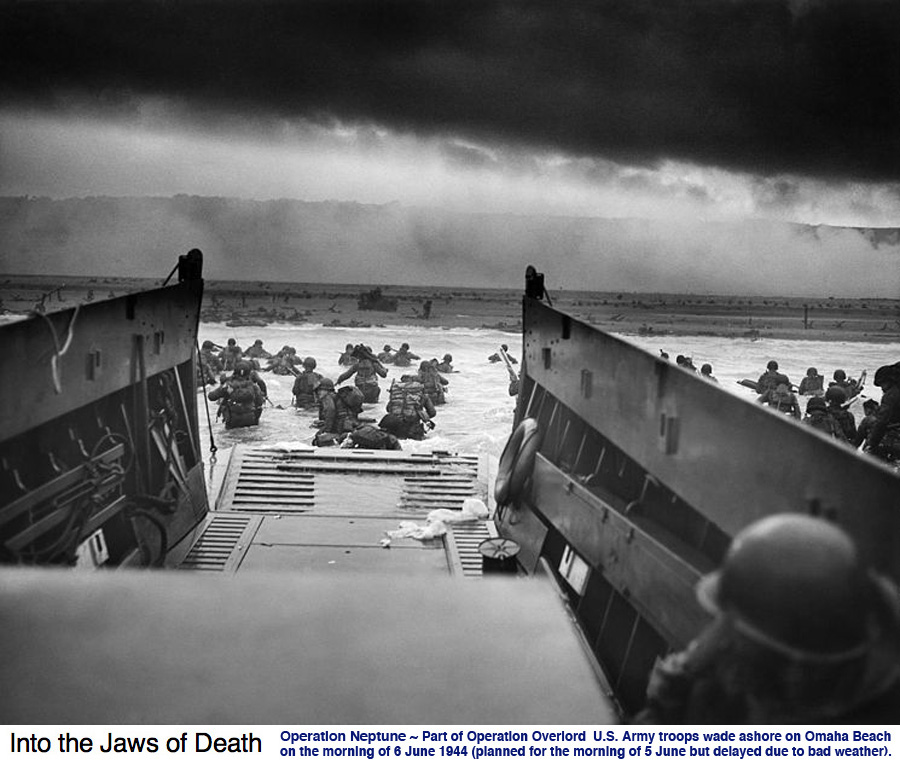
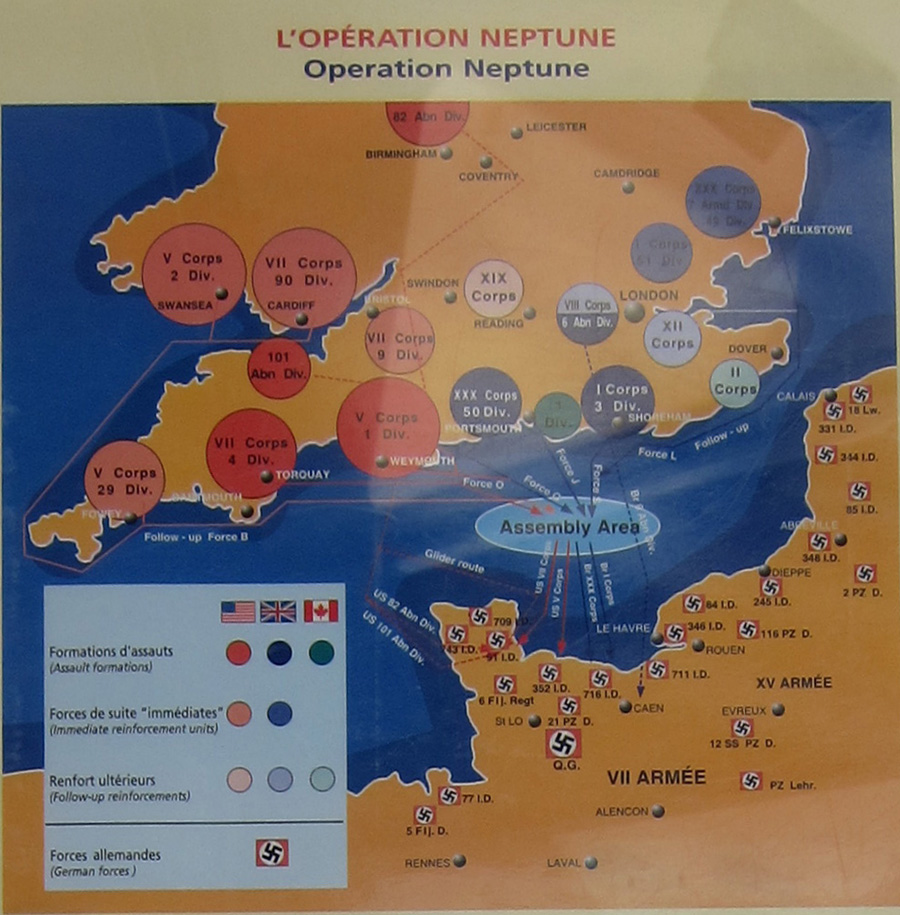
This is one of the maps in the museum which shows how Operation Neptune was carried out. Sorry for the glare.
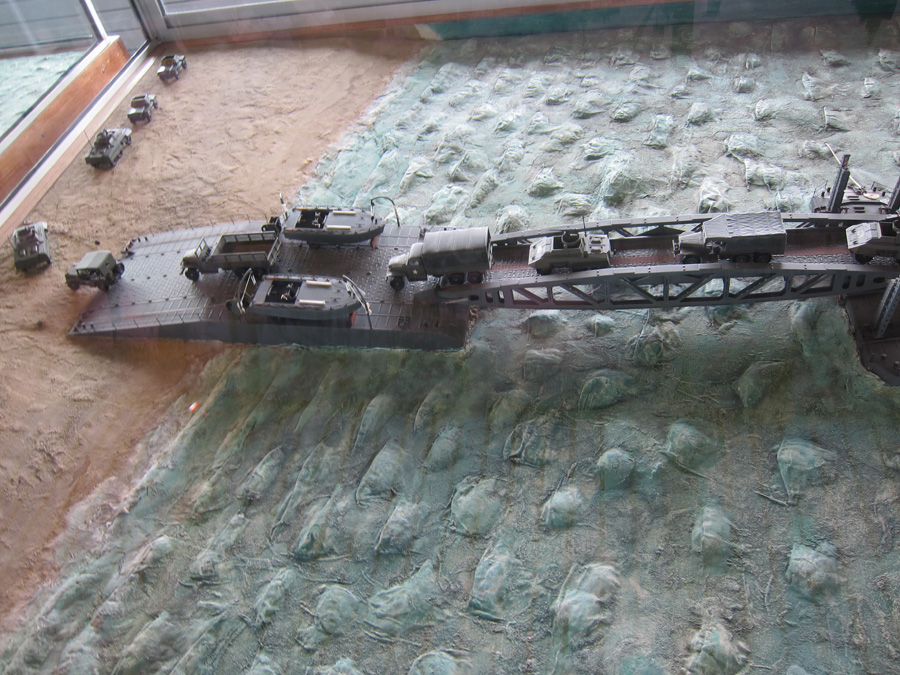
In the museum there were elaborate scale models showing how the equipment and supplies were brought ashore.
To actually walk on the same sandy beach where literally thousands of American soldiers came ashore on that fateful
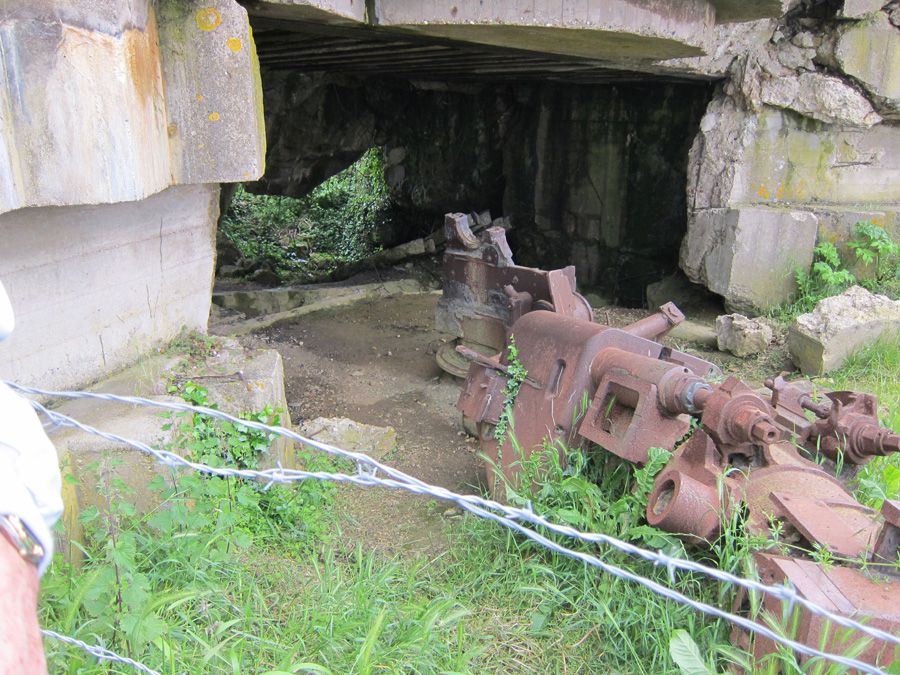
One of the bunkers that took a direct hit by bombs dropped prior to the invasion, to soften the resistance.
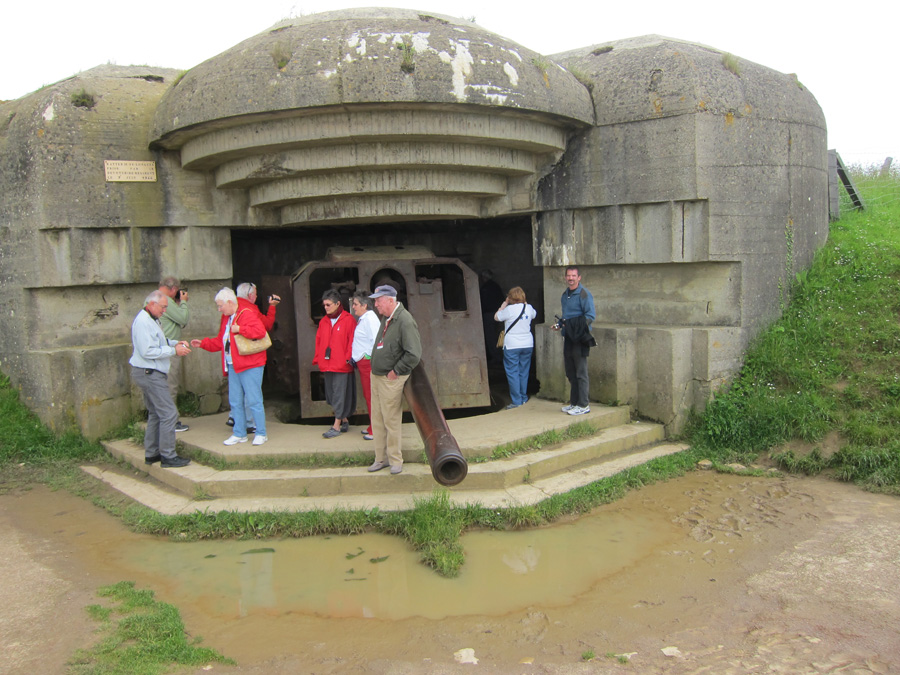
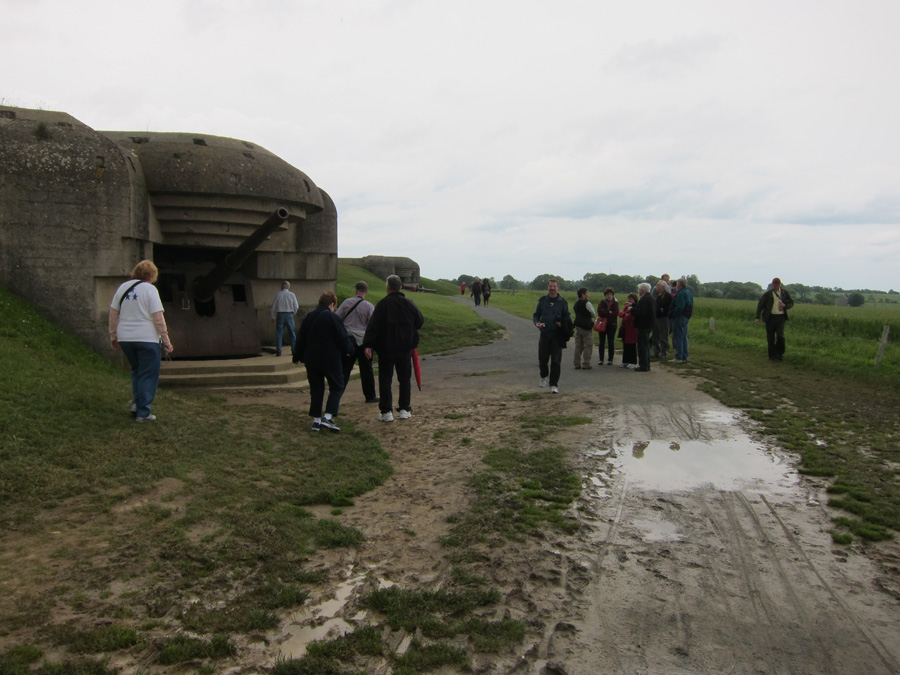
A bunker that escaped the bombing, with its canon is still intact. How ominous the invading forces must have looked to
The hills facing the beaches were literally lined with these huge bunkers with their canons firing a constant barrage In Part 8 I will take you to see the U.S. Cemetery, a very moving experience indeed. |
|||||||||
|
|||||||||