 |
|
|
|
|
|
|
|
|
|
|
||||||||
|
||||||||||||||||||
|
Email us at: |
||||||||||||||||||
 |
||||||||||||||||||
 |
 |
|||||||||||||||||
|
Click the sun to see the |
||||||||||||||||||


|
 |
|
|



|
|
|
|
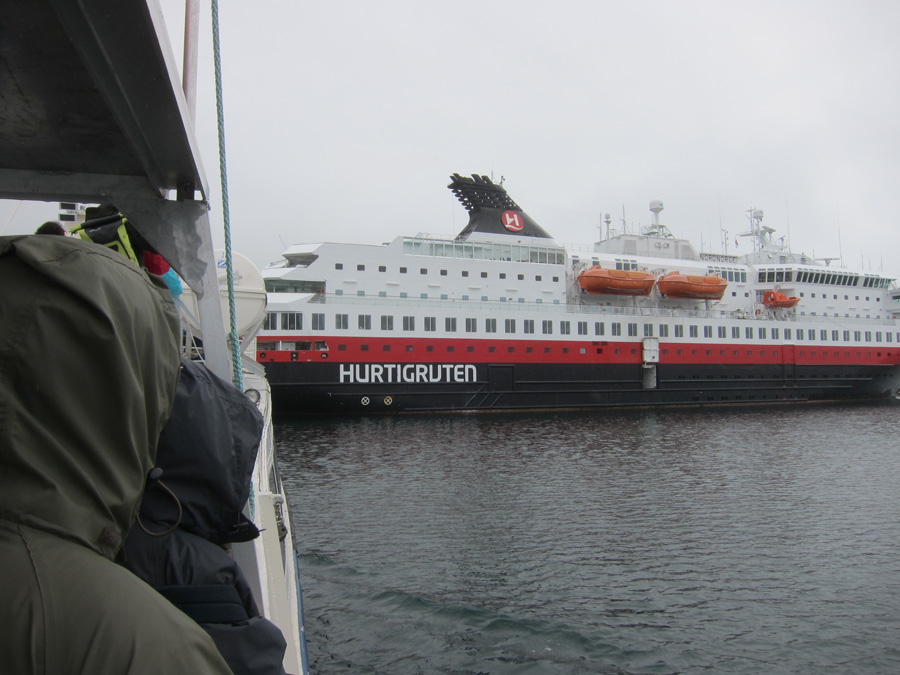
We arrive at Stamsund at 7:00 PM and immediately depart in a smaller boat for Borg and from there by bus to the Lofoten Viking Museum.
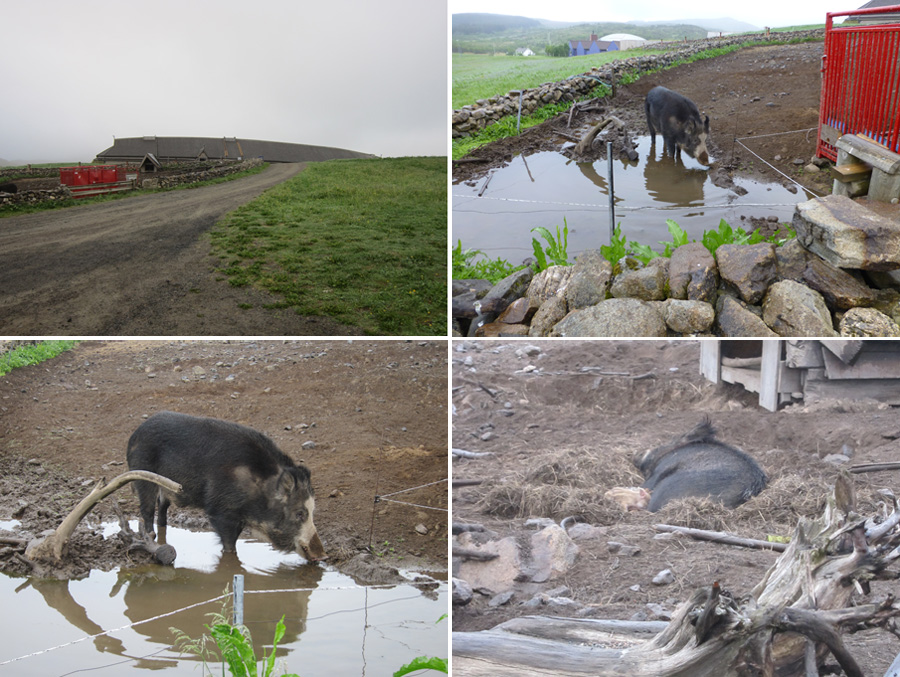
It is a heavily overcast day, and we are all bundled up against the cold. It may be the beginning of summer here, but at N68° it is mighty chilly. You can see the small hatch still open on the Nordnorge, which we used to board this smaller boat for going ashore at Stamsund. The Nordnorge is continuing on to Svolvaer, where we will catch up to her after our Viking Feast at Lofoten. This building, the largest Viking building ever found, was the original Chieftain’s house, recreated to exact dimensions right next to the actual archeological find. The original Chieftain’s house was established in about 500 AD and was inhabited until around 900 AD. We are greeted by a family of pigs. The piglets are just visible nursing at the sows belly.
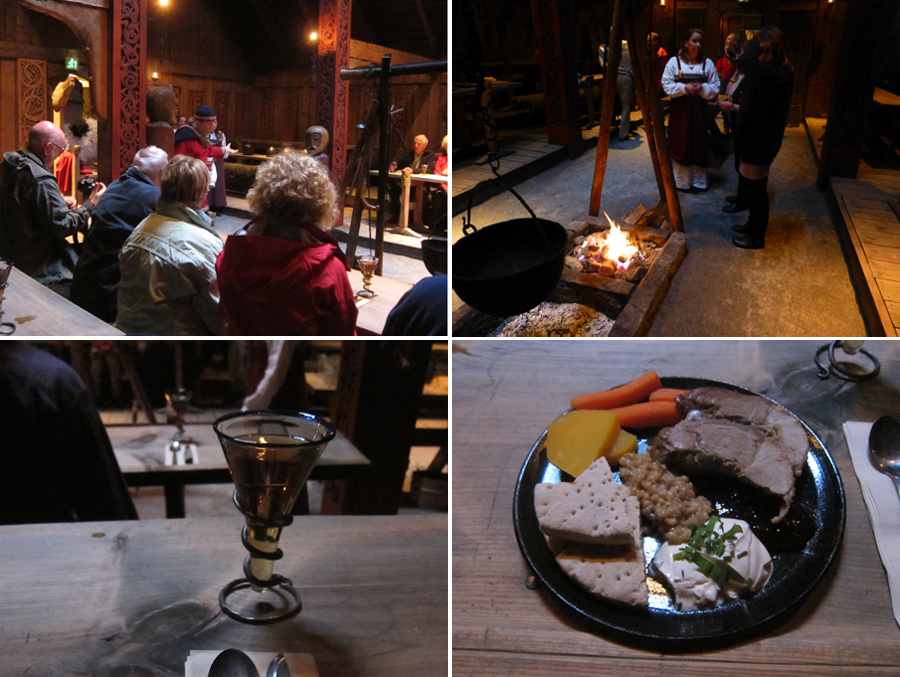
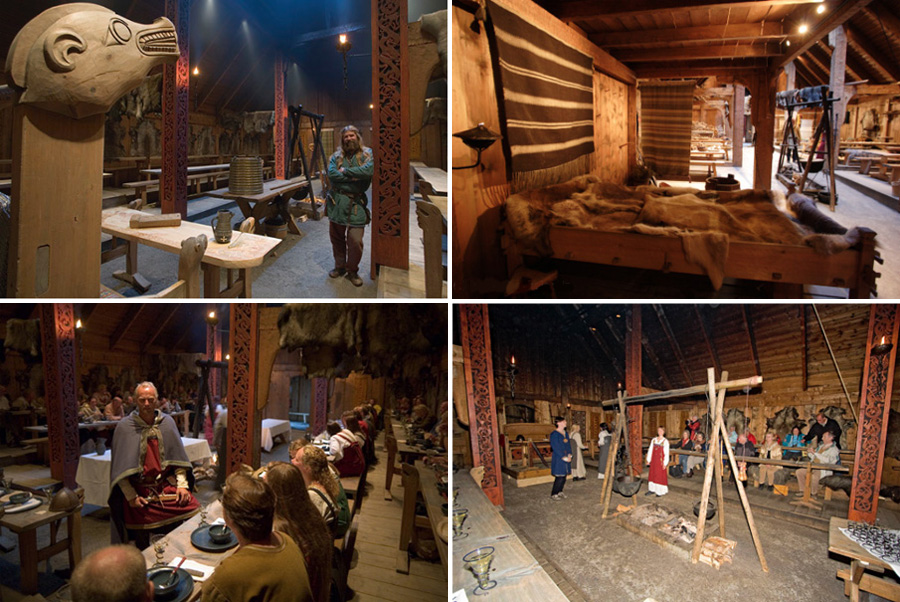
The thought came to me of how much Pete and I enjoy cochinillo (suckling pig) at the restaurant Domingo’s near us on Juncal. We haven’t been there for quite a while, but they used to have cochinillo every Wednesday night. Inside the Chieftain’s house, which was VERY large, they sat us at benches along both sides of this huge banquet dining hall.
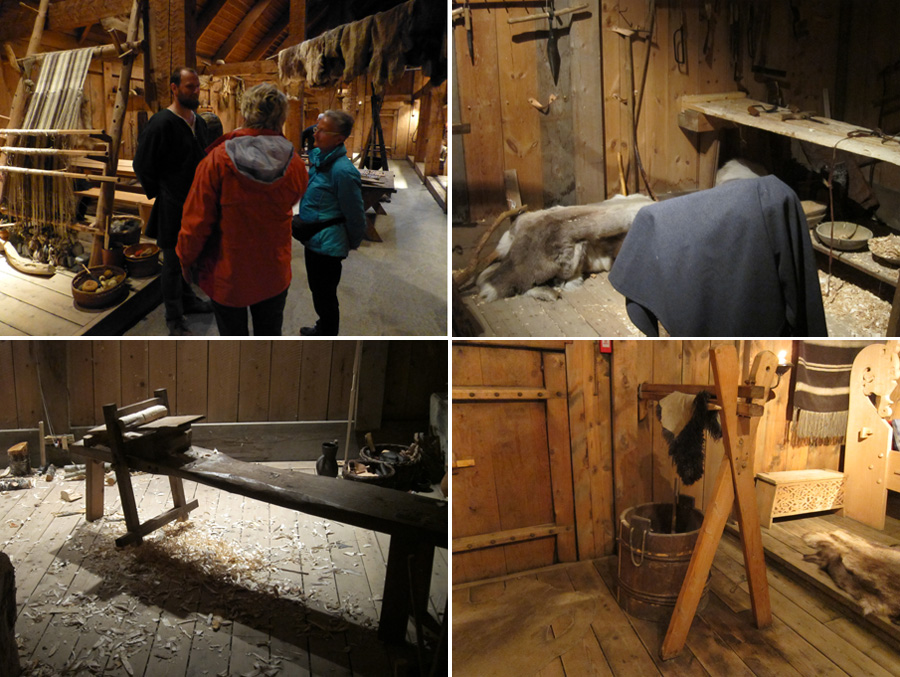
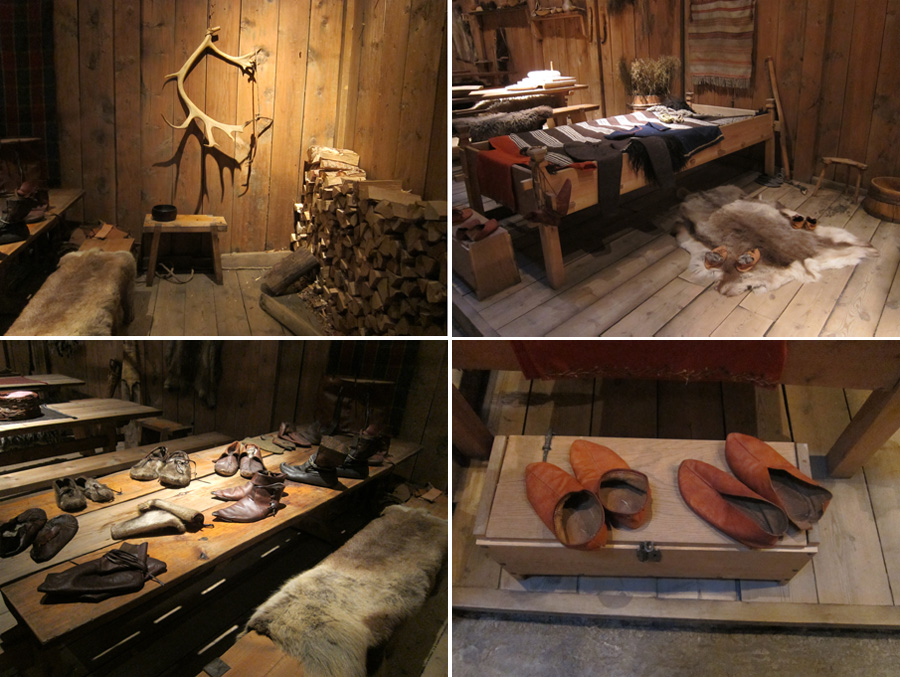
We were served home-made mead, an alcoholic beverage made by fermenting honey in water with fruits and grains, and a delicious plate of roasted meat with vegetables, bread, beans and some sort of cheese. Everything was delicious, but it didn’t hold a candle to our chef on the Nordnorge. We did however enjoy the novelty of an ‘authentic’ Viking meal, preceded by a prayer given by the lady of the house, and a sacrifice made to the Gods, praying that the sun will return to avoid Armageddon. Remember, in winter the sun stays below the horizon, bathing the land in perpetual night. After our meal, we enjoyed a tour of the rest of the house, and it seemed that the Vikings did everything inside this hour, from wood working and the tanning of skins, to the making of shoes and other necessities for surviving in a harsh land.
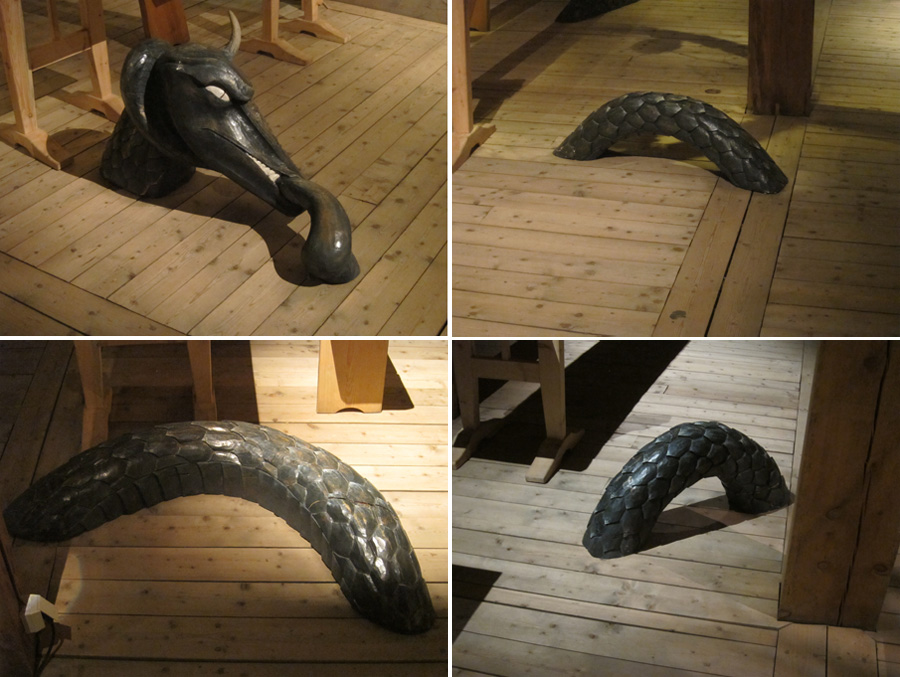
Of course what’s a good Viking legend of dragons and sea serpents without props to illustrate it.
It is difficult to capture the size of the interior of this very large house, but I’d guess it was nearly as large as a football field.
With no television or computer games to distract them, the Vikings were very busy at just surviving, and providing for themselves. With no Wal*Mart to go to for goods, they had to manufacture everything themselves.
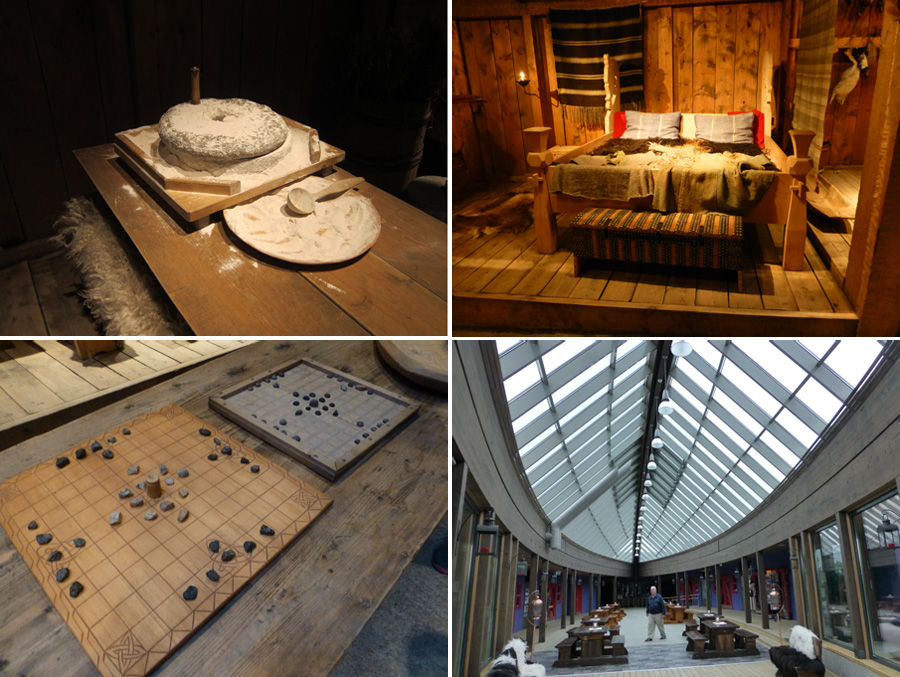
The flour below mill was a pretty cleaver device. The large stone was held in place on the grinding surface by a large pin in the center, where the grain was introduced through the hole, and the handle was used to turn the stone, and the resulting flower would flow out from between the two stones. I prefer just grabbing a bag of flour off the shelf at the grocery store. Boy, am I spoiled or what?
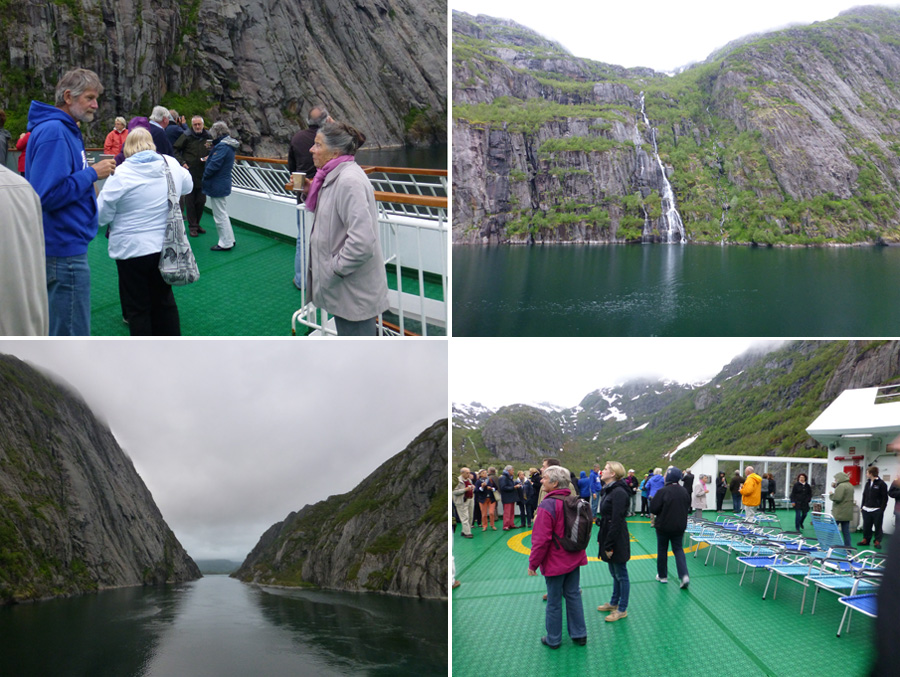
They did have board games to while sway the cold and long winters spent inside. And what’s a tourist attraction without the usual gift shop to pass through as you leave. This huge dining hall was part of a restaurant adjacent to the gift shop. We boarded our bus and were taken to Svolvaer to re-join the ship. We are now headed for Tromsø via Stokmarknes, Sortland, Risøyhamn, Harstad & Finnsnes. The scenery is beautiful, and everyone is on deck 7, with a cup of hot coffee in hand, and enjoying the views as we go.
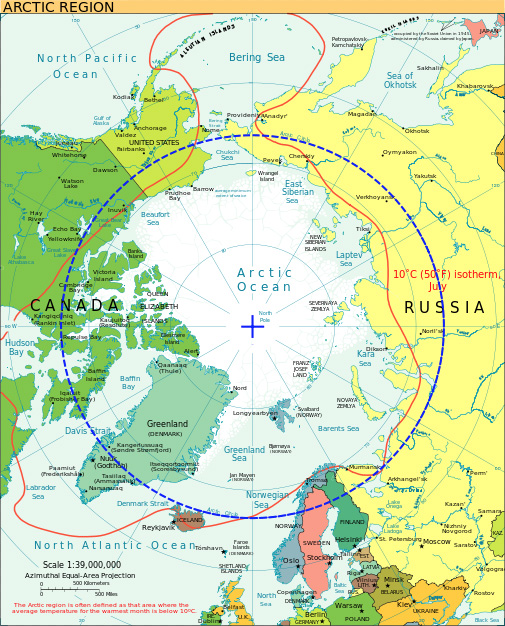
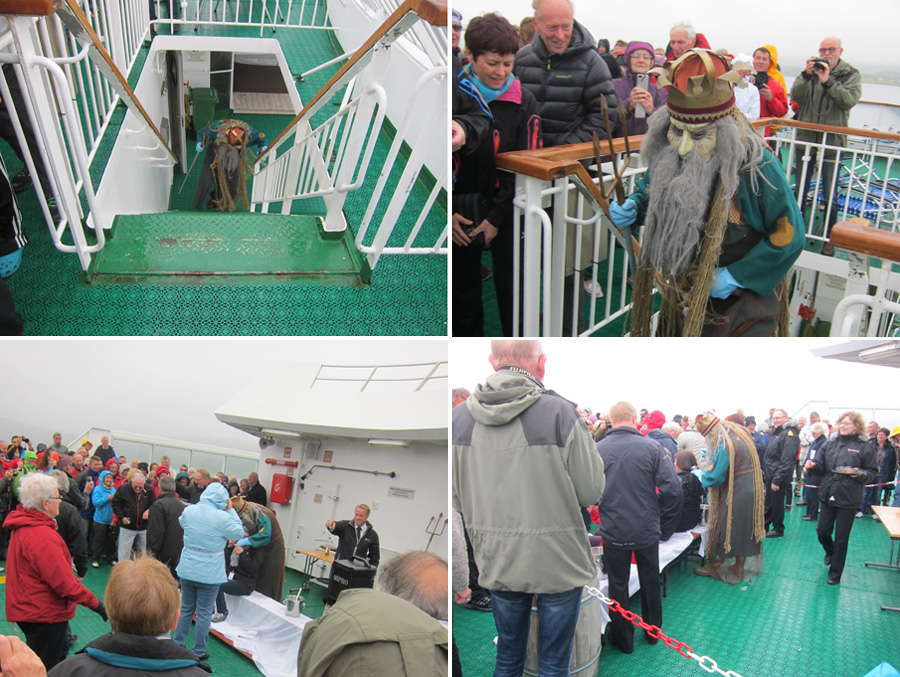
Tromsø is known as the Arctic Capital. Crossing the Arctic Circle is akin to crossing the Equator. There is a right of passage, and an initiation for those who are crossing it for the first time. We will be visited by none other than King Neptune himself.
And here he comes up the stairs from below deck. Notice how everyone is bundled up. It is pretty cold out on deck. The initiation was therefore less than inviting. You sat on a bench with your back to Neptune, and from the silver bucket he would scoop out a ladle of ice cubes.
He would then pull your collar back and dump the ice cubes down your neck. This was all voluntary, so like the good sailor I am, I did NOT volunteer. I did get a good laugh from the squeals emanating from the other passengers as they felt the ice running down their bare backs. Tromsø is the largest town north of the Arctic Circle. Our shore excursion here includes a visit to Polaria center, with an Arctic aquarium.
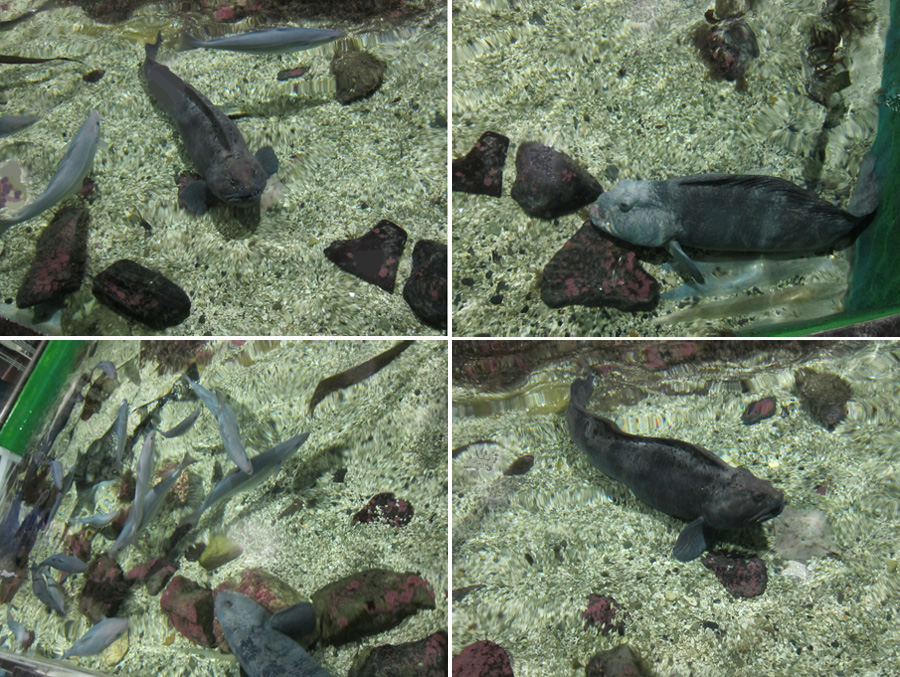
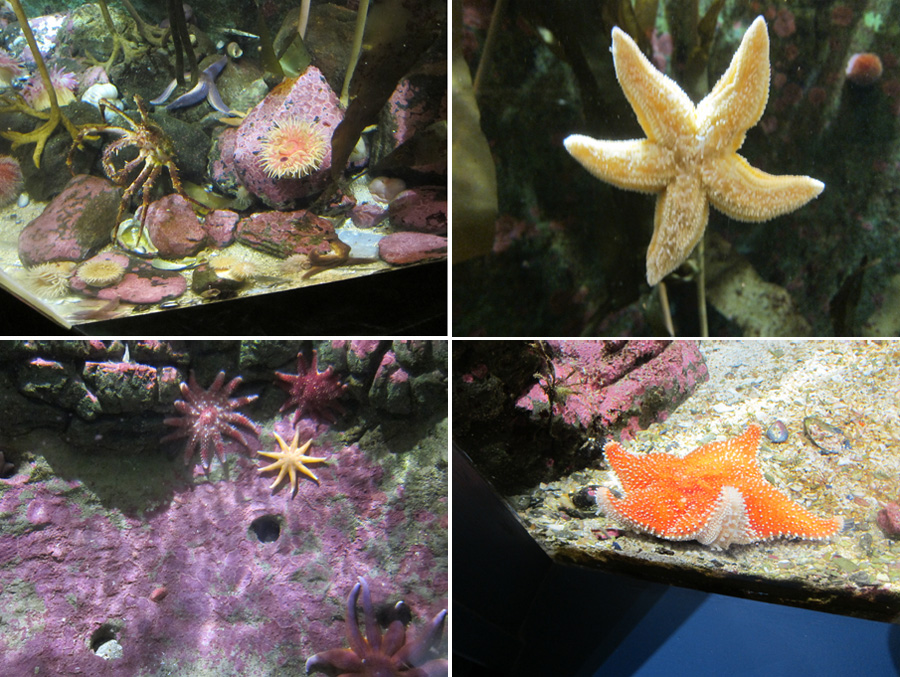
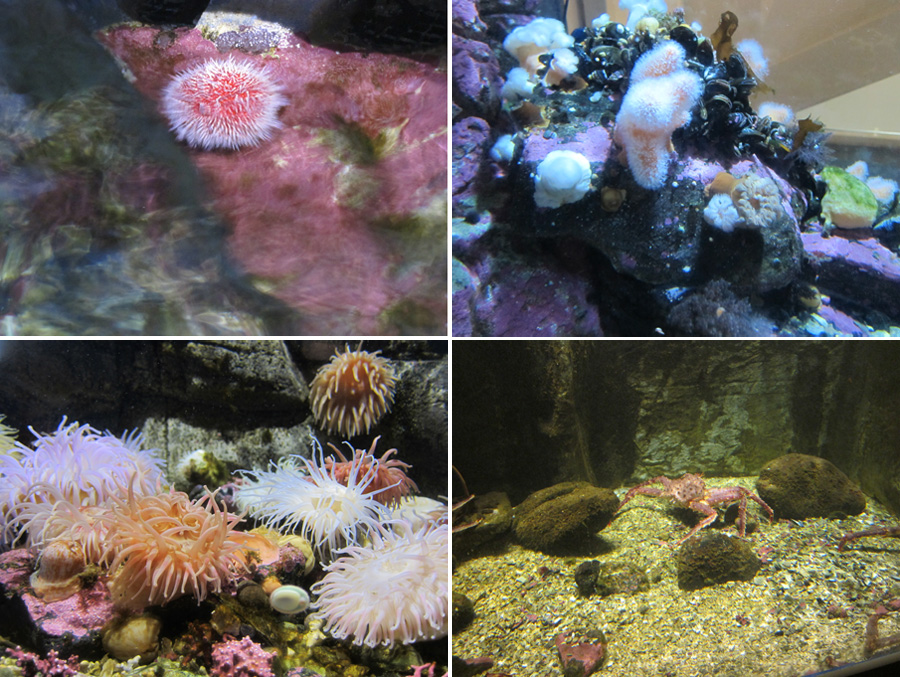
The aquarium had quite a variety of fish, and they were vastly different from what one would find at an aquarium in Hawaii.
The starfish were brightly colored, and the clarity of the water was so amazing, photography was really good.
The sea anemones were very colorful. I’m used to snorkeling in the Caribbean. I can only imagine how cold it would be to snorkel in the Arctic Ocean. Brrrr. It gives me the shivers just thinking about it.
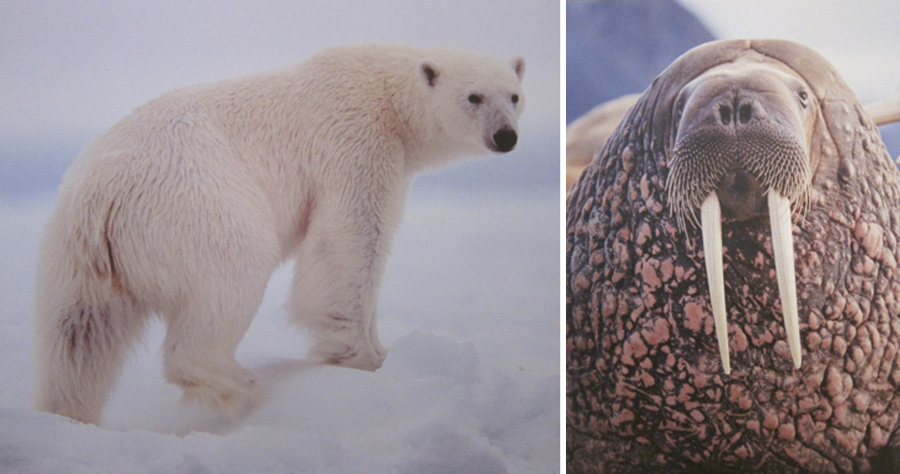
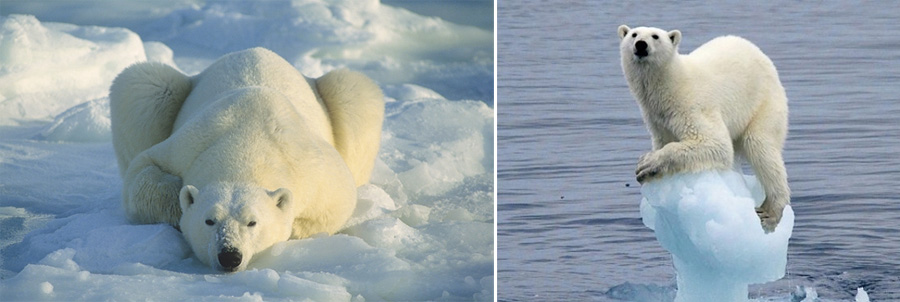
New evidence suggests that the polar bear, Ursa maritimus, or the sea bear, started to evolve about five million years ago from brown bear ancestors. Unlike their land-based cousins, polar bears are superbly adapted for survival in the Far North on a sea ice habitat. Polar bears top the food chain in the Arctic, where they prey primarily on ringed seals. Adult male polar bears weigh from 775 to 1,200 pounds. Females normally weigh 330 to 650 pounds. Although their primary diet is ringed seal, they have also been known to have a walrus for dinner, as the main entry, not a guest.
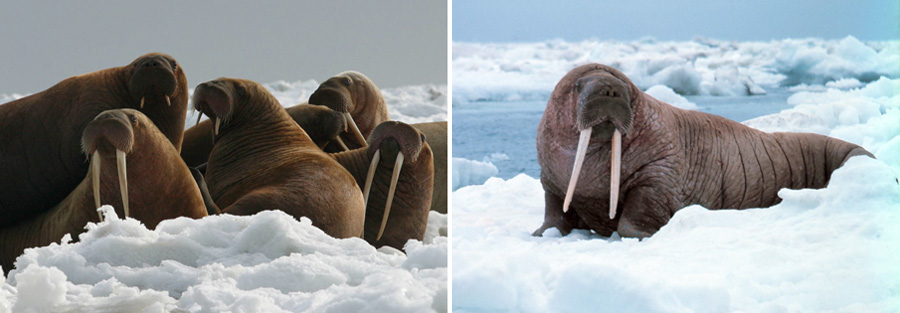
Polar bears hunt their prey by laying in wait near a breathing hole in the ice which seals use to come up for air. The poor bear in the right frame above isn’t going to have much luck with seals from his precarious perch. We read a lot about global warming, and that the polar bears are running out of sea ice. This photo certainly lends credence to that statement. The walrus has flippers, and is a large marine mammal with a discontinuous distribution about the North Pole in the Arctic Ocean and subarctic seas of the Northern Hemisphere. The walrus is the only living species in the Odobenidae family and Odobenus genus. Adult males in the Pacific can weigh more than 2,000 kg (4,400 lb). They eat benthic bivalve mollusks, which the pry from the rocks with their tusks.
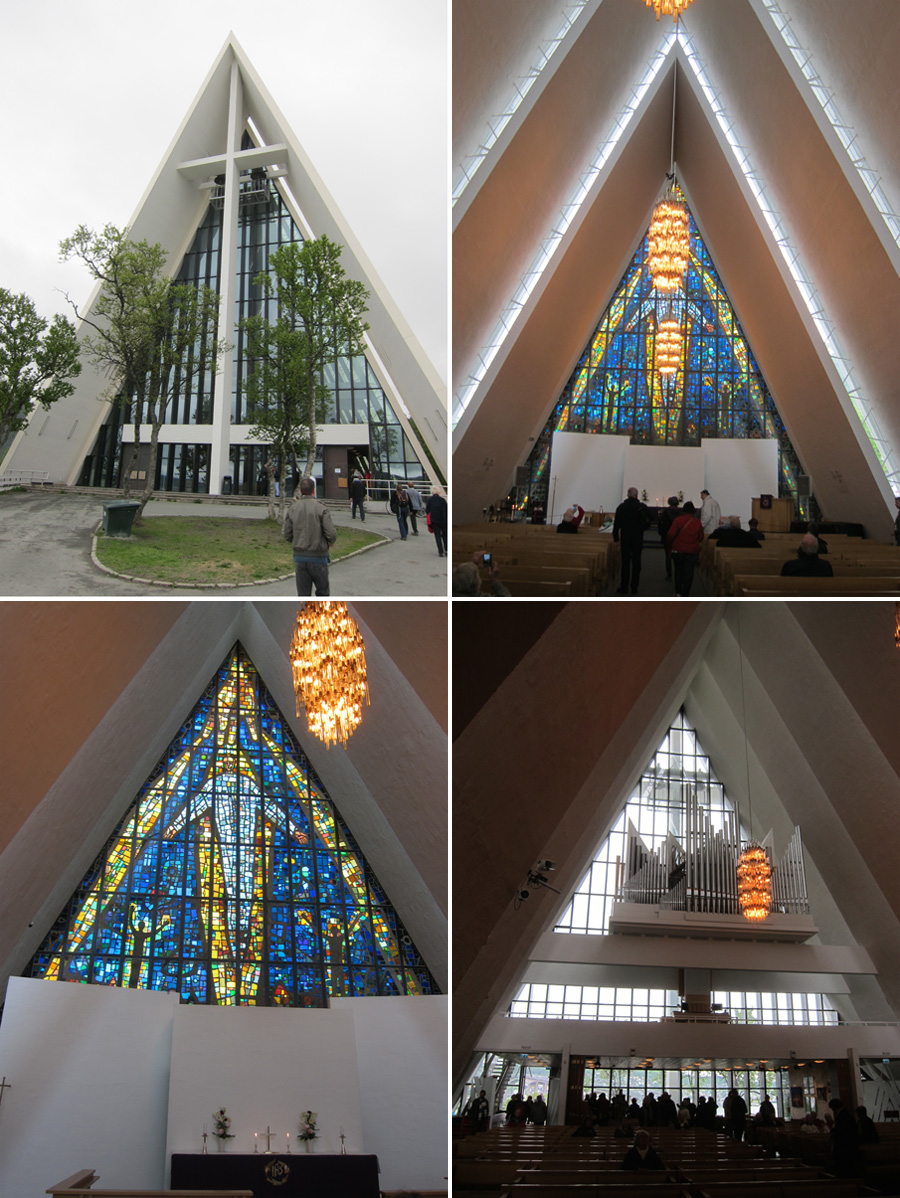
The Polaria center in Tromsø was certainly a wealth of information, and well worth the visit. I don’t know what it is about churches, but it seems that no matter where we travel, there is always a church as an attraction for tourists. Tromsø was certainly no exception, with its Arctic Cathedral, a uniquely designed structure for a cathedral. It boasts of having the largest stained-glass window in northern Europe
The huge pipe organ was set high above the congregation with the rear window as a backdrop.
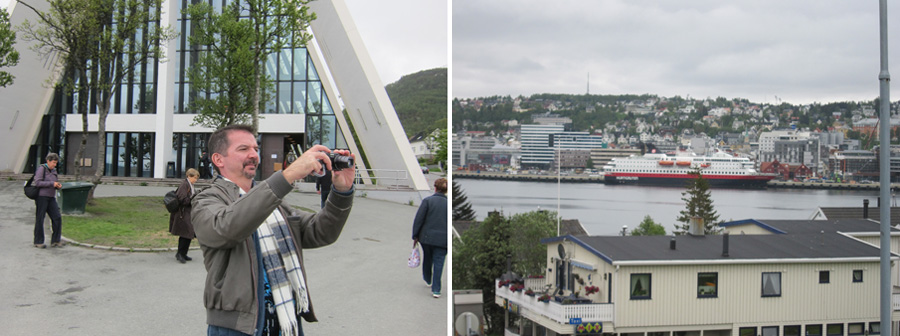
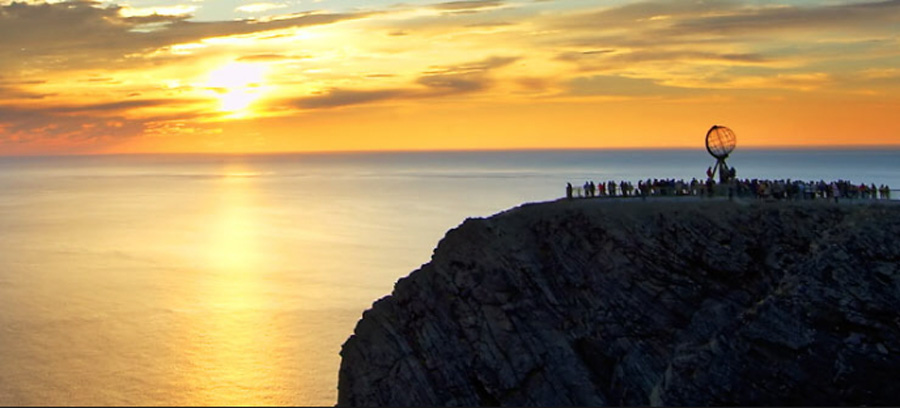
From the church we could see our ship across the fjord. We would soon be back on board, and from Tromsø we would stop at four more ports before arriving at Honningsvåg, where we would again leave the ship for a shore excursion to North Cape. I will pick up this adventure from that point in chapter 6. North Cape and the midnight sun.
|
|
||||
|